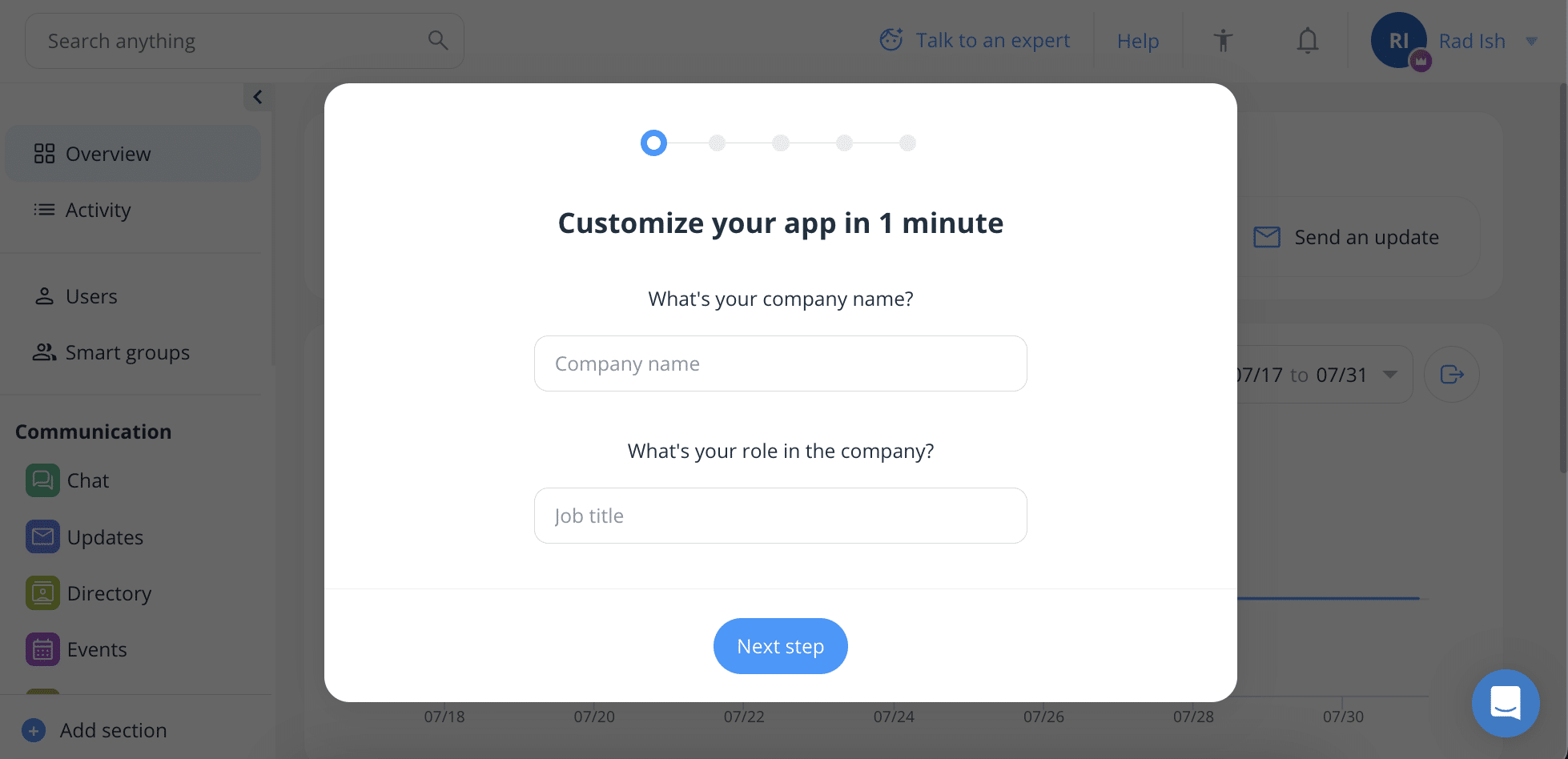
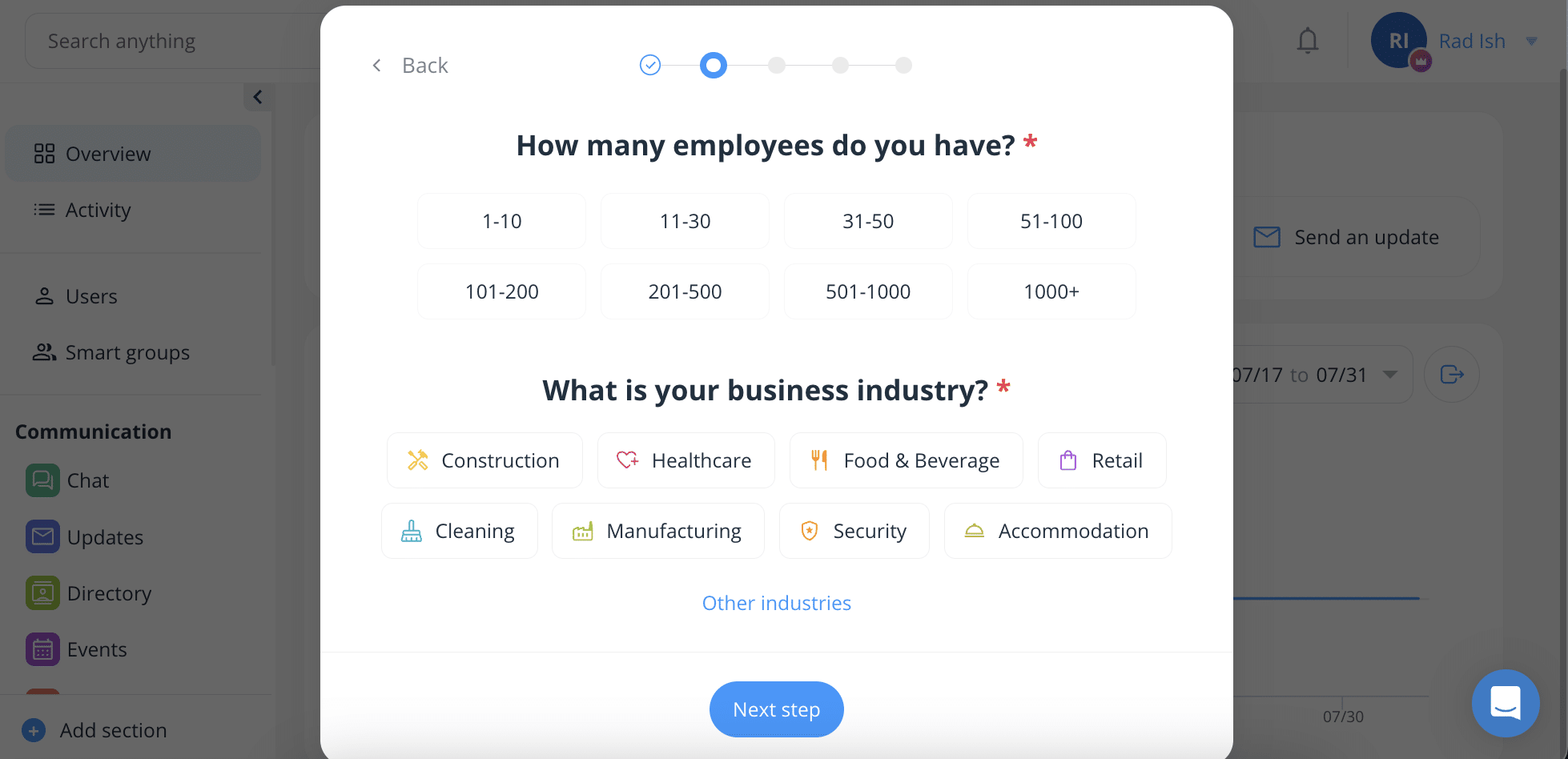
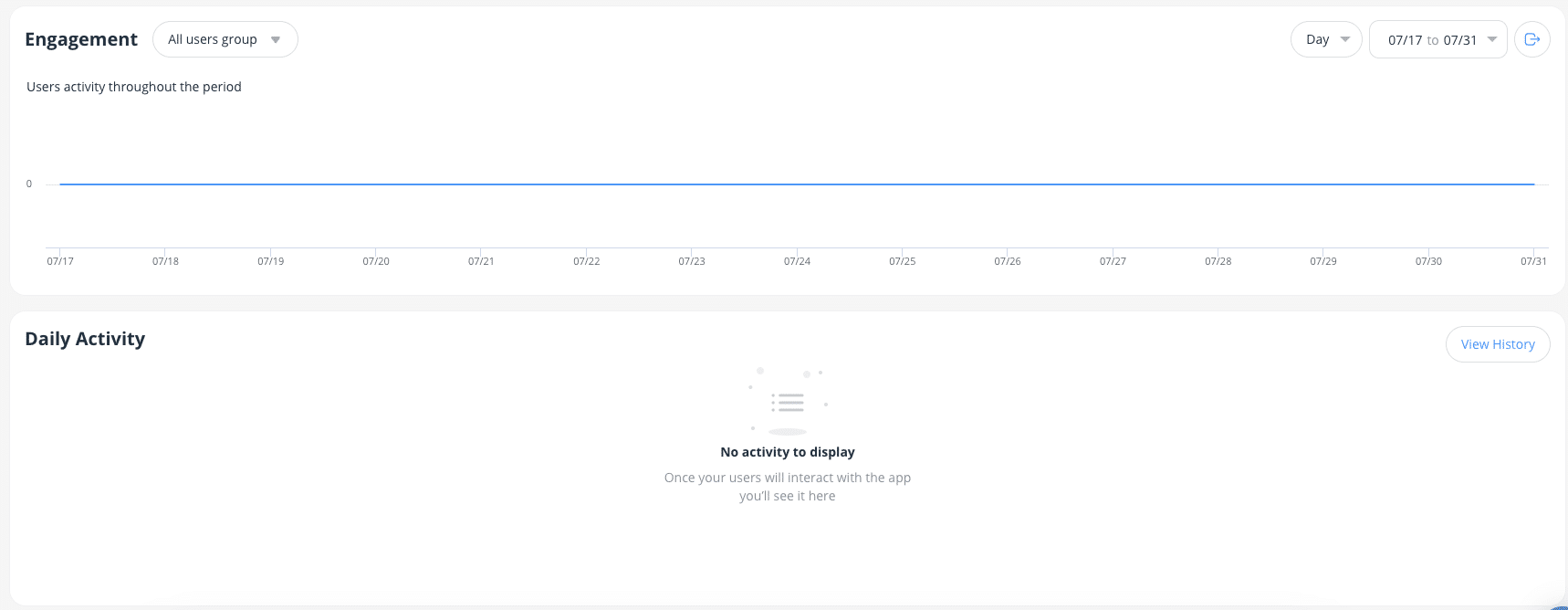
Creating a Connecteam account is free and doesn't require a credit card. A short 'Customize your app in 1 minute' wizard asks for your company name and role, then your team size and industry. Construction is one of the listed industries, a reminder that Connecteam is built for many trades at once.
Connecteam leans on its free tier hard during sign-up, and for a small team that pitch is genuine: up to 10 users get the full product at no cost. The catch we flag elsewhere is that the 10-user cap counts departed employees, so the free plan runs out sooner than the headline suggests.
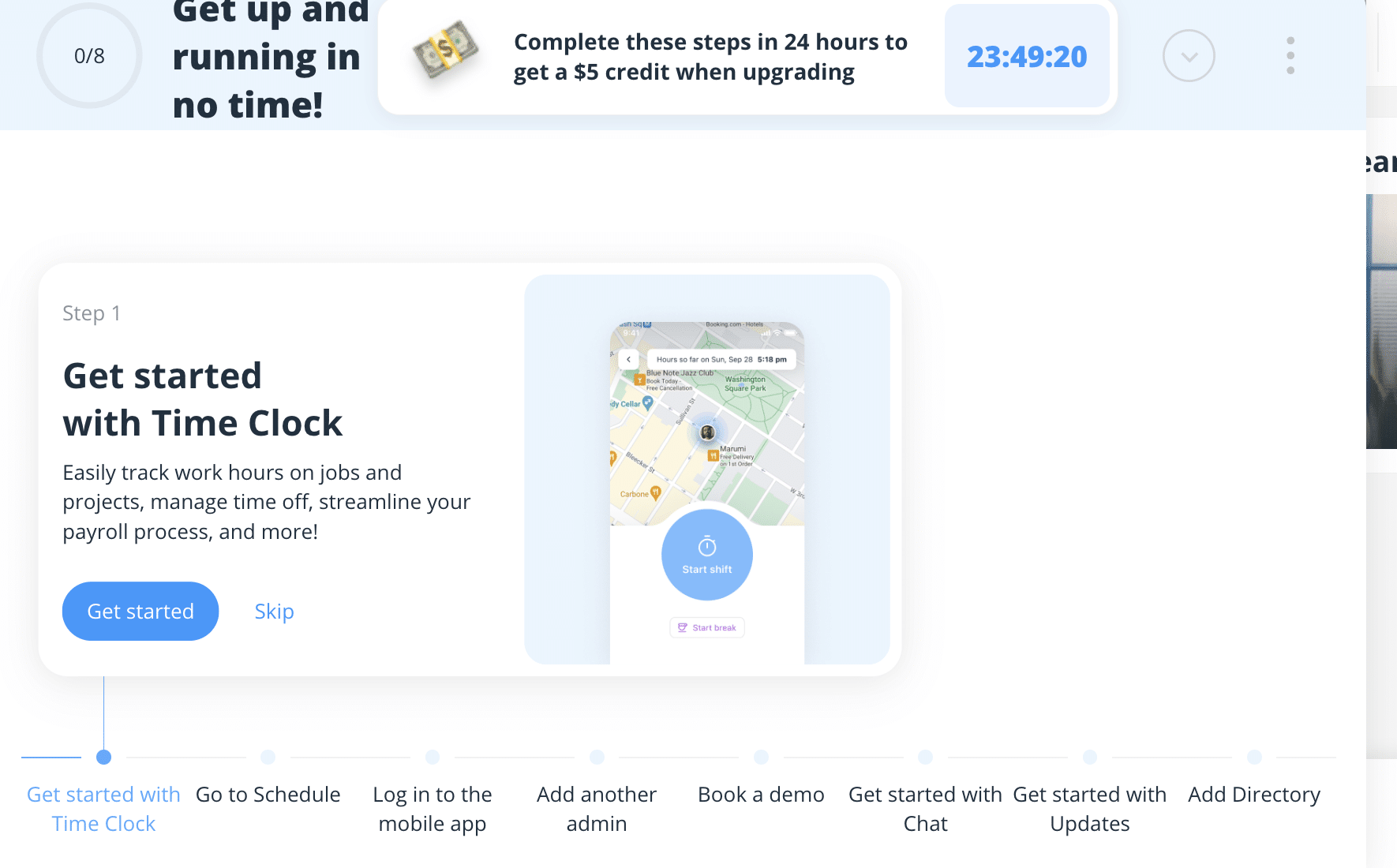
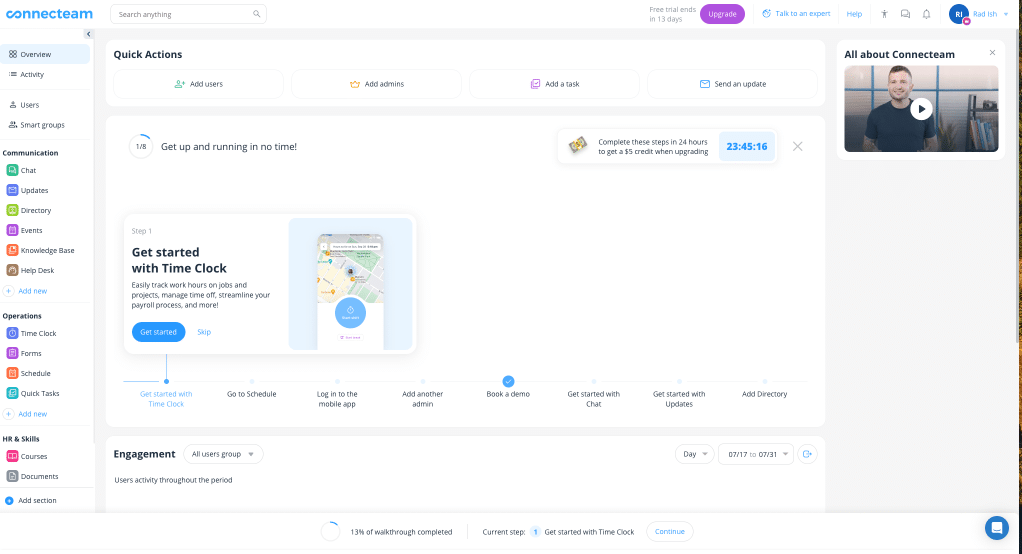
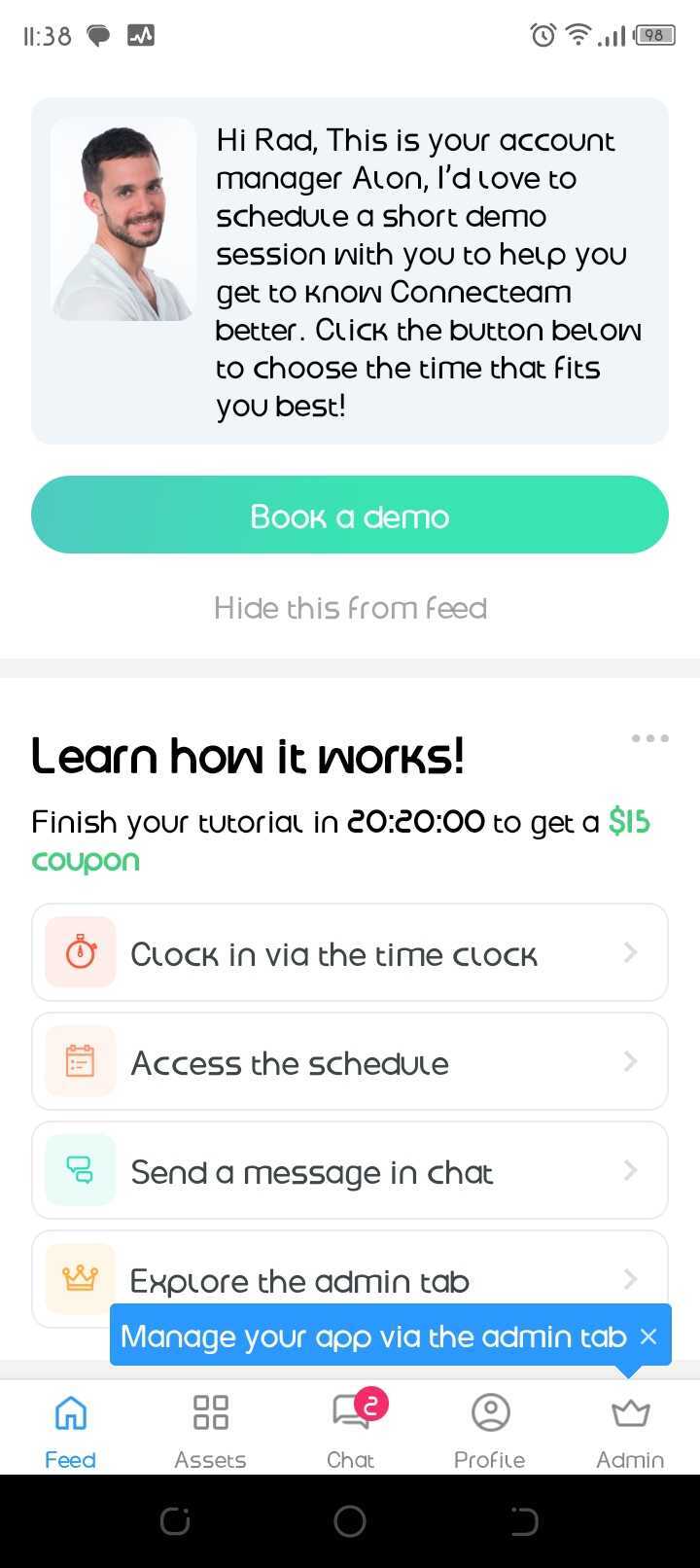
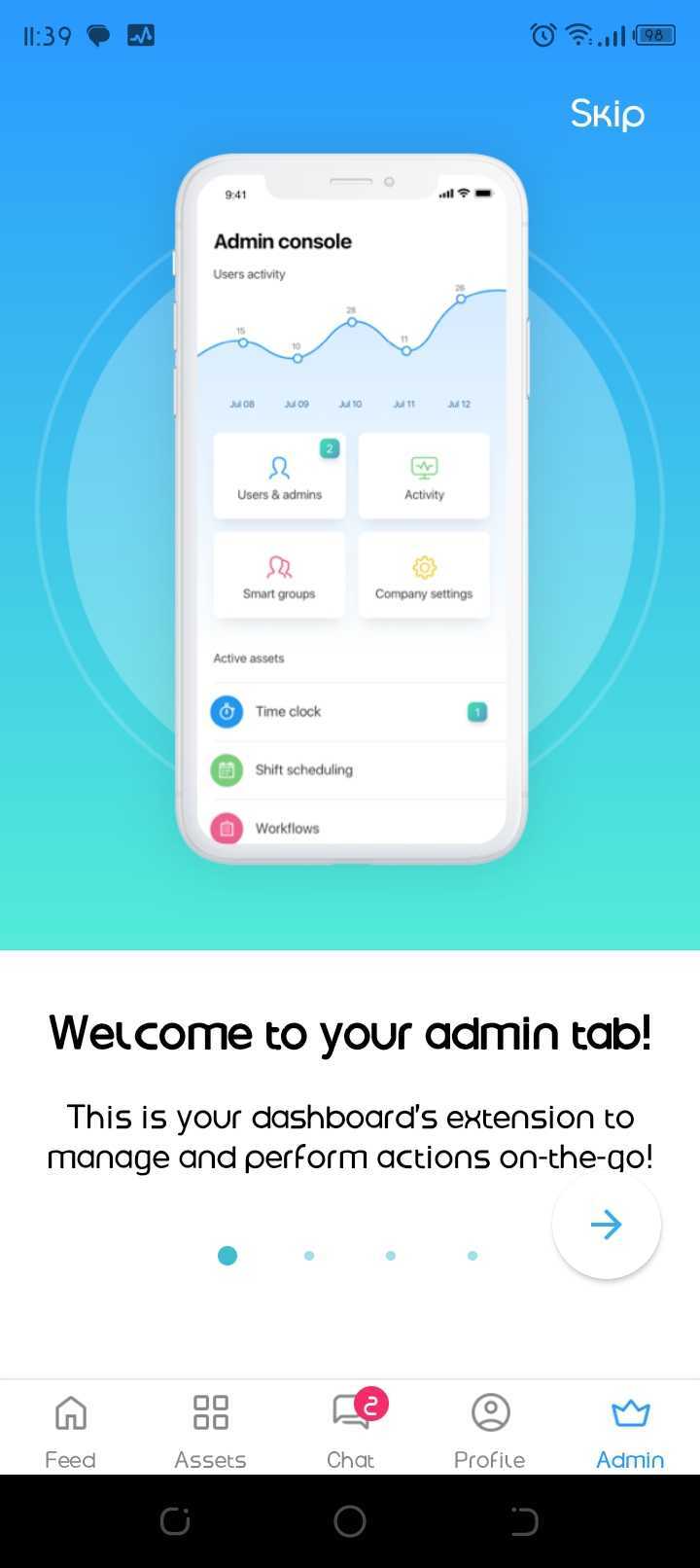
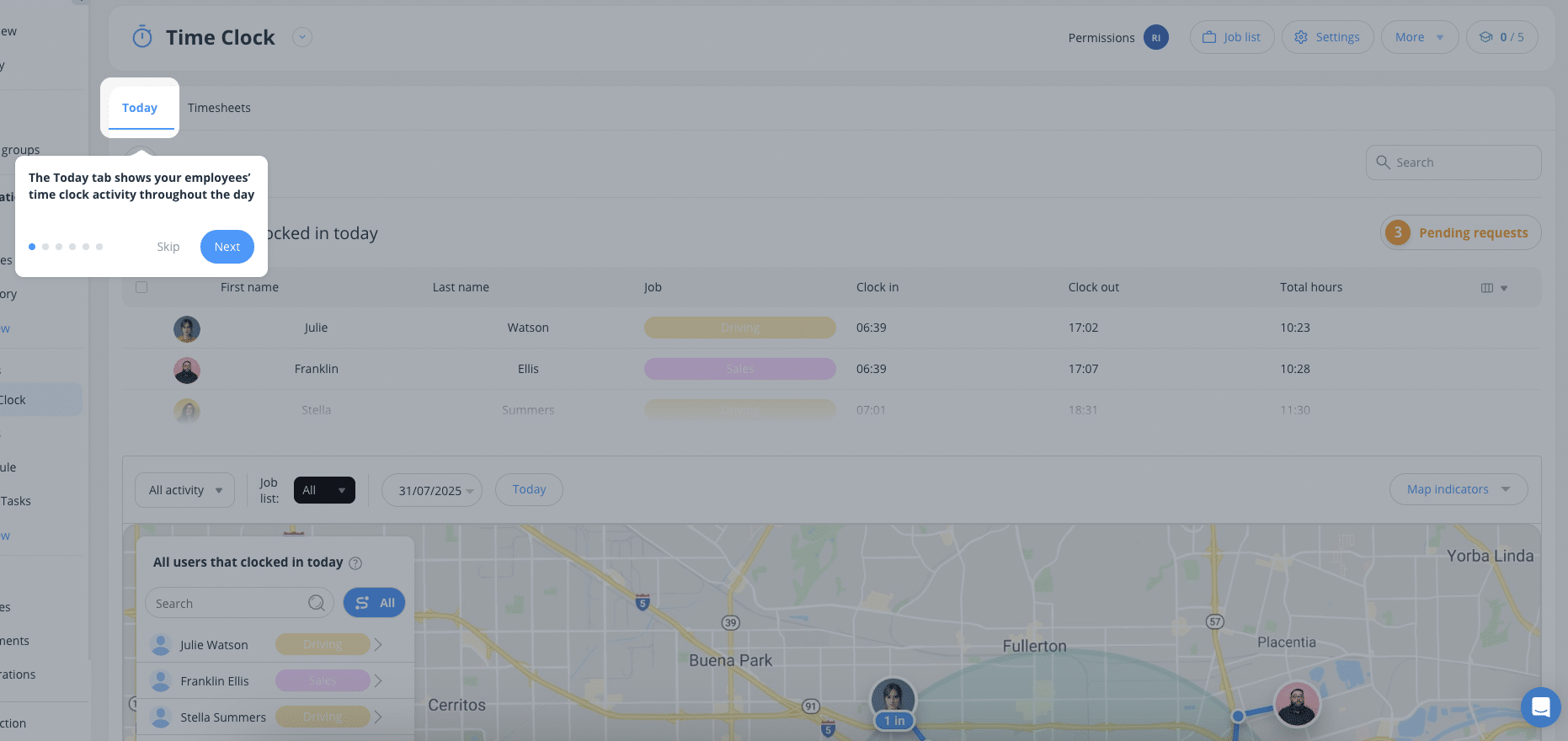
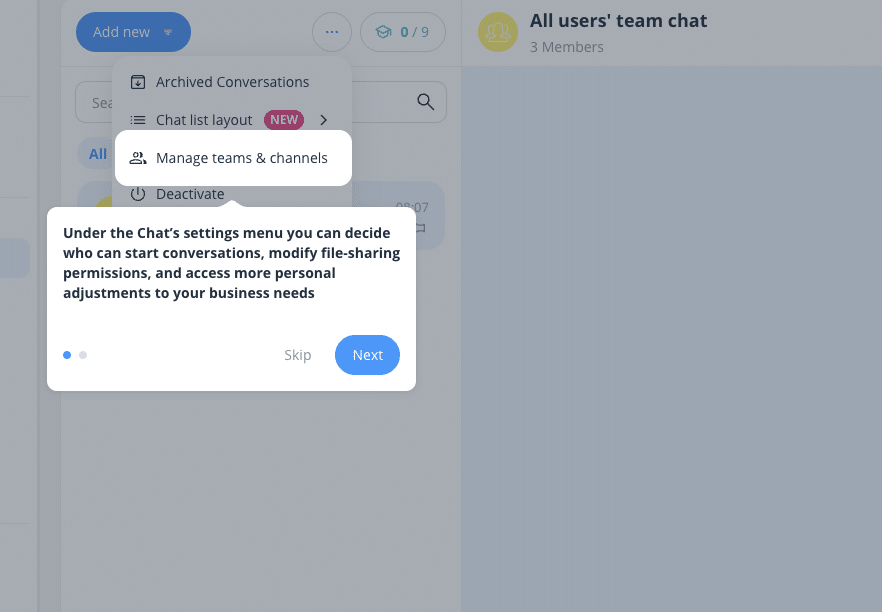
There's no forced tutorial. Instead you get an eight-step 'get up and running' checklist (set up the time clock, build a schedule, log in on mobile, add an admin, and so on) plus pop-up tips, with a $5 upgrade credit dangled for finishing in 24 hours. For a non-technical crew lead, that low-friction start is a real strength, and it came up again and again in our conversations.
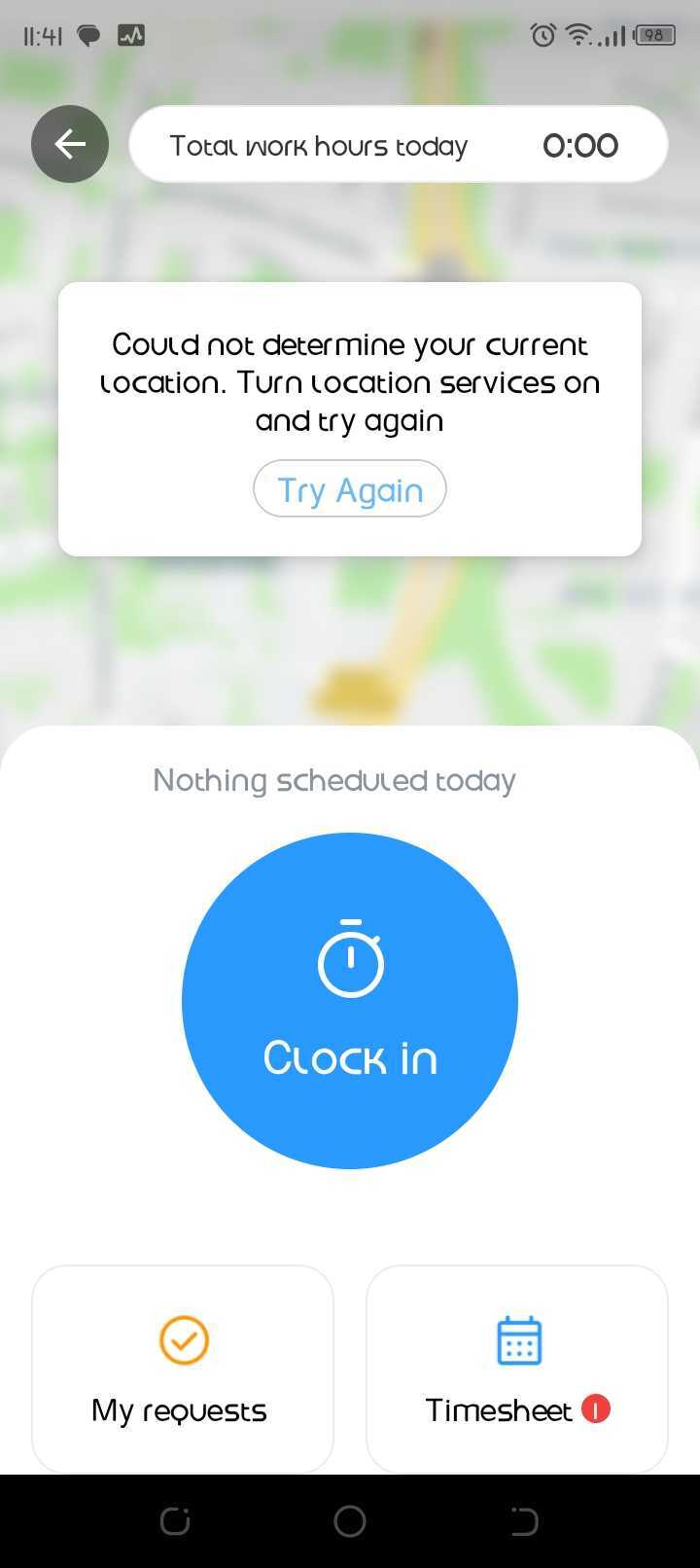
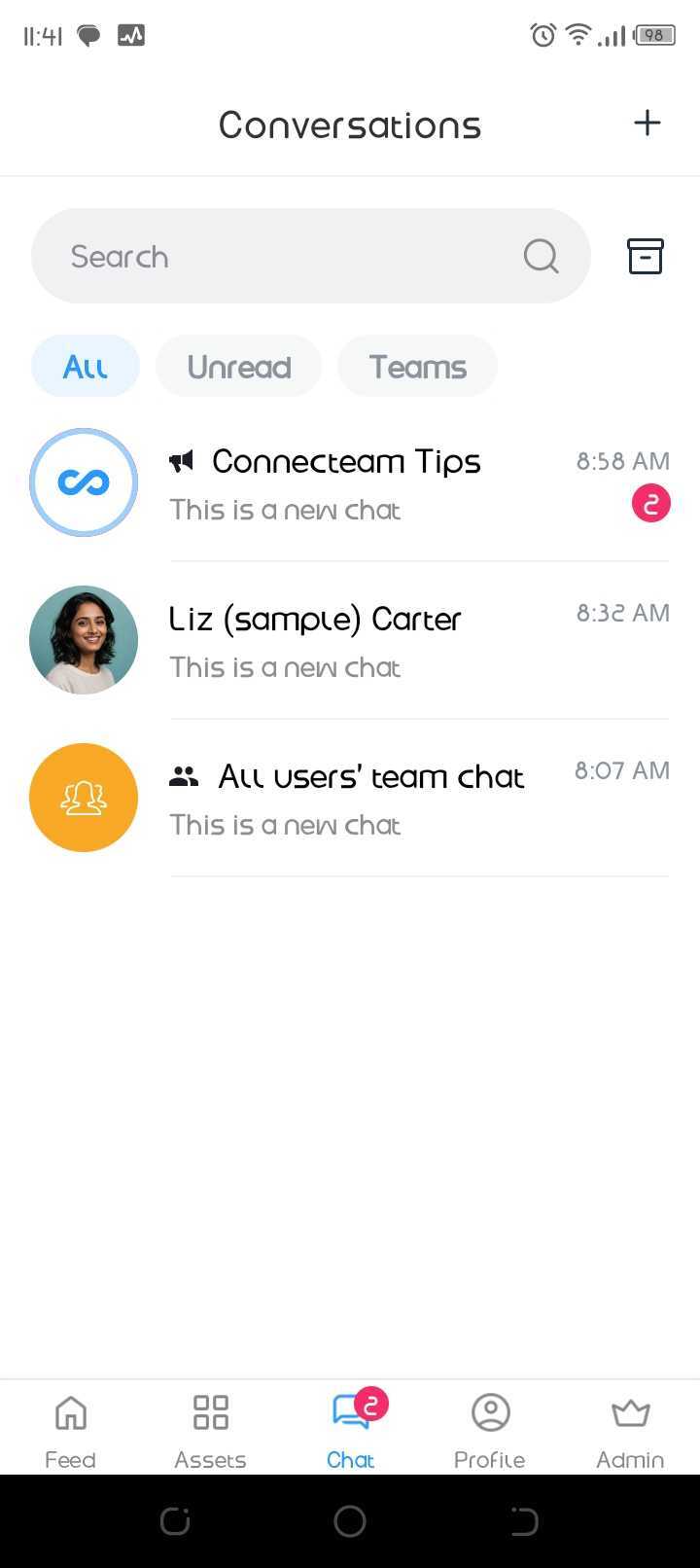
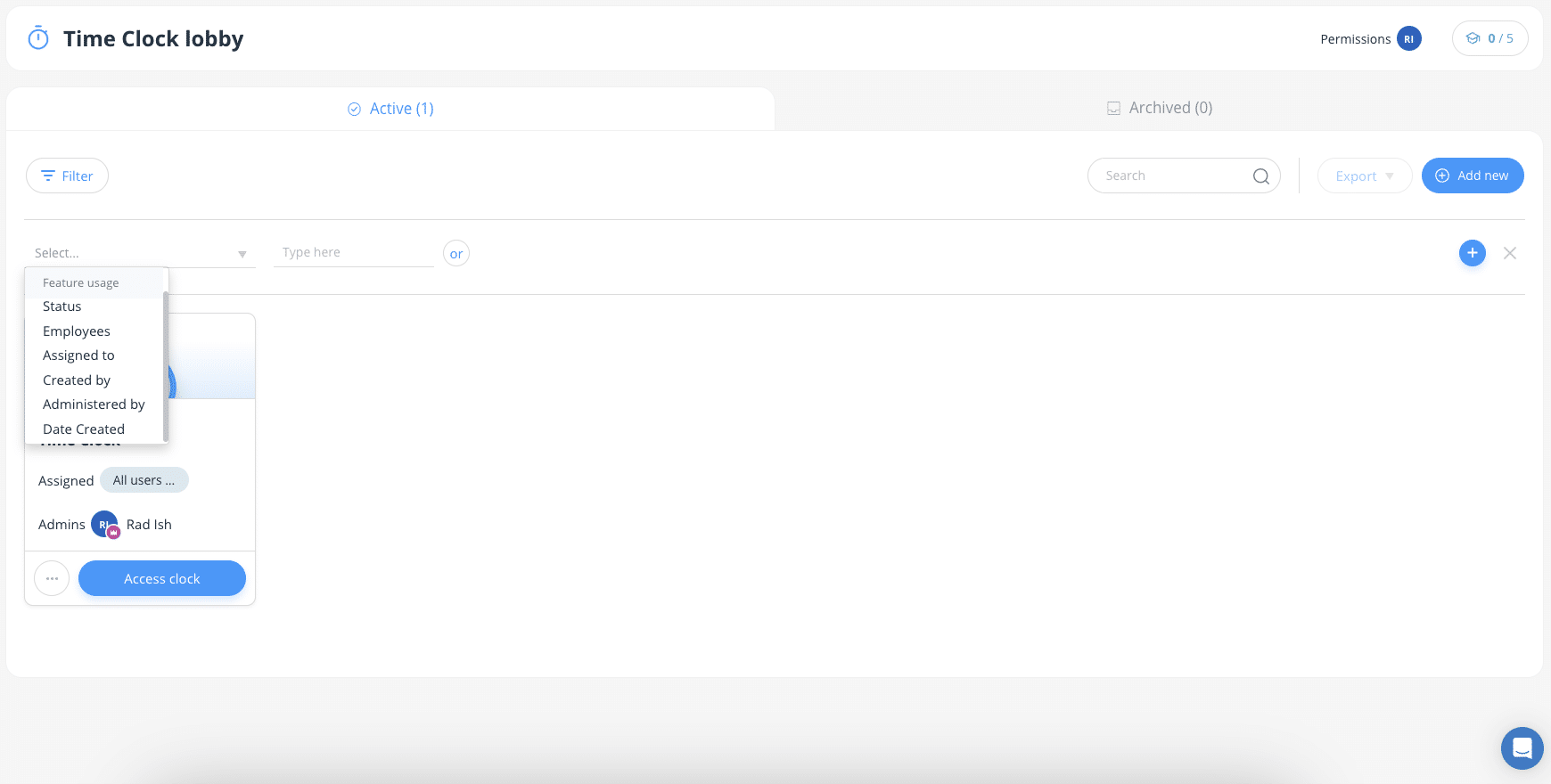
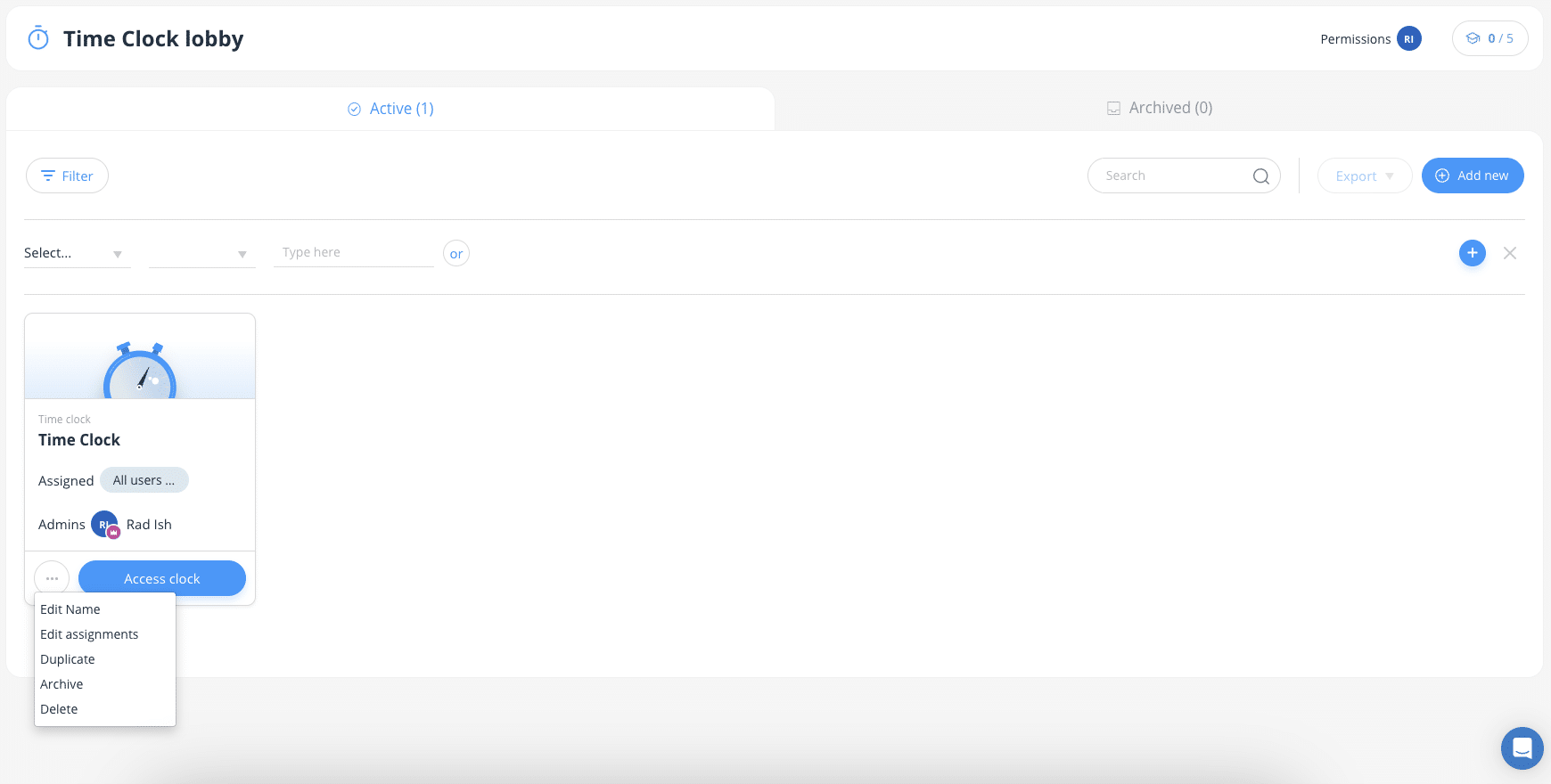
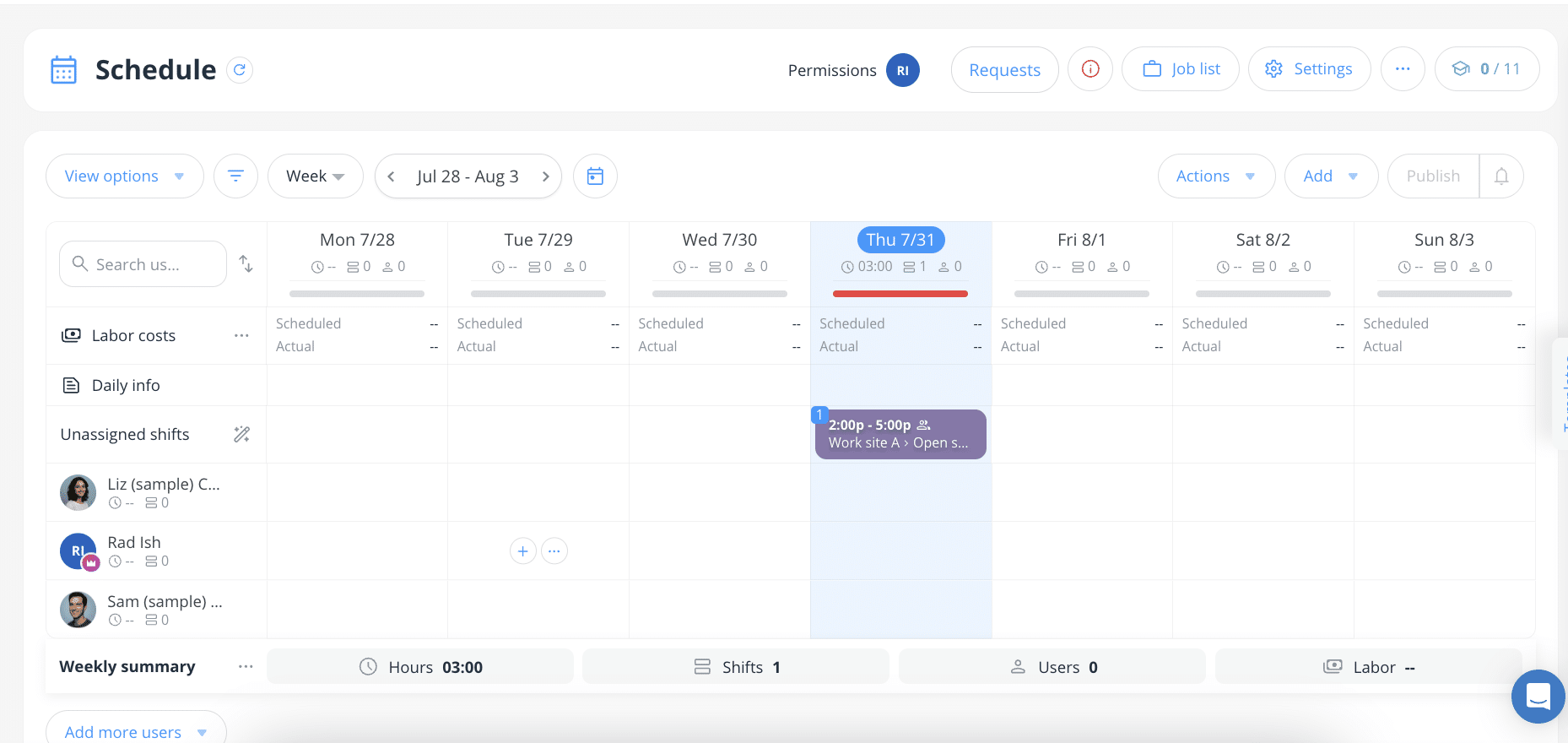
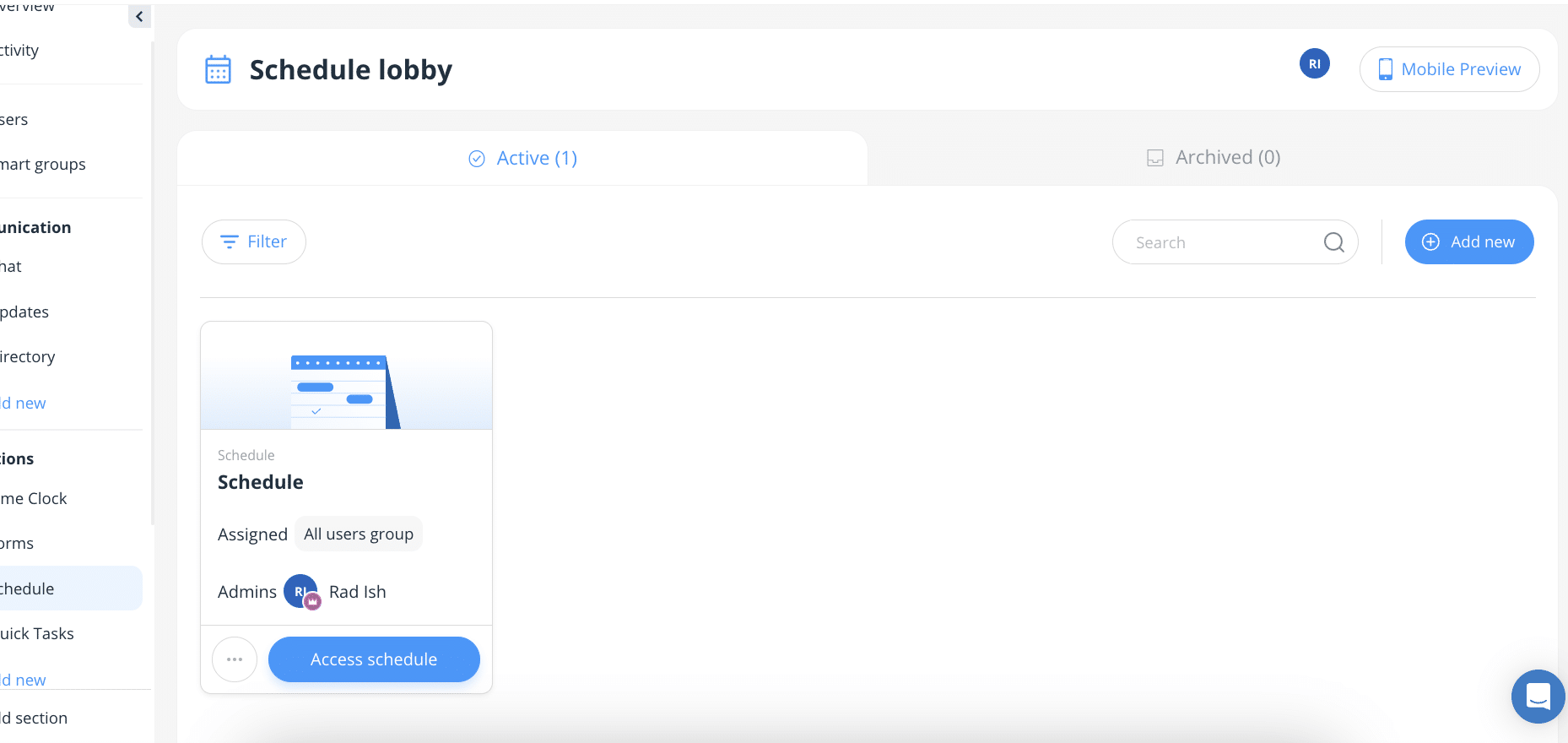
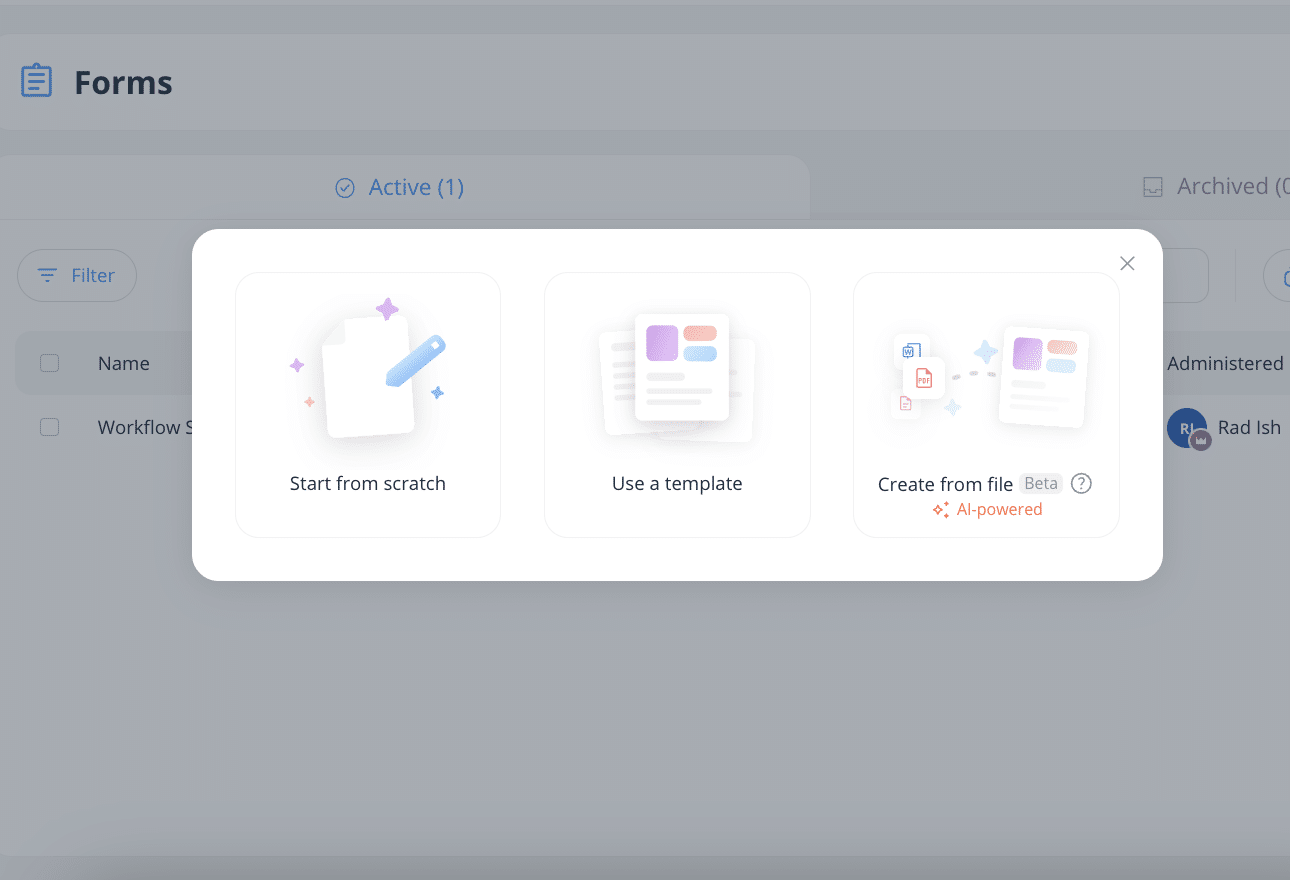
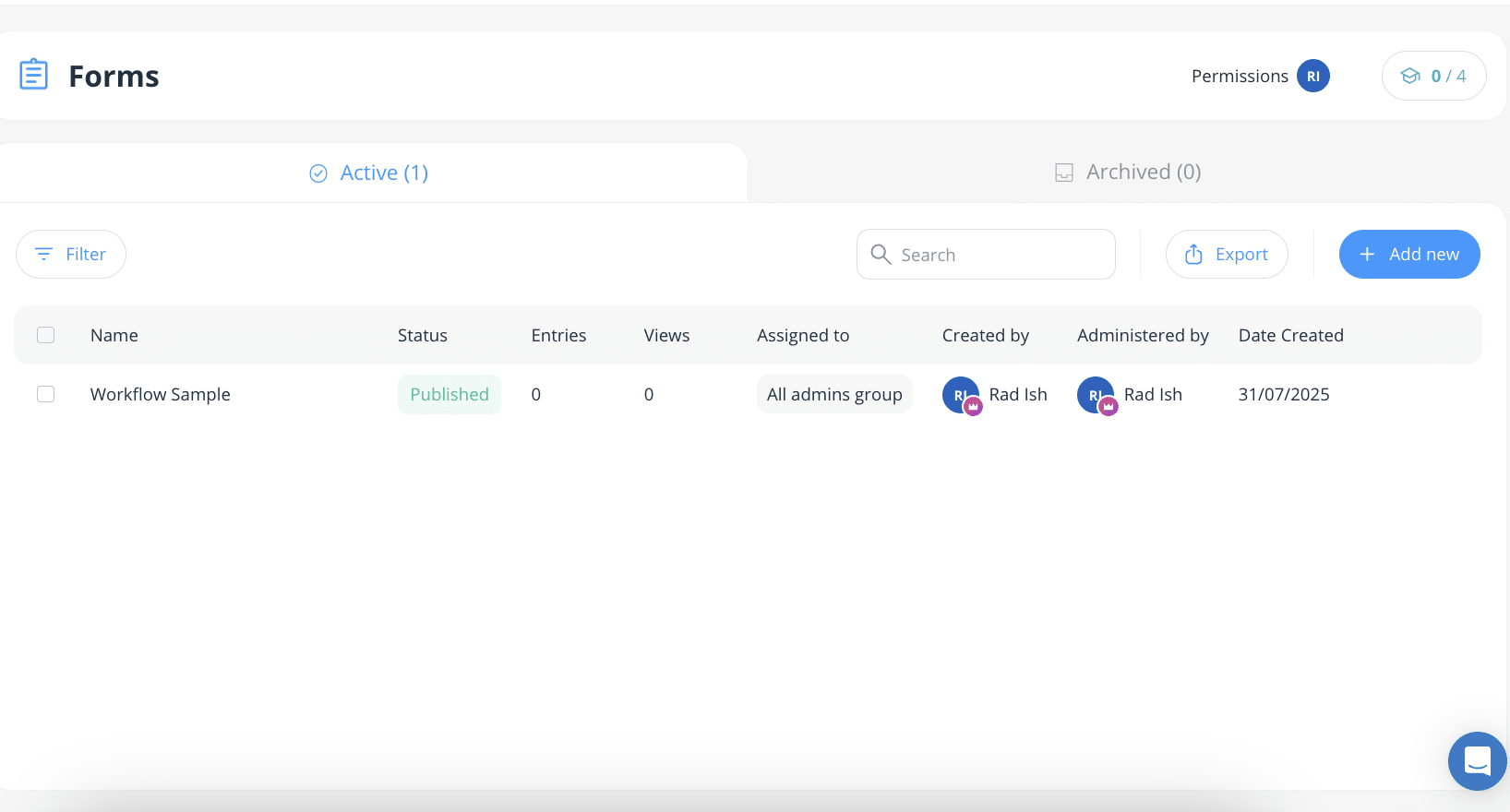
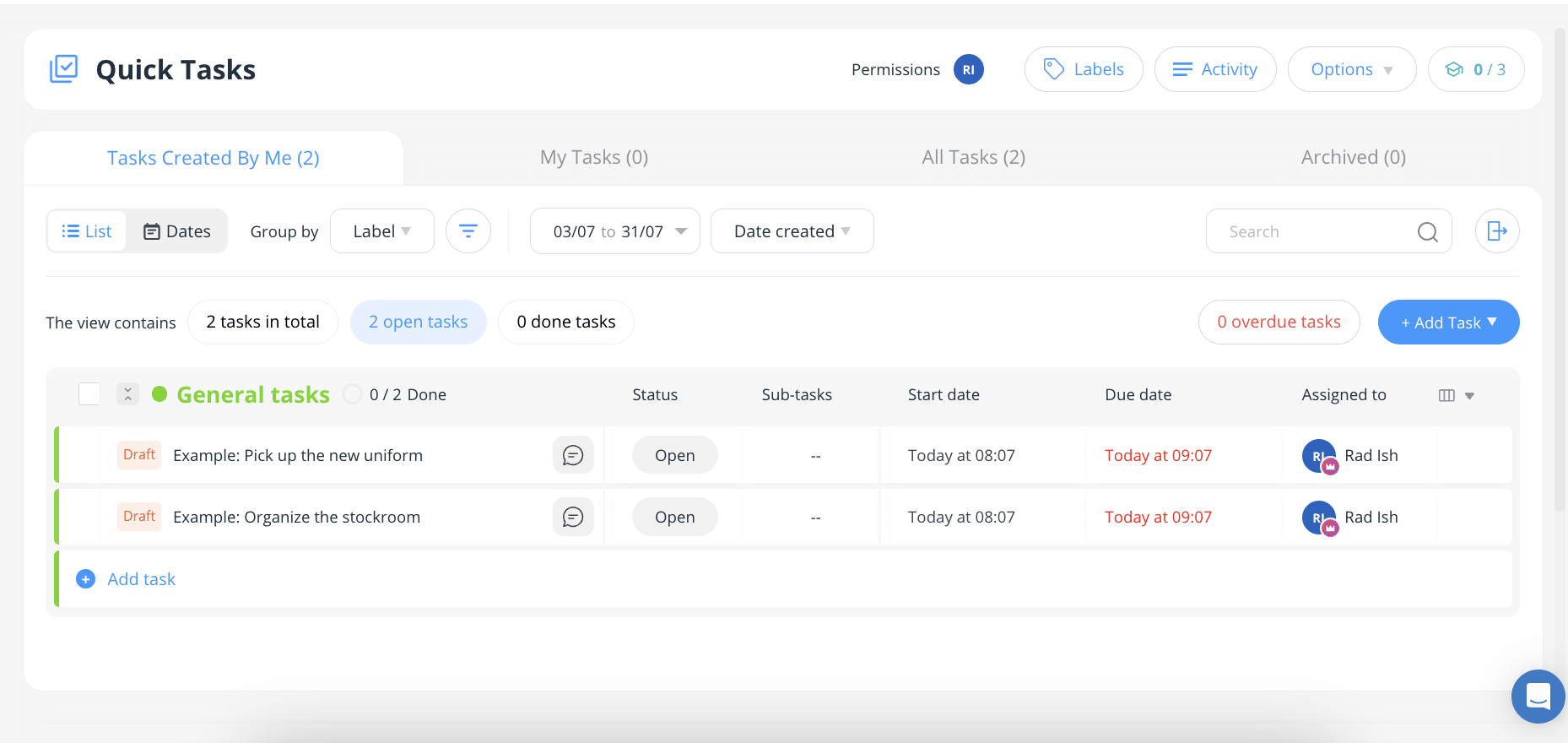
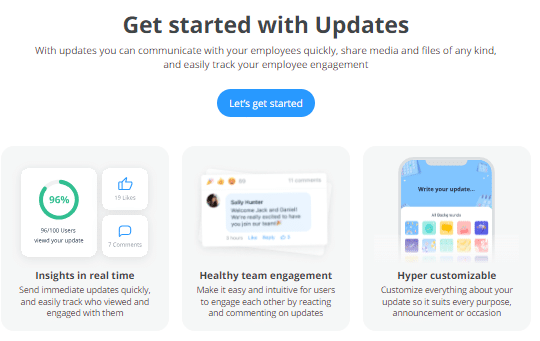
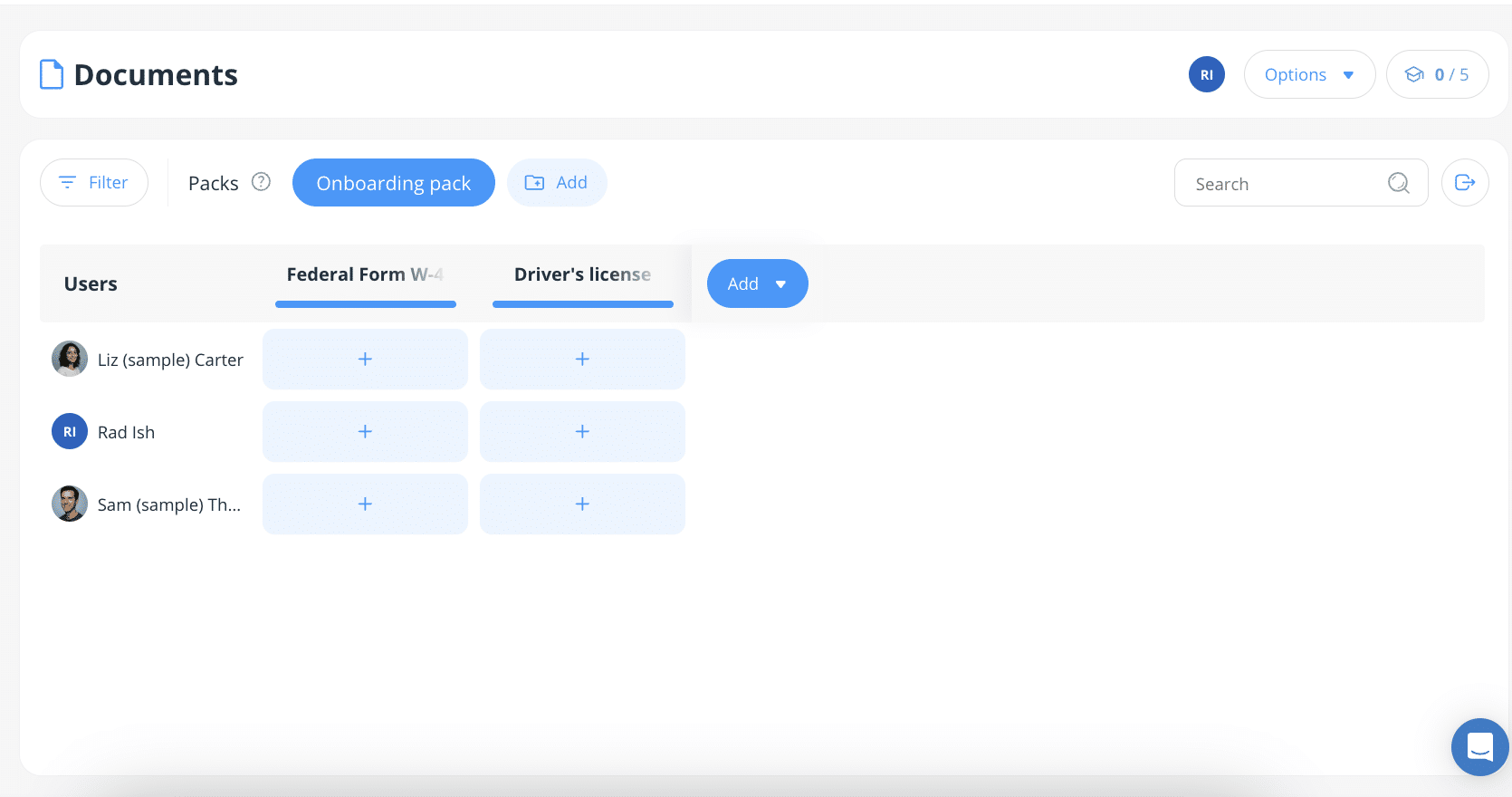
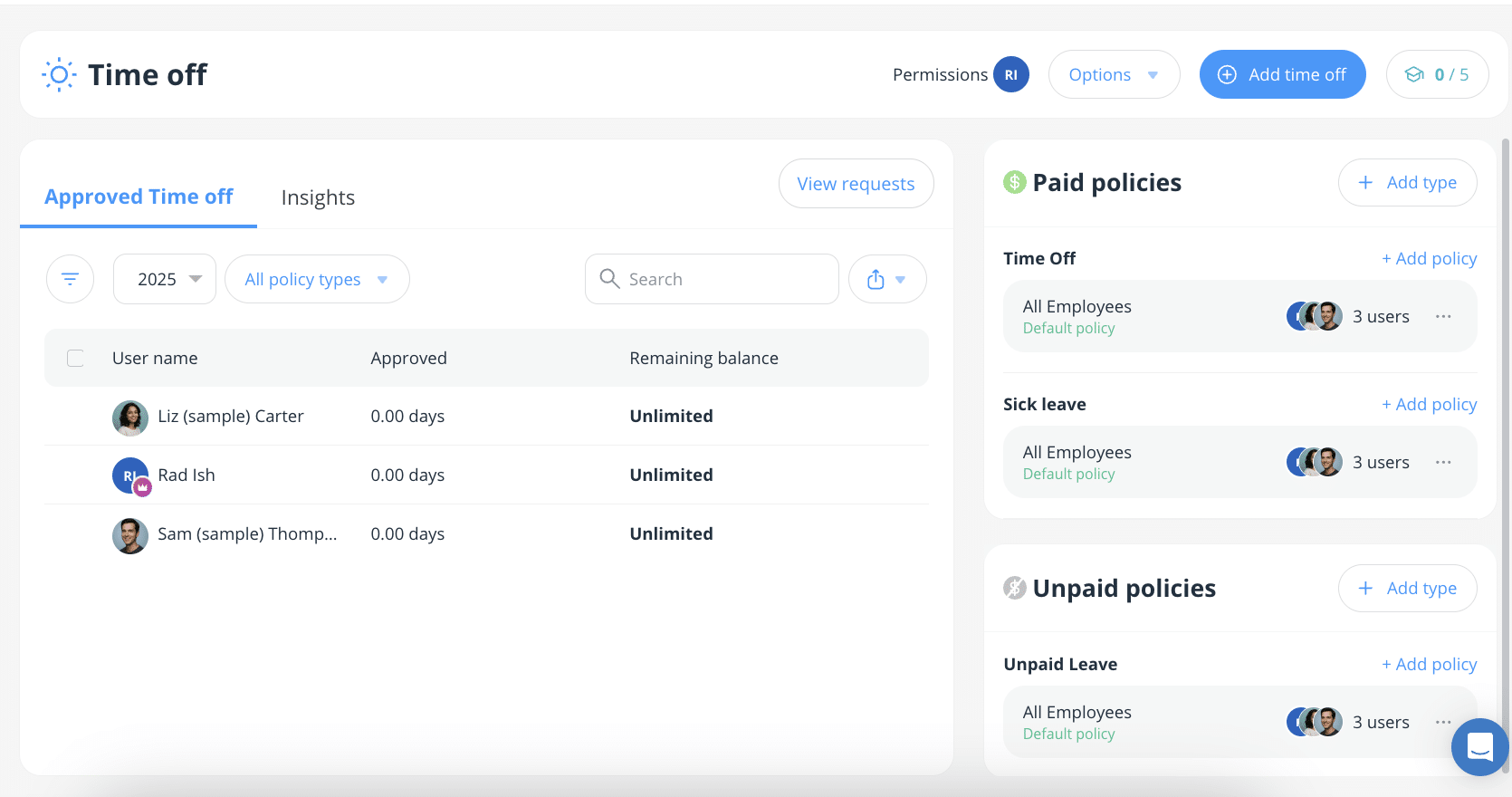
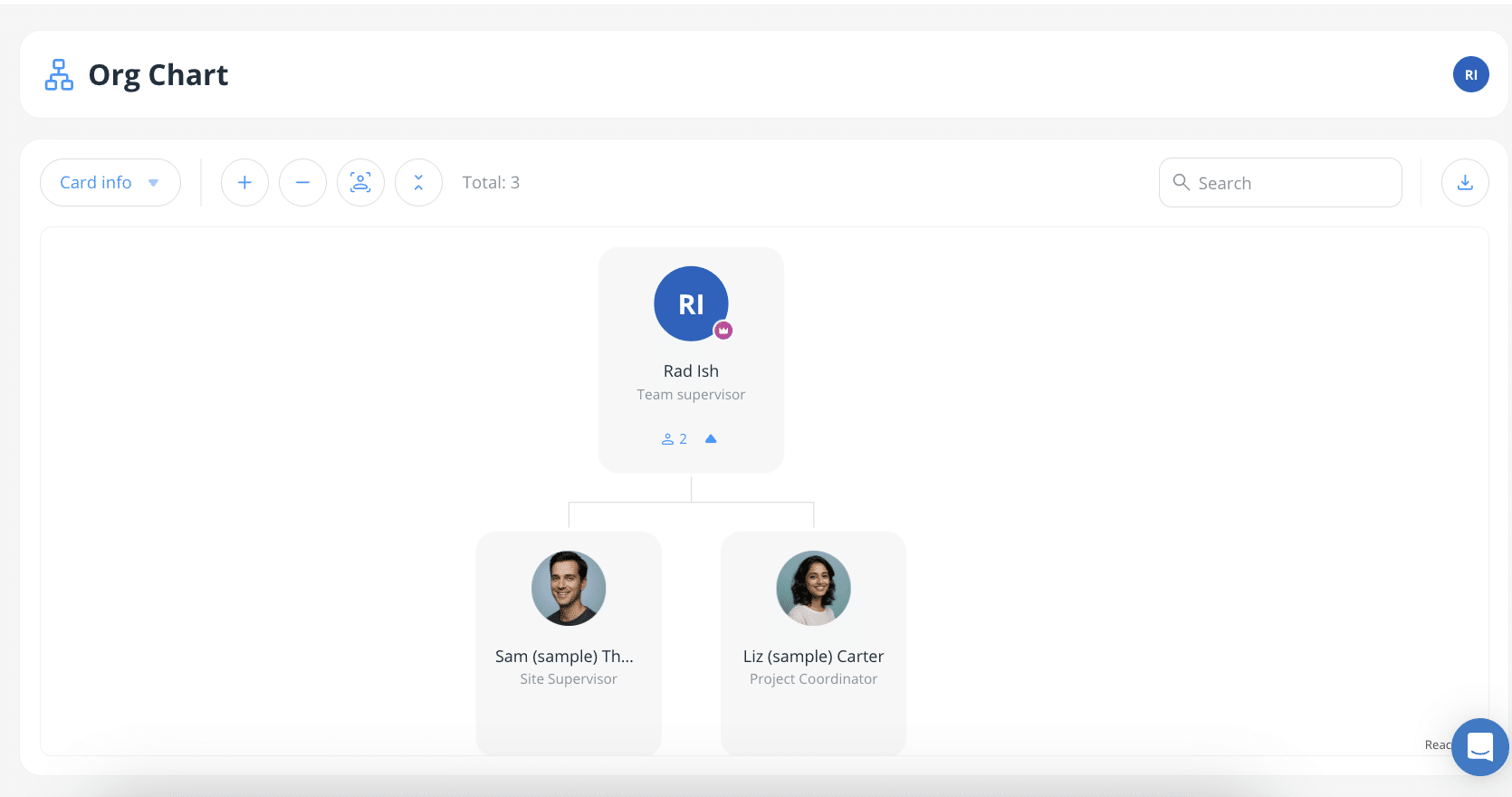
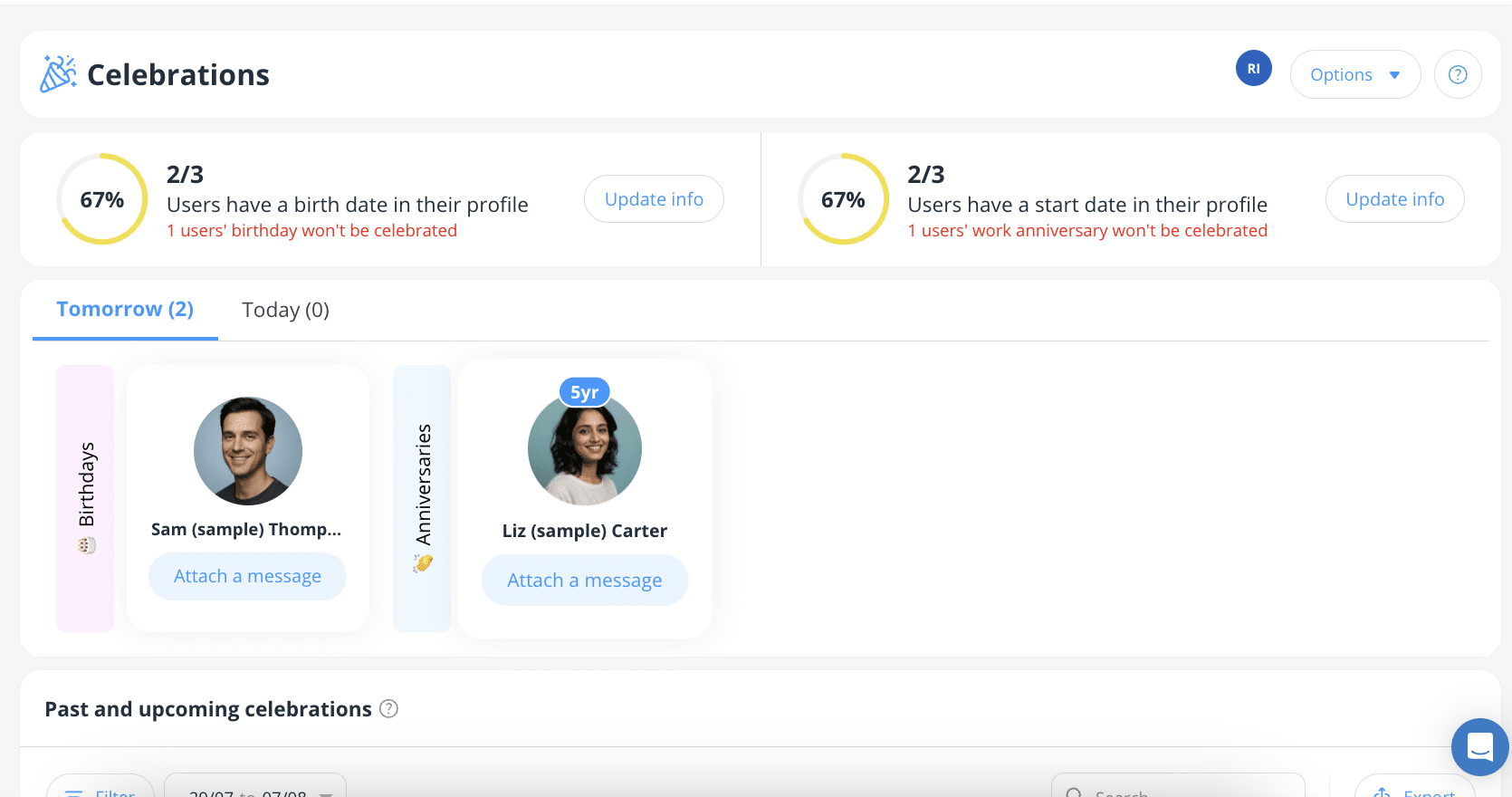
What the wizard does not do is configure your company. Nobody asked us to set up jobs, cost codes, payroll rules, or GPS policies before we were inside. You land on the dashboard and then choose which modules to switch on: Time Clock, Schedule, Forms, Quick Tasks, Chat, Updates, Documents, Time Off, and Courses. The checklist tracks whichever ones you picked, which is why its length varies. Because Connecteam does so many unrelated jobs, it is just as easy to switch on more than a crew will ever use.
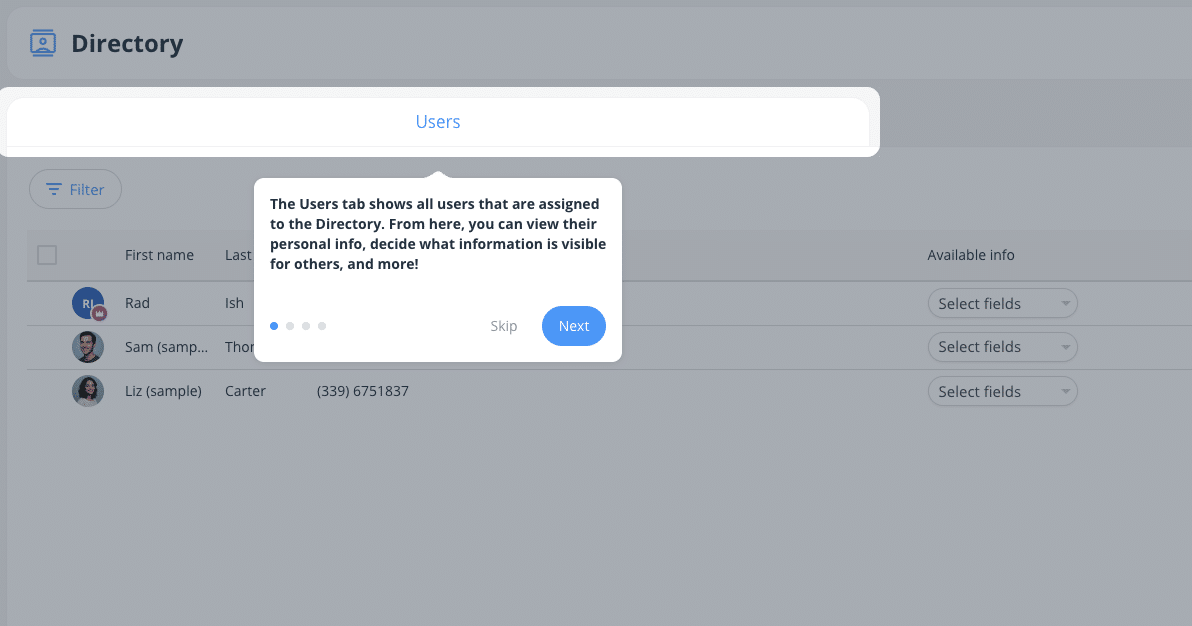
Smart Rules are the piece worth knowing about for a company hiring in batches. Policies, groups, managers, and user fields can assign themselves based on a worker's attributes, and scheduling rules can attach at invite time, so new hires with the same role or location inherit the right setup without cleanup. You can add people manually, by invite link, by QR code, or through an import or integration.
The honest read is that this is progressive setup rather than a ready-to-run product. We were inside in minutes. Getting real payroll, scheduling, geofencing, reporting, and permission structure working was our own configuration work.