$123Ksaved with Workyard’s Smart Forms
"Smart Forms pays for itself through accurate invoicing, insurance savings, and keeping our business moving every single day."
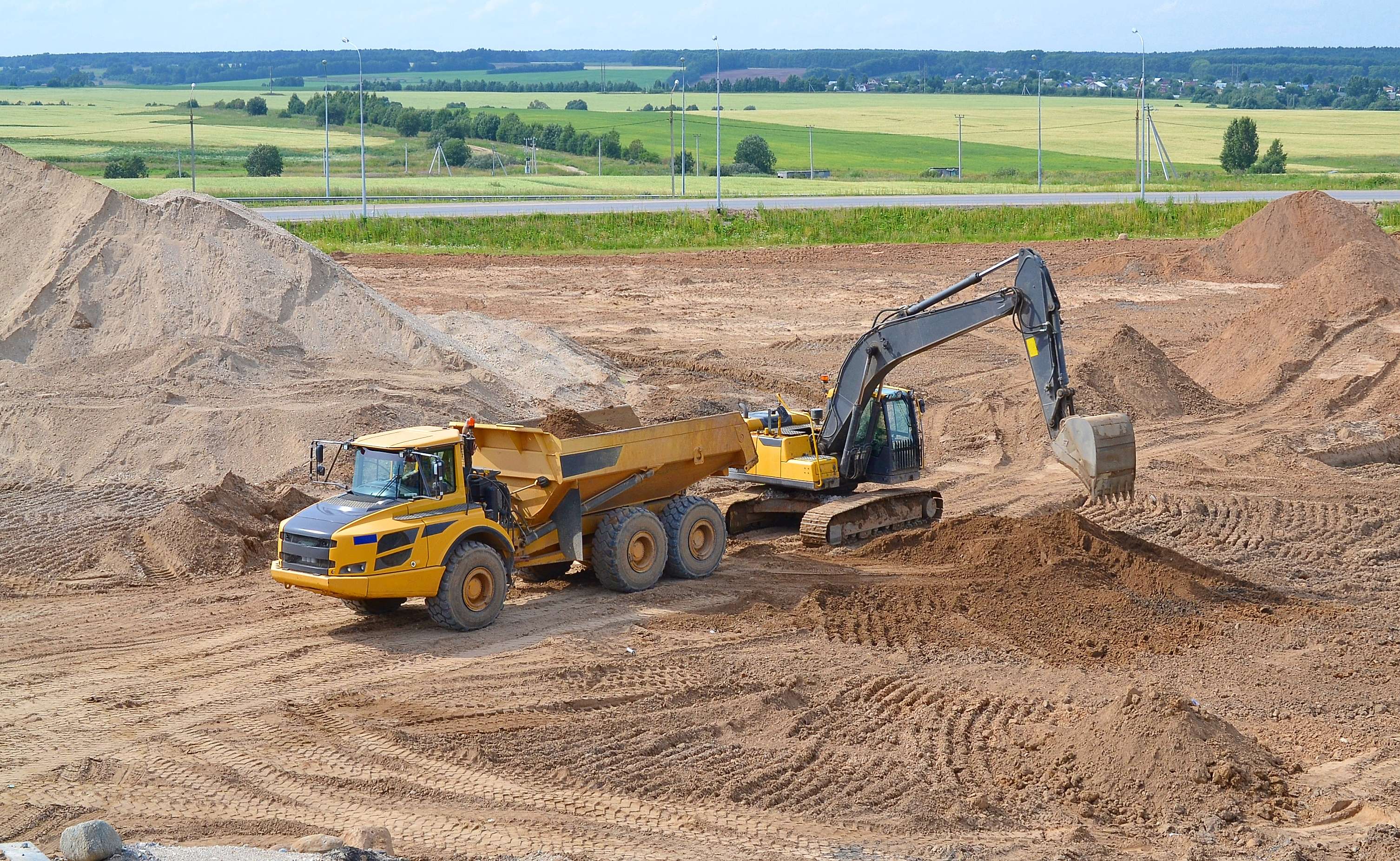
For excavation, paving and underground contractors: every crew and machine hour lands on the right job and cost code, padded time comes off payroll, and the foreman's daily fills in from the time cards.
$123Ksaved with Workyard’s Smart Forms
"Smart Forms pays for itself through accurate invoicing, insurance savings, and keeping our business moving every single day."
"Moving our repair requests to digital forms with Workyard made a huge difference. Before, issues would get lost in the shuffle, and it could take too long to get equipment fixed. Now, as soon as a problem is reported, we get notified immediately, and our mechanics can take care of it right away."
Brittany Konitzer, Office ManagerFalcon Drilling & Blasting

“If I had to put a dollar value to it, you're probably looking, let's say, 15 to 17% that we've cut down on overall cost.”
CEOCivil contractor, 50+ workers

“You can go from paying out 5,000 hours over a month to 4,300 and still get the same amount of work done.”
Director of OperationsCivil contractor, 11–50 workers

“We freed up two full days of a team of 4 in a week, because our payroll's done every week.”
Operations ManagerCivil contractor, 50+ workers

“…the GPS is really on point. For us, it works out great for me to be able to figure out where people are and where they're spending their time.”
Civil contractor, 50+ workers

The payoff
Money
10–18%
off payroll
Rounded times, buddy punches, forgotten clock-outs: eliminated.
Time
30 mins
to prep payroll, not 12 hours
The typical drop for customers.
Job costs
5–25%
unassigned hours before Workyard
GPS and agents put each hour on the job it was worked.

A DOT citation for missing paperwork sent TR3's premiums soaring. Now the truck inspection opens when drivers clock in, mechanics hear about a problem the moment it's reported, and every check on its dump trucks and hook trucks is on record.

Workyard is not another everything-suite. It runs the crew side of the business, deeply, and connects to the rest.
For payroll, accounting and ERP: QuickBooks, Sage, Foundation, Spectrum and 17 more, so hours land in the systems that pay and cost them.








Other tools wait for someone to do the work. Workyard’s agents check every timecard and flag only what needs you. That’s the whole job.
From quick answers to hours of work, handled
Time tracking that runs itself
Reports you need, without the spreadsheet work
Works your way
Site crews spend the day on one job, switching machines and cost codes. Drivers run yard to pit to site. Workyard fits both.
Job day

Road day
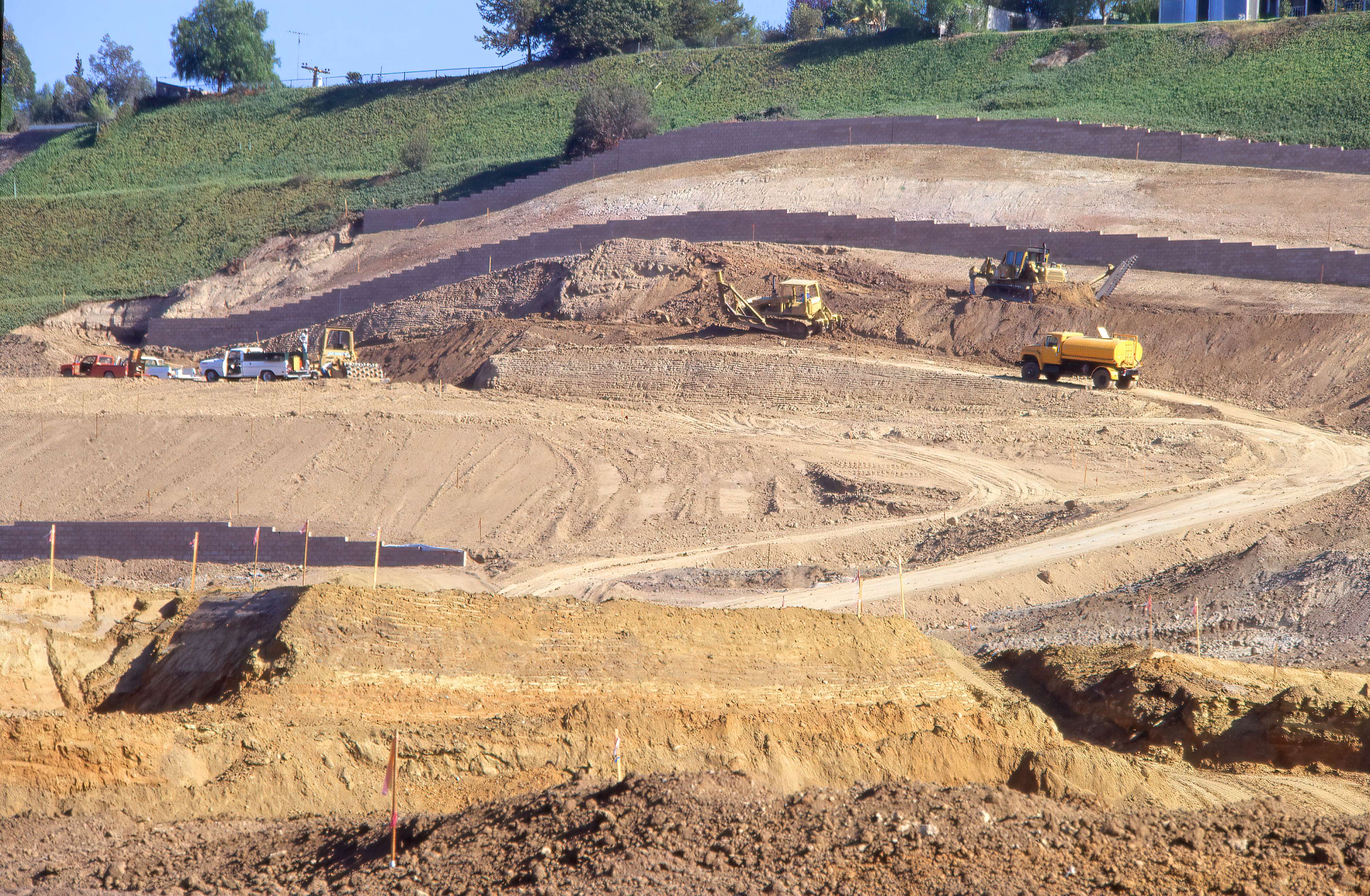
Built for the way civil runs
What civil contractors ask us for more than other trades do, built in.
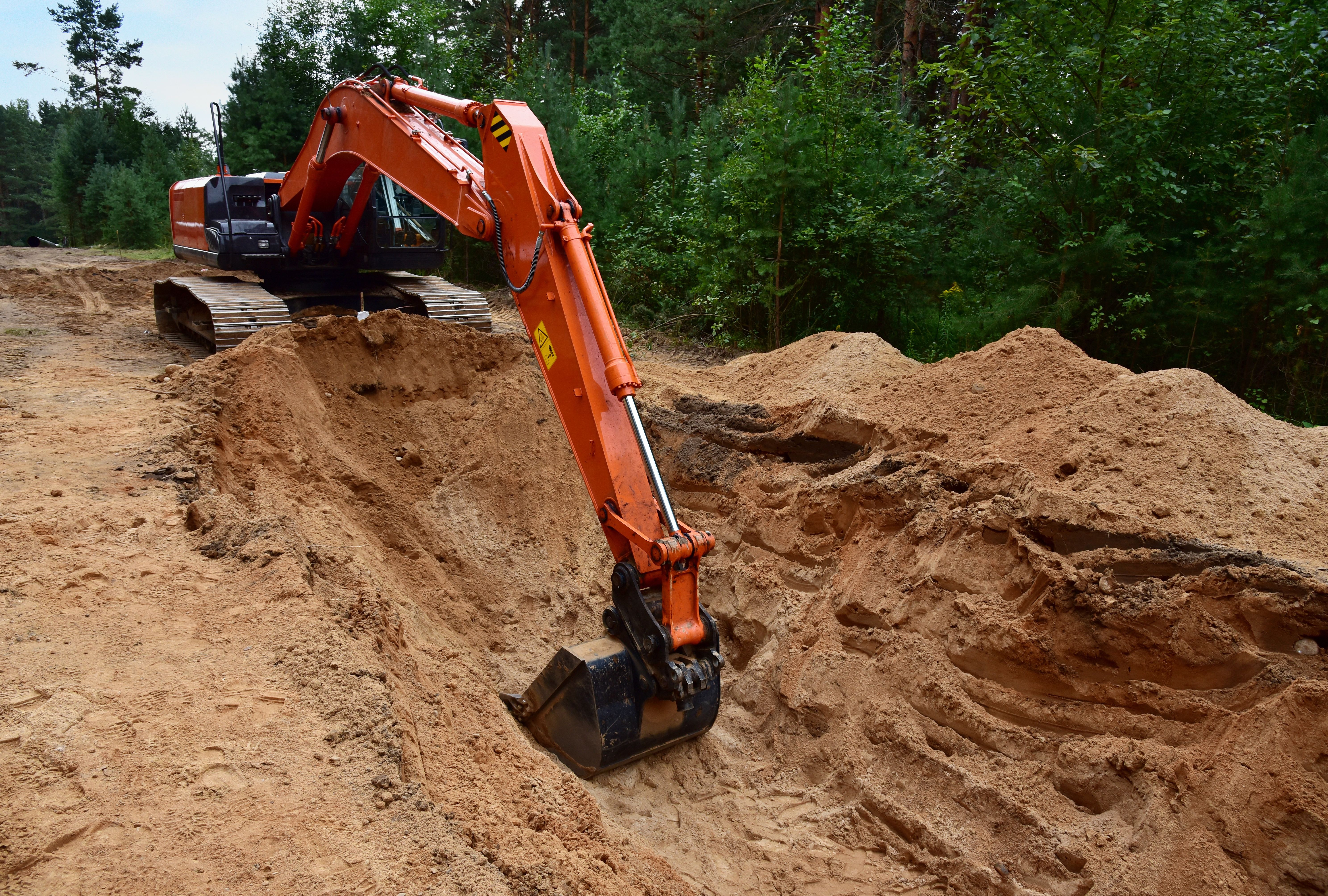
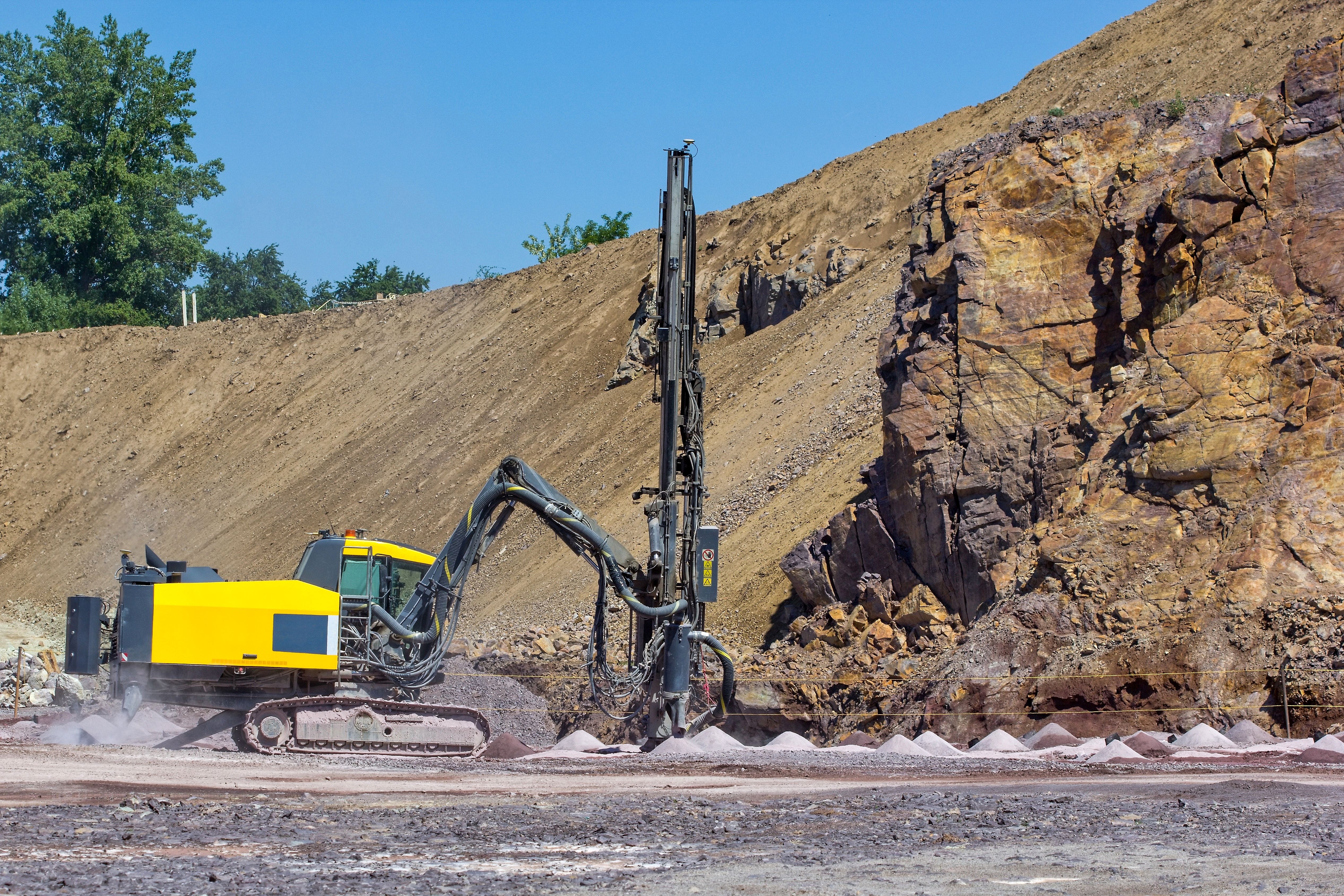
Operators tag the excavator or the skid steer at clock-in, or when they get on it, and its hours land on the same job and cost code as their labor, priced at the machine’s rate. Machine time can’t run past the job time, and a machine someone else is running can’t be picked.
The pre-trip opens when drivers clock in, and nobody else gets it. Mark an answer like a failed brake check as unexpected and it goes to your mechanic the moment it’s submitted, photos and all. Every inspection is signed, dated and ready when the insurer asks.
The crew, their hours, overtime and cost codes fill in from the time cards. The foreman adds what got done, the quantities, the delays and the photos on your own daily, built from a photo of your paper one, due at clock-out so it actually comes in.
Customer stories
Thousands already do, every day.
GPS and AI drive the capture and correction, so they don't have to.
Works offline. Works in Spanish. Prevents buddy punching. Detects and corrects mistakes.
Location is only shared while on the clock, never after hours. You choose the level of tracking that fits your crew.
"I love this app. It makes it so easy for me to clock in and clock out and it tracks my mileage for my work and everything. I would recommend it, great way to keep up with everything."
"By far the best app I've ever used for work. Most consistent and accurate. Haven't had any difficulties at all. I will never use another app for clocking my hours at work."
"This app is extremely easy for my construction staff to use. It creates reports for me that show different costs by projects and honestly just saves me time and headaches."
You're wondering…
Direct connections to QuickBooks Online and Desktop, Foundation, Spectrum, Sage 100 Contractor, Sage Intacct, Acumatica, ADP Workforce Now, RUN Powered by ADP, Gusto and NetSuite. Files built for Paychex Flex, Sage 50, Sage 300 CRE, Rippling and more, plus a custom export and a developer API.
Yes. Operators tag the machine at clock-in or when they get on it, and its hours land on the job beside their labor, priced at the rate you set for it. Make tagging required, optional or off crew by crew, and two operators can’t log the same machine. It isn’t a GPS tracker: if you run telematics, it sits beside Workyard.
Yes. The crew, their start and end times, hours, overtime, breaks and cost codes fill in from their time cards and stay in step with them. The foreman adds what got done, the quantities, the delays, the photos and a signature, on your own form. An admin can correct a submitted report, and every change is logged with who made it and when.
A specialist sets up your jobs, cost codes, geofences and pay rules with you, imported from your accounting where we can, and runs the first payroll sync with you watching. Crews download the app and clock in on their own phones; anyone without one clocks in at a kiosk or with the foreman.
No. Crews clock in on their own phones or company ones, the foreman can clock in the whole crew, or a kiosk on a tablet takes a PIN and a face photo.
Yes. Each stretch of the day carries its own job, cost code and machine, picked at clock-in or switched as the work changes, and Automatic mode moves their time to each job they arrive at. A missed machine is asked for at the clock-out check.
If you want. Per crew, clock them in on arrival, remind them to clock in, or leave it off. A forgotten clock-out is trimmed back to when they left the site and flagged for the office, and the card’s trace shows when they reached and left each job.
Yes. Fences are made from your job addresses, and you adjust the shapes that need it: one lot, a whole subdivision, or a long stretch of highway. A specialist sets up your jobs, cost codes and fences with you before go-live.
Not today. A worker has one pay rate at a time in Workyard, with its history by effective date. Every hour carries the job and cost code it was worked on, so a payroll system that prices by code, like Foundation with its union and prevailing rates, applies the rate there.
Not yet. Equipment hours and cost show on each job in Workyard and on the time cards, but they aren’t part of the payroll and accounting exports today. Labor hours export as they always have.
They sync in. Jobs, phases and employees come from Spectrum, jobs and cost codes with their phases or trades from Foundation, and jobs and cost codes from QuickBooks and Sage. New jobs come over at the next sync, so nobody keeps two lists.
Yes. Assign cost codes to a job and a worker sees only the ones that belong there, and cost code groups narrow it further by team or person, so a laborer never scrolls an operator’s list. Where a job has one code, make it the default and there’s nothing to pick.
Yes. Put each crew in its own rule group: how they clock in, their meal break rules, how much location is tracked, whether they tag equipment and what they sign at the end of the day. A union crew with tracking off can still clock in at a kiosk with a PIN.
Yes. Assign a whole team or pick people one by one, and to move someone, start a task on the new job and drag them onto it. A new or changed task sends each worker a push and an email, with directions to the job, and their time goes to the new job when they get there.
Yes. The foreman picks who’s on the job, clocks them in together from one phone, and clocks them out the same way. Assign a whole team or pull one or two people off to another job, and each person’s hours land on their own card.
Yes. A foreman with access to the crew’s time cards, or the office, can fix a card on the phone or the web. Every edit is kept with who made it and why, so a change made by a supervisor shows on the card.
By job, yes: each job’s labor and equipment hours and cost, by cost code, update as every shift ends, with the split between crew and machines. Against the budget, not today. Your estimate stays in your estimating system, and you compare with this week’s number instead of last month’s.
Yes. Put your drivers in a team and set the pre-trip to open when they clock in, so nobody else gets it. A failed check goes to your mechanic the moment it’s submitted, and every inspection is signed, dated and pulled up by job, date or driver when the insurer or the DOT asks.
Yes. The daily sign-off asks about injuries, medical attention, breaks and hours, takes the worker’s signature and emails them a copy. Put your own questions on a clock-out form, mark an answer like “Yes, I was injured” as unexpected, and it goes straight to your safety person.
Partly. Hours are coded to the job and cost code, so public and private work stay apart in the export, and you can export the crews on prevailing-wage work as their own batch. Your payroll system applies the prevailing rate and files the report: Workyard doesn’t calculate prevailing wage or produce certified payroll.
We import your jobs, cost codes, and crews from your accounting system. Connected and live in days, with a person on the phone the whole way.