100s of hrssaved a week routing supervisors by proximity
"It's preventing us from losing more on each project — saving us money."

For crew chiefs and their techs: every hour lands on the right job, even one called in at 2 AM, and each job keeps the labor log and photos the adjuster asks for.
100s of hrssaved a week routing supervisors by proximity
"It's preventing us from losing more on each project — saving us money."
3 monthswithout a payroll issue
"Workyard gave me a boost in confidence that I could identify issues and come up with a solution. I can now say that we haven't had a payroll issue in 3 months."

“…that's really helpful for us, that we've been able to, you know, get a handle on what we're actually paying versus just generic hours every day.”
Office managerRestoration contractor, 11–50 workers

“…for 3,000 bucks a year, everything will be more organized. It will take time off our hands.”
SuperintendentRestoration contractor, 11–50 workers

The payoff
Job costs
5–25%
unassigned hours before Workyard
GPS and agents put each hour on the job it was worked.
Money
10–18%
off payroll
Rounded times, buddy punches, forgotten clock-outs: eliminated.
Time
30 mins
to prep payroll, not 12 hours
The typical drop for customers.

Allied rebuilds homes after floods and fires with a team of 45. Payday used to bring a line at the office door. Now crews on night calls put their hours on the address before the job has a number, and hours sync to QuickBooks.

Workyard is not another job management suite. It runs the crew side of every job, deeply, and connects to the rest.
For accounting and payroll: QuickBooks, Sage, ADP and 18 more. Jobs come in, and approved hours go to the systems that bill and pay.










Other tools wait for someone to do the work. Workyard’s agents check every timecard and flag only what needs you. That’s the whole job.
From quick answers to hours of work, handled
Time tracking that runs itself
Reports you need, without the spreadsheet work
Works your way
Crew chiefs clock in crews that change by the day. Techs clock themselves in on the move. Workyard fits both.
A crew chief clocks in a crew that changes daily

Techs on their own phones, job to job and supply runs
Built for the way restoration runs
Emergency jobs, labor logs and job photos come up far more with restoration companies than with other contractors. Here’s how each one works.
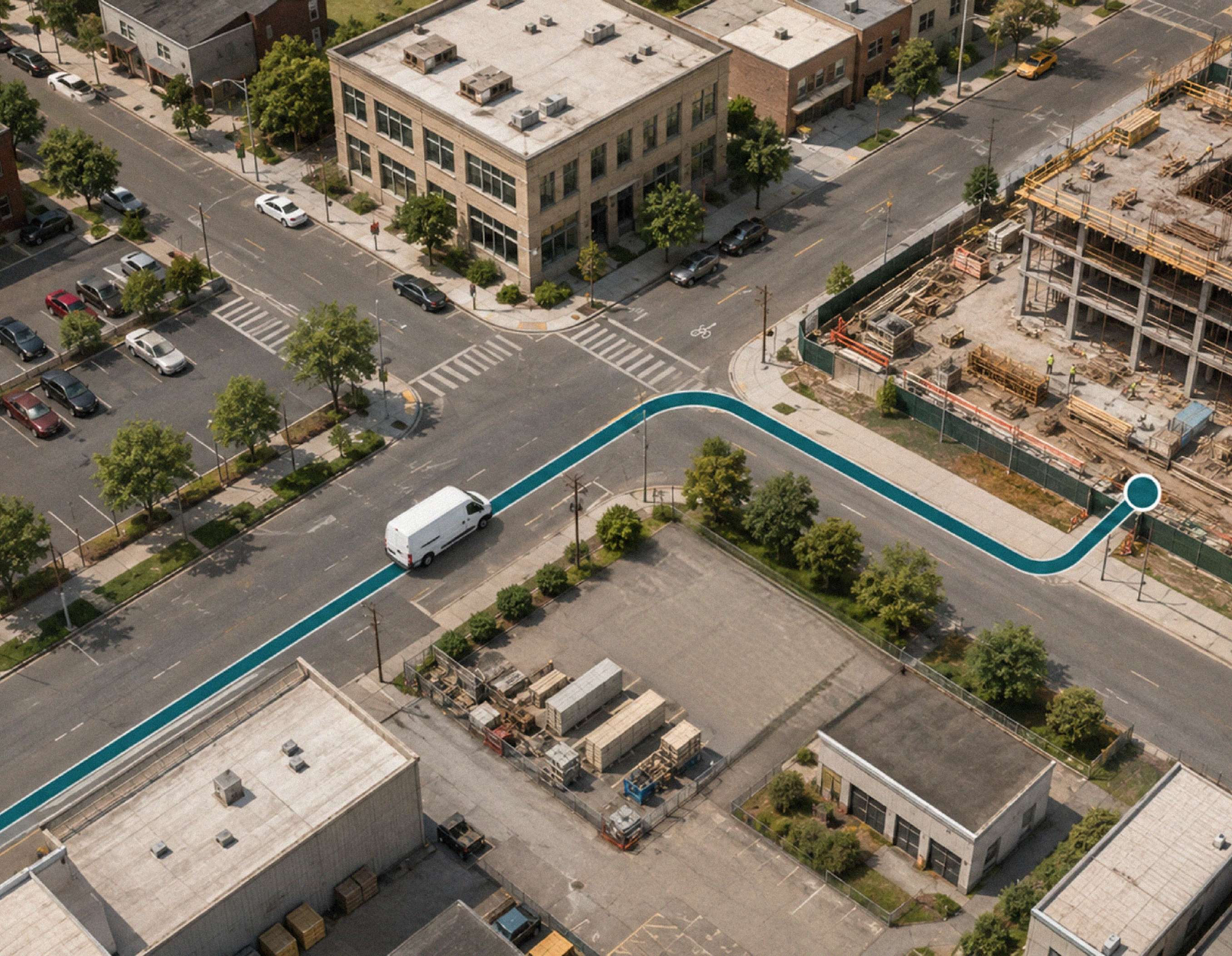
If you allow it, the crew creates the job from its address on the phone and clocks in to it. Or they clock in as usual, the stop is captured and named, and the office moves the hours onto the job once it’s set up, with the change kept in the log.
Every hour carries who worked, where, how long and on which cost code, from the GPS-verified time card, with the day’s route behind it. Pull one job’s hours as a report and send it with the bill, instead of rebuilding the week from memory.
Photos go on the daily or the form the crew fills in on site, stamped with the time and place, and file to the job with it. Open the job and they’re there, form by form, instead of in a group email.
Customer stories

Thousands already do, every day.
GPS and AI drive the capture and correction, so they don't have to.
Works offline. Works in Spanish. Prevents buddy punching. Detects and corrects mistakes.
Location is only shared while on the clock, never after hours. You choose the level of tracking that fits your crew.

"I love this app. It makes it so easy for me to clock in and clock out and it tracks my mileage for my work and everything. I would recommend it, great way to keep up with everything."
"By far the best app I've ever used for work. Most consistent and accurate. Haven't had any difficulties at all. I will never use another app for clocking my hours at work."
"This app is extremely easy for my construction staff to use. It creates reports for me that show different costs by projects and honestly just saves me time and headaches."
You're wondering…
Add them in Workyard, or let them come in from your payroll or accounting system: new hires arrive on the next import. Each gets an invite by text or email, downloads the app and signs in. Pricing is per worker, per month, for anyone who tracks time in Workyard, and if your headcount swings with the season, we build that into your quote.
Jobs come over as they are in your books, with their cost codes. From QuickBooks Online, new jobs come in every 30 minutes during business hours, each with a geofence from its address, and there’s nothing to install. QuickBooks Desktop syncs through Intuit’s Web Connector on the computer or server that holds your company file, every 15 minutes while it’s running. From Sage 100 Contractor, new jobs come in each time you sync.
If you allow it, the crew creates the job on the phone from the address and clocks in to it. Or they clock in as usual: every stop is captured and named, and once the job is set up the office moves the hours onto it, with the change kept in the log.
Yes. The crew chief picks who’s on the crew that day and clocks them in together from a phone, moves the whole crew to the next job and cost code, and clocks them out at the end. Techs who clock themselves in can keep doing it on their own phones.
Yes. Put each crew in its own rule group: how they clock in, what they sign and how much location is tracked. Restrict clock-in to the job’s geofence and the punch is blocked outside it, with the reason on the worker’s screen, or run the fence as guidance. Managers can be limited to the jobs they manage, with or without the dollars.
Drives go where your rule says: the next job, split across the day’s jobs, or unallocated, with their own cost code if you like. A Home Depot stop is captured on its own and added to the job they head to next. Warehouse time goes on the customer’s job when they clock in to it there, on their phone or the kiosk.
Yes. Pull one job’s hours as a report: every hour with who worked, where, how long and on which cost code, from the GPS-verified time card, with each day’s route behind it. The job’s dailies and forms filter by job and date range and export as PDF or CSV.
Their own phone or a company one, iPhone or Android. The crew chief can clock in the crew, and a kiosk on an iPad at the warehouse takes a PIN. Workyard tracks people while they’re on the clock, not vehicles, so there’s nothing to install in the vans.
No. They pick it from your job list, or the job’s geofence picks it for them. Give each job its own short list of cost codes, or a default code so there’s nothing to pick. If you’d rather, limit which jobs each worker can clock into.
Yes. Snap a photo of the form you run today, or upload the PDF, Word or Excel file, and it comes back as a form on the crew’s phones. Make it fire on arrival at each job and a three-job day leaves three records, each with what got done and the photos, filed to its job. Make it due at clock-out and the day can’t close without it.
Yes. Clock-ins, clock-outs and the forms that fire at them record with no signal and send when the phone finds coverage. Photos upload once it’s back in range. GPS is sampled so a full day fits on one charge.
Yes, but not by GPS: one address is one geofence. The tech or crew chief switches the job and cost code as the work changes, or the office splits the day across both jobs on the time card afterwards, with the change kept in the log.
Yes. Vendors you flag 1099 in QuickBooks or Sage 100 Contractor come in as 1099 team members: they clock in like anyone else, and their hours count toward the job’s costs in Workyard. You still pay them the way you do today.
If you turn it on. At clock-out they answer your questions on injuries, breaks and time, and sign. At the end of the pay period they confirm their hours or request a correction, which goes to their approver. Time Cards shows each card’s approver and status, so you see what’s still open.
Yes, when they’re taken on a form or a daily: each photo attaches to it and to the job, stamped with the time and place. Open the job’s Forms tab and they’re there, form by form, with the rest of that day’s record.
No. Workyard runs the crew side: hours, locations, schedules, forms, photos, daily logs and each job’s labor cost. It doesn’t write estimates or compare labor against them, and there’s no Xactimate connection today. Your estimate stays where it is, checked against this week’s labor instead of last month’s.
Yes: QuickBooks Online and Desktop, Sage 100 Contractor and Sage Intacct, ADP, Gusto, Paychex, Foundation, NetSuite and more, plus Excel, custom exports and a developer API.
Days, not months. Your jobs and crew sync from your accounting system, and a real person walks you through it. Want to start with one crew? A free trial has your first crew clocking in the same day.
Not in Workyard today: a worker has one pay rate at a time, not a rate per job or kind of work. Hours stay split by job and cost code, so your payroll system can apply the rate. In QuickBooks Desktop, map each cost code to a payroll item once and every line lands on its rate.
Not the report itself: Workyard doesn’t calculate prevailing wage or produce WH-347 or state certified payroll. Hours are coded by job and cost code, and you can export the teams on prevailing-wage work as their own batch to the system that files it.
We import your jobs, cost codes, and crews. Connected to your systems and live in days, with a person on the phone the whole way.