$123Ksaved with Workyard’s Smart Forms
"Smart Forms pays for itself through accurate invoicing, insurance savings, and keeping our business moving every single day."
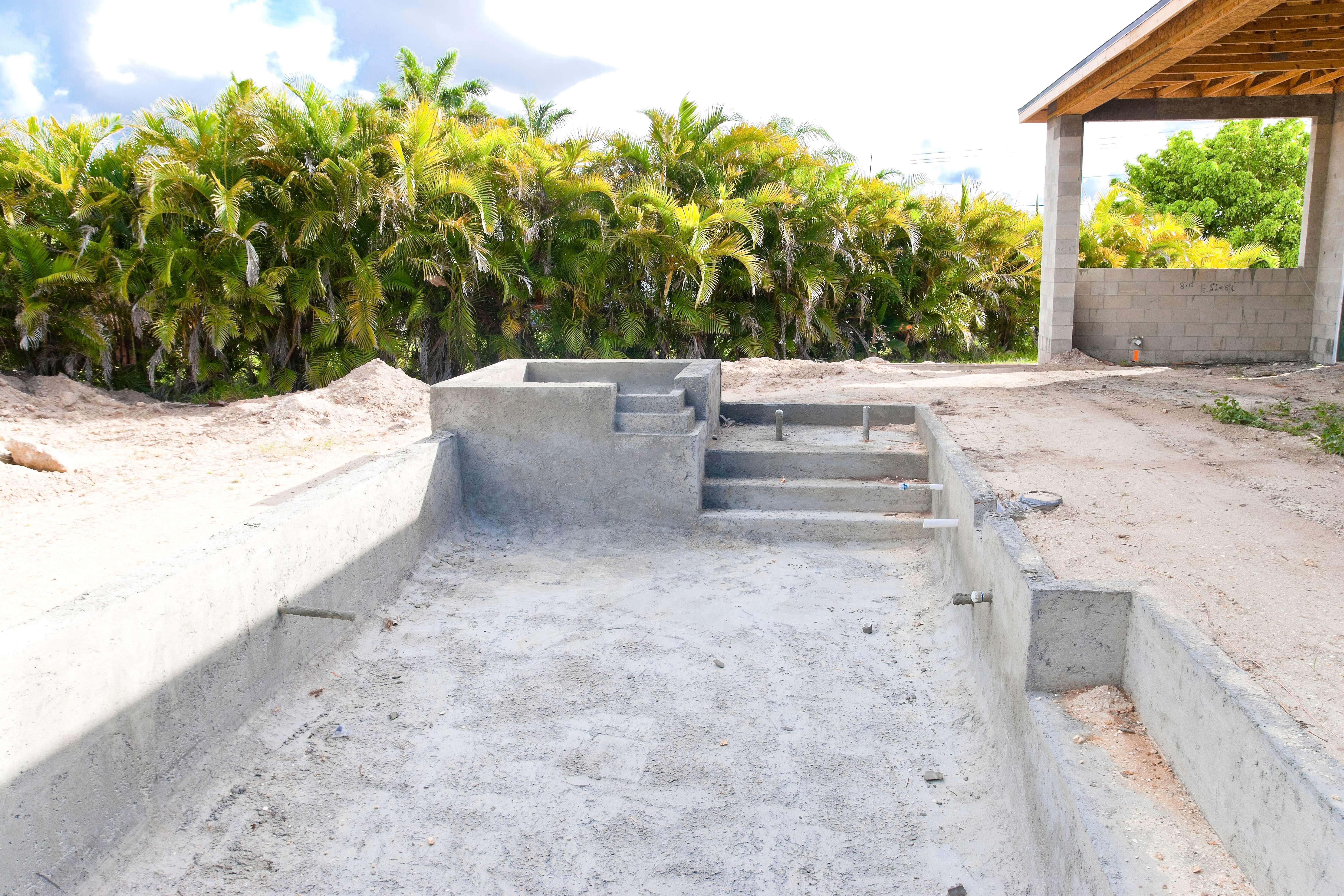
For dig, steel, plumbing and shotcrete crews out of the shop: every hour lands on the pool and phase it was worked, shop and drive time go where your rules say, and padded time comes off before payroll.
$123Ksaved with Workyard’s Smart Forms
"Smart Forms pays for itself through accurate invoicing, insurance savings, and keeping our business moving every single day."

“Whatever three bucks a guy a month, it’s totally paid for itself.”
OwnerLandscaping contractor, 11–50 workers

“Just a Monday for clocking. We save 40 something dollars… it’s kinda crazy.”
Landscaping contractor, 11–50 workers
The payoff
Job costs
5–25%
unassigned hours before Workyard
GPS and agents put each hour on the job it was worked.
Money
10–18%
off payroll
Rounded times, buddy punches, forgotten clock-outs: eliminated.
Time
30 mins
to prep payroll, not 12 hours
The typical drop for customers.

Workyard is not another everything-suite. It runs the crew side of the business, deeply, and connects to the rest.
For payroll and accounting: QuickBooks, ADP and 19 more. Jobs come in, and approved hours go to the systems that cost and pay.









Other tools wait for someone to do the work. Workyard’s agents check every timecard and flag only what needs you. That’s the whole job.
From quick answers to hours of work, handled
Time tracking that runs itself
Reports you need, without the spreadsheet work
Works your way
Construction crews build each pool phase by phase, out of the shop. Service techs cover several pools a day. Workyard fits both.
Crews out of the shop, one phase at a time
Techs on several pools a day
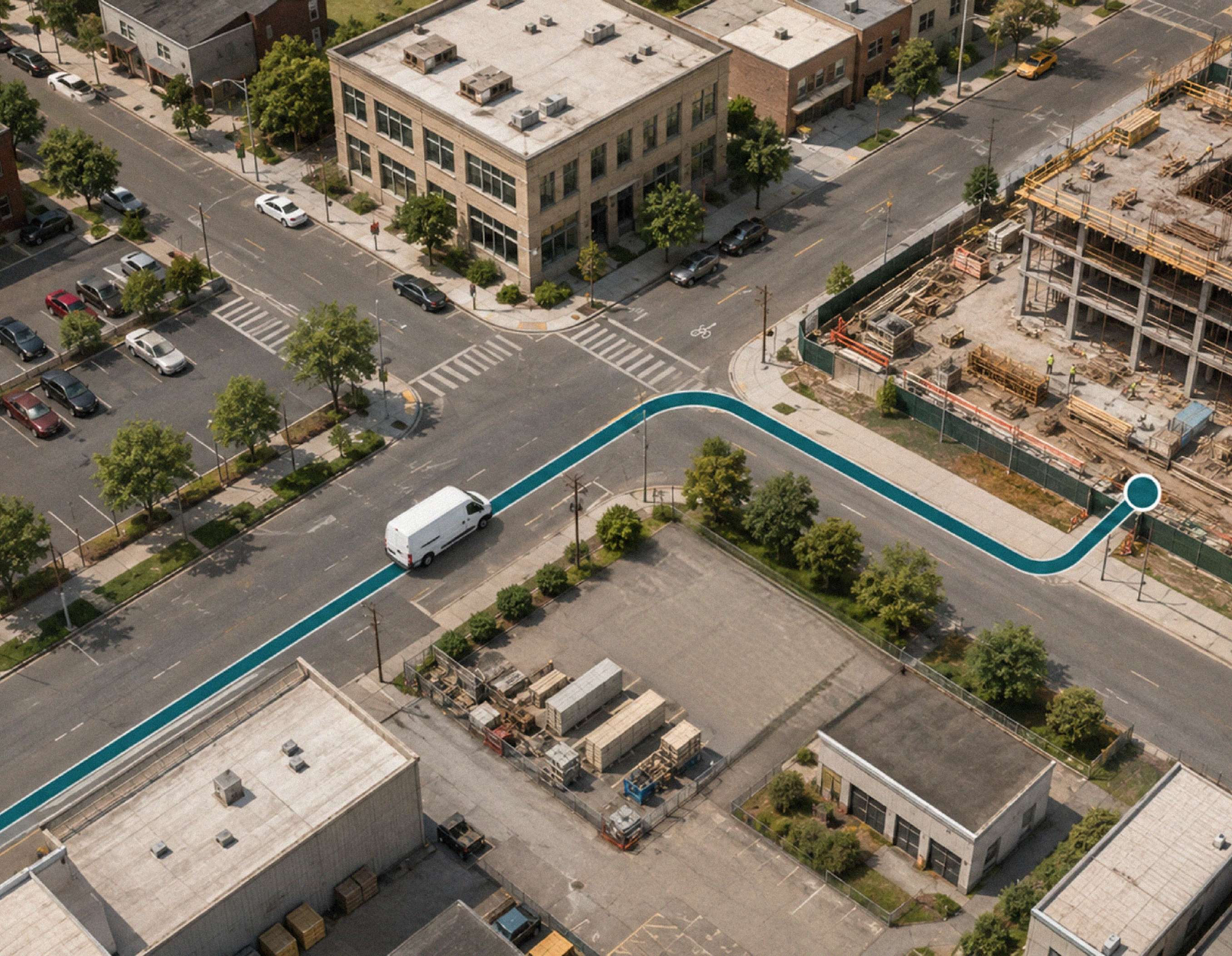
Built for the way pool construction runs
What pool builders ask us about before they buy, each one built in.
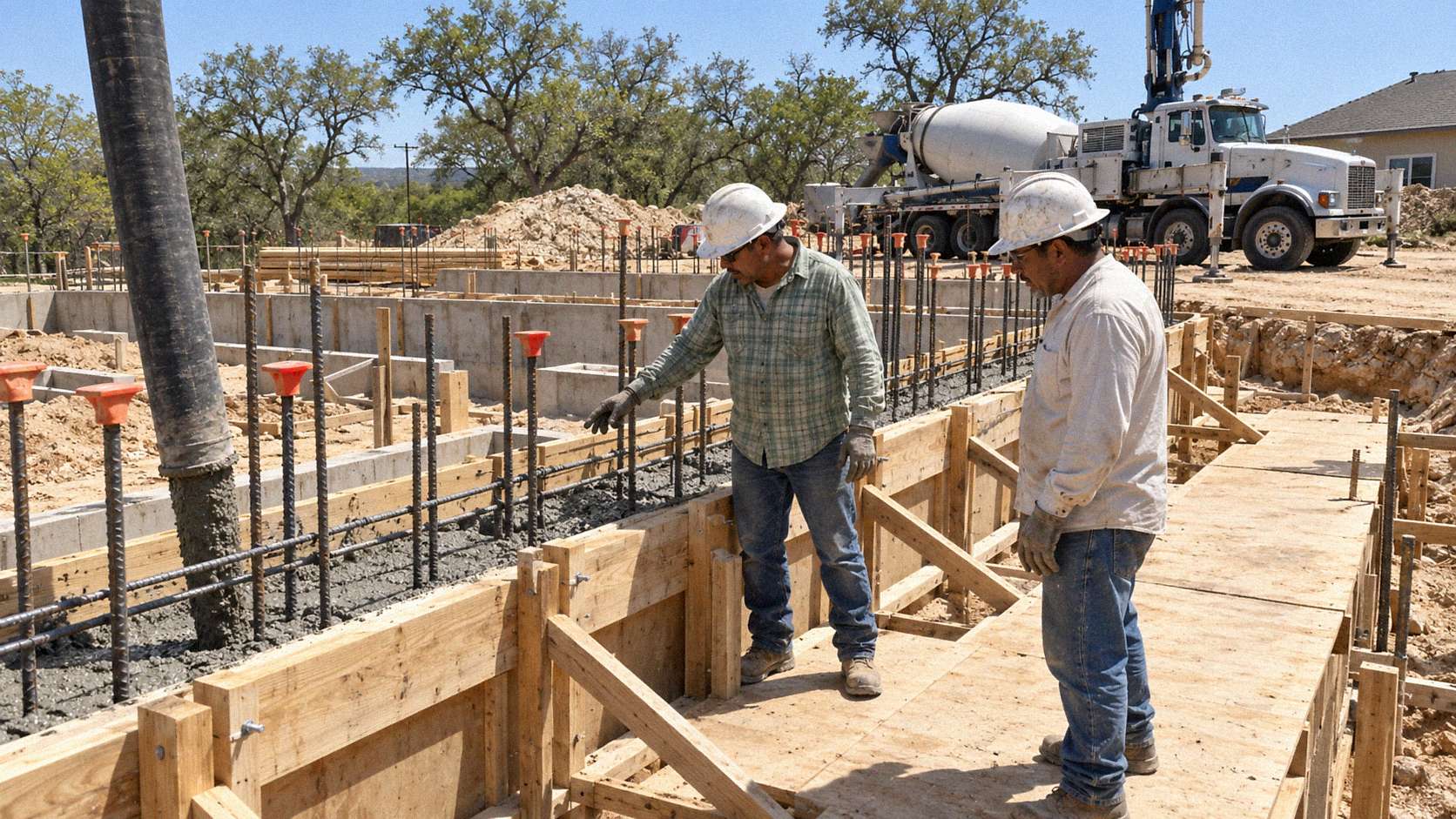
Set up each phase as a cost code: dig, forming, steel, plumbing, shotcrete. Give each job only the codes it uses, and its hours and labor cost by cost code update as each shift ends, so the next bid starts from what the steel really took. The estimate stays in your bidding system.
Make the shop a job with its own fence, and time there lands on the shop. Each drive goes where your rule says: the next job, split across the day’s jobs, or left unallocated under its own code, kept apart from time at the pool, so a job eating drive time shows it.
Snap a photo of the work order you run today and it comes back as a form. Make it due at clock-out: the foreman marks what got done and what’s left, notes what they still need, and adds photos stamped with the time and place. It files to the job as a PDF with your logo.
Thousands already do, every day.
GPS and AI drive the capture and correction, so they don't have to.
Works offline. Works in Spanish. Prevents buddy punching. Detects and corrects mistakes.
Location is only shared while on the clock, never after hours. You choose the level of tracking that fits your crew.
"I love this app. It makes it so easy for me to clock in and clock out and it tracks my mileage for my work and everything. I would recommend it, great way to keep up with everything."
"By far the best app I've ever used for work. Most consistent and accurate. Haven't had any difficulties at all. I will never use another app for clocking my hours at work."
"This app is extremely easy for my construction staff to use. It creates reports for me that show different costs by projects and honestly just saves me time and headaches."
You're wondering…
Yes. Set up each phase as a cost code and give each job only the codes it uses, so the crew sees a few, not a long list. Workers pick the code at clock-in and switch as the work changes, the foreman can switch the whole crew at once, and the office can move time to another code on the time card afterwards. Each job’s hours and labor cost by cost code update as every shift ends, and every finished job keeps them, so the next bid starts from what the dig or the steel really took. Workyard doesn’t compare against the estimate: that stays in your bidding system.
Where your rule says. Make the shop a job with its own fence, and time there lands on the shop. Each drive goes to the job it ends at, is split across the day’s jobs, or stays unallocated, with its own cost code if you like, and it’s kept apart from time on the job. A supply run is captured as its own stop. The drive home after clock-out is never recorded.
Restrict clock-in so it only starts inside the job’s geofence, drawn on the real lot lines, not a circle. Every punch carries its time and GPS location on the card, and in Automatic mode arriving at the job starts the clock for them. Set when each crew’s day can start, too: a card that starts early begins at that time, and crews leaving early for an out-of-town pool get a rule group of their own with an earlier start.
Yes. You pick which customers and jobs to import, so years of finished jobs stay in QuickBooks, and new jobs come in on the next import. Approve the week and send it: each person’s hours land on their QuickBooks timesheet by job, service item and payroll item, with overtime kept apart. QuickBooks Desktop connects through Intuit’s Web Connector; Online connects directly. Payroll run somewhere else? Export Excel or CSV by employee, job and cost code.
Yes. Snap a photo of the work order you use, or upload the PDF, and it comes back as a form on the crew’s phones. Attach it to the job’s task so it’s there when they open the app, point it at the foreman, and make it due at clock-out. They mark what got done and what’s left, add notes and photos stamped with the time and place, and it files to the job as a PDF with your logo.
No. Crews clock in on their own phones or company ones, the foreman can clock in the whole crew, or a kiosk on an iPad takes a PIN and a photo. On a phone there’s little to do: arriving at the job can start the clock, and the crew app runs in English or Spanish.
Yes. Drag a crew onto a job on the schedule and it lands on every phone with a push and an email: the address, the start, directions, the checklist and the notes with plans and photos. Set up the week and press Send, and everyone gets it at once. A coordinator can be limited to the jobs they manage, and workers see only their own tasks.
Yes. Each pool gets a geofence on its lot lines, so neighboring homes stay apart. In Automatic mode each arrival moves their time to that job, and driving past does nothing. Clock-in follows the geofence, not the schedule, so a stop that wasn’t on the schedule still lands on its job. Rather they pick the job? Turn automatic off for that crew.
Workyard clocks them out with a “Forgot to clock out?” notice and trims the card back to when they left the job’s geofence, so the drive home isn’t paid. A card nobody ends stops after 24 hours, trimmed the same way. Every trim is in the card’s log for you to approve, and anything else gets fixed on the card with a reason.
Yes. Set a meal break rule per crew, and a lunch missing at clock-out is added for them, so nobody has to clock out for lunch; a break that’s too short isn’t accepted. The foreman can also add the whole crew’s breaks in one go.
It keeps working. Clock-ins, breaks, clock-outs and the forms that fire at them record on the phone with no signal and send when it finds coverage again. A kiosk on an iPad does the same, holding the punches and photos until the connection comes back.
Yes. The crew app and the kiosk run in English or Spanish, and AI translation turns your form’s questions into Spanish or Portuguese in one click, for you to check before it goes out. Answers come back as the crew writes them.
Yes. Each company keeps its own jobs, codes and employees, and approved hours go back to the company file or payroll group they belong to. Crews who work across companies are set up during onboarding so their time lands in the right place.
Partly. Labor cost is each worker’s hours at their pay rate, overtime at time and a half and double time at double, with workers’ comp included. Other burden, like taxes and benefits, isn’t added.
No, it sits beside it. Workyard runs the crew side: time, scheduling, locations, job costs, field forms and payroll prep, next to the system that sells, estimates and bills the pool. There’s no ready-made JobTread or Buildertrend connector today: jobs and cost codes come in from your accounting system, or through Workyard’s developer API, which is how ServiceTitan connects too. Tell us what you run and we’ll confirm how it connects before you sign.
Not today. There’s no per diem, and travel time is tracked apart from time on site but isn’t sent to payroll as its own pay type, so per diem and travel pay are worked out in payroll.
Partly. Hours are coded to the job and cost code, so public and private work stay apart in the export, and you can export the crews on prevailing-wage work as their own batch. Your payroll system applies the prevailing rate and files the report: Workyard doesn’t calculate prevailing wage or produce certified payroll.
We import your jobs, cost codes, and crews. Connected to your systems and live in days, with a person on the phone the whole way.