


$123Ksaved with Workyard’s Smart Forms
"Smart Forms pays for itself through accurate invoicing, insurance savings, and keeping our business moving every single day."
For underground crews spread across many jobs: every crew and machine hour lands on the right job and cost code, hours nobody worked come off payroll, and nobody types up a foreman’s paper sheet again.
$123Ksaved with Workyard’s Smart Forms
"Smart Forms pays for itself through accurate invoicing, insurance savings, and keeping our business moving every single day."

“If I had to put a dollar value to it, you're probably looking, let's say, 15 to 17% that we've cut down on overall cost.”
CEOUnderground utility contractor, 50+ workers

“…the GPS is really on point. For us, it works out great for me to be able to figure out where people are and where they're spending their time.”
Underground utility contractor, 50+ workers

“You could actually find the bad apples by using this app.”
Underground utility contractor, 11–50 workers

“We freed up two full days of a team of 4 in a week, because our payroll's done every week.”
Operations ManagerExcavation contractor, 50+ workers
The payoff
Time
30 mins
to prep payroll, not 12 hours
The typical drop for customers.
Money
10–18%
off payroll
Rounded times, buddy punches, forgotten clock-outs: eliminated.
Job costs
5–25%
unassigned hours before Workyard
GPS and agents put each hour on the job it was worked.
Workyard is not another everything-suite. It runs the crew side of the business, deeply, and connects to the rest.
For payroll, accounting and ERP: Sage, QuickBooks, Foundation, Rippling and 17 more, so hours land in the systems that pay and cost them.









Other tools wait for someone to do the work. Workyard’s agents check every timecard and flag only what needs you. That’s the whole job.
From quick answers to hours of work, handled
Time tracking that runs itself
Reports you need, without the spreadsheet work
Works your way
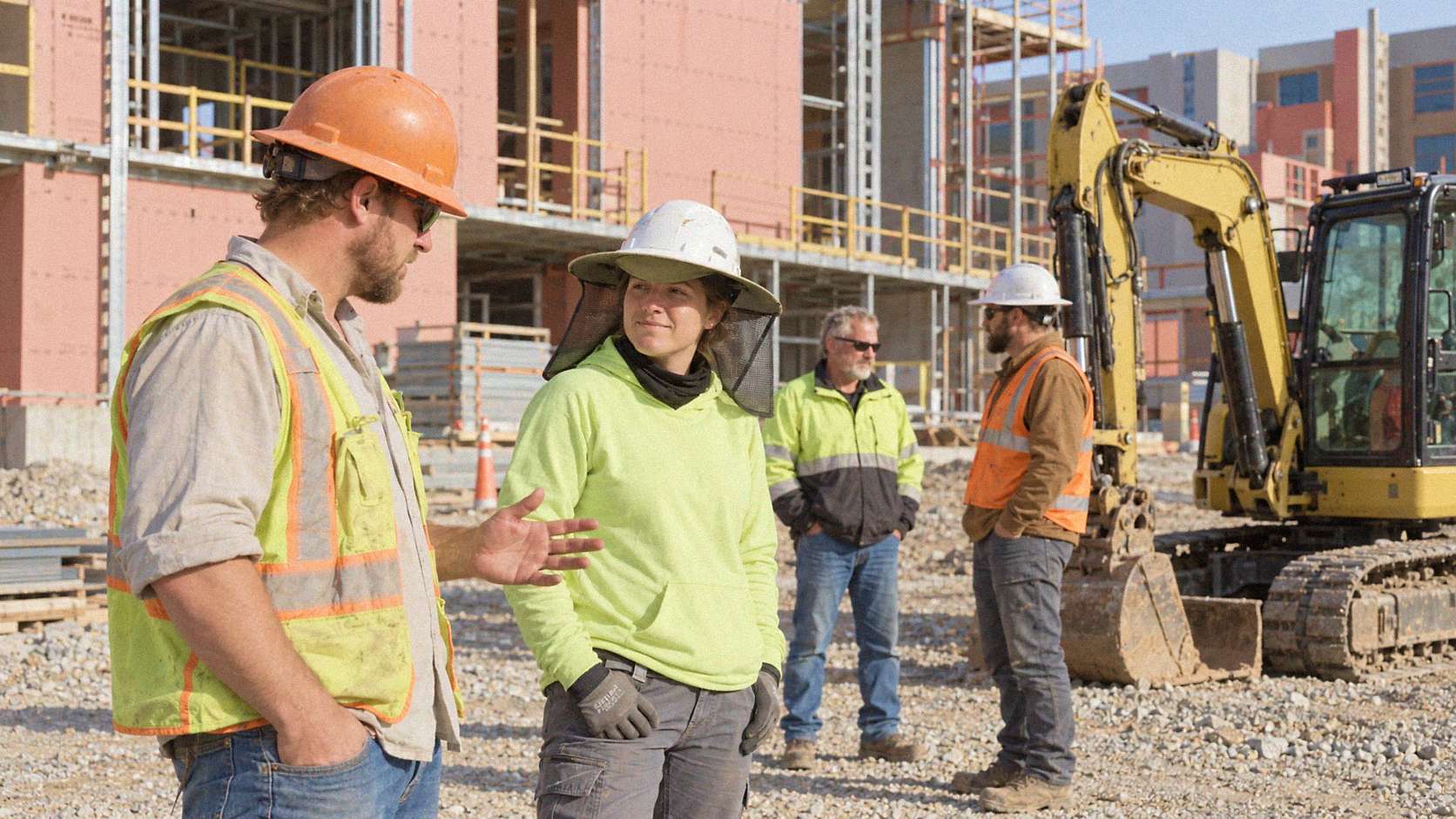
Foremen run small crews on one job for weeks. Other crews and drivers move job to job all day. Workyard fits both.
A foreman and a small crew on one job for weeks
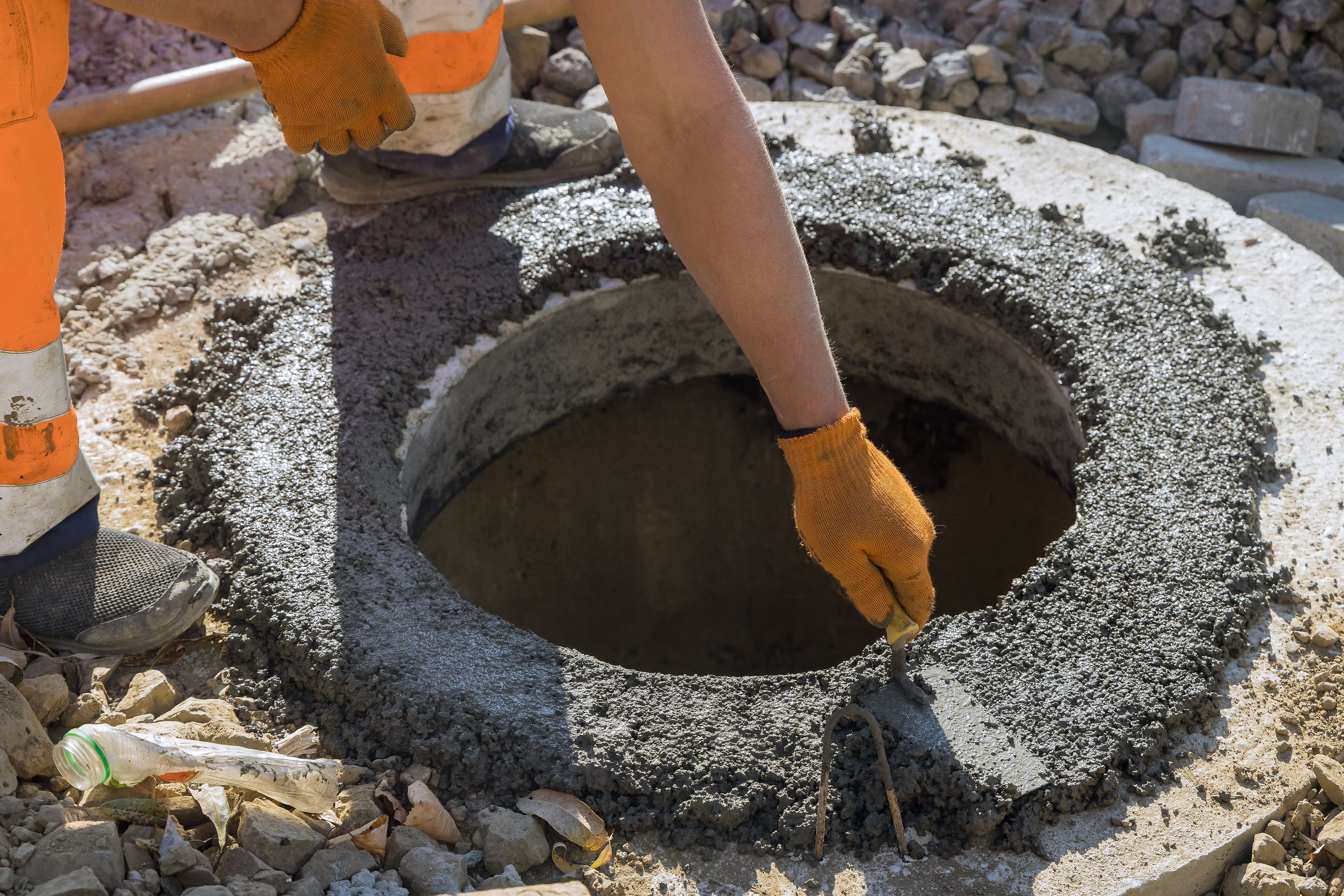
Small crews and drivers on several jobs a day
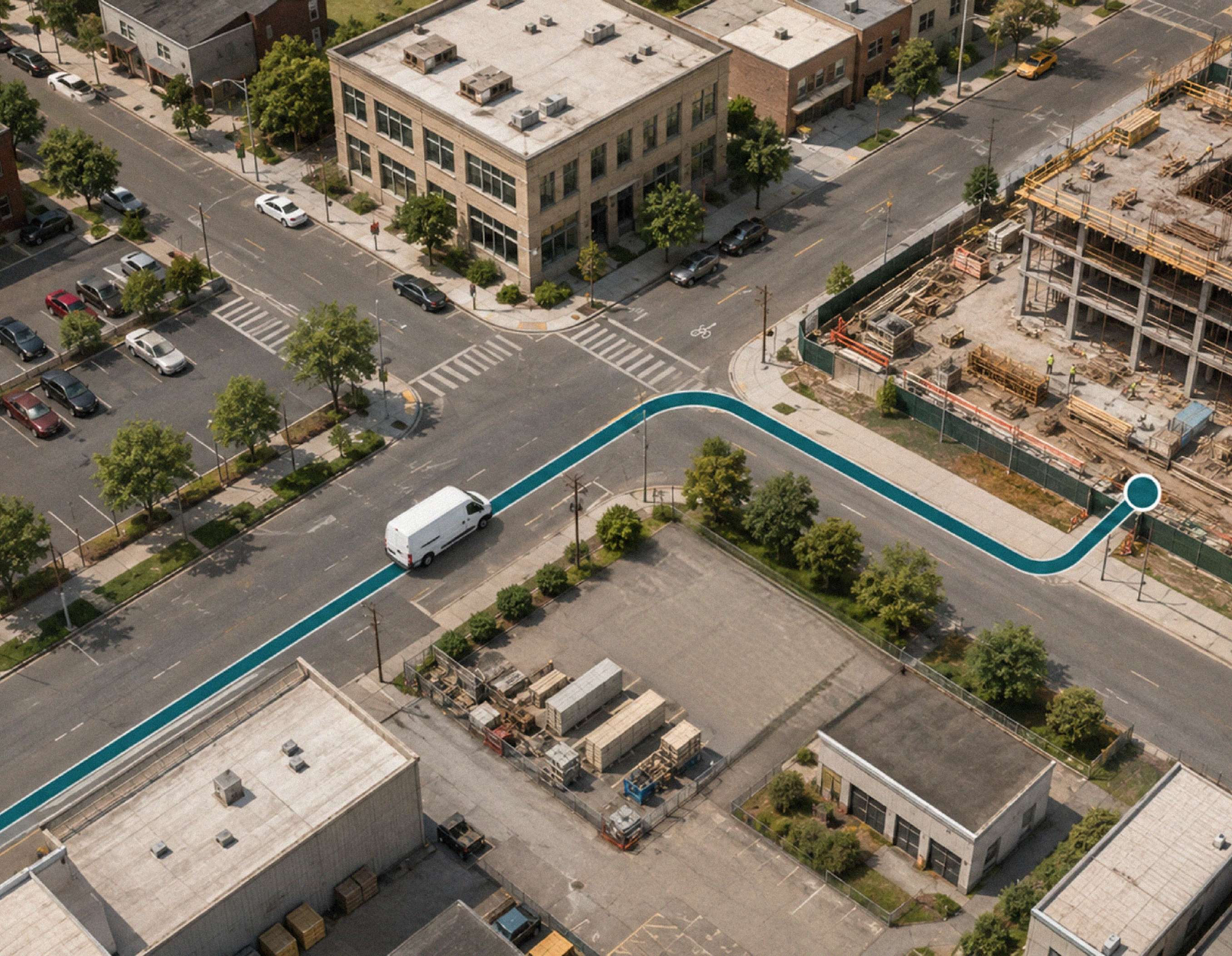
Built for the way underground utility runs
What underground utility contractors ask us for more than other contractors do, built in.
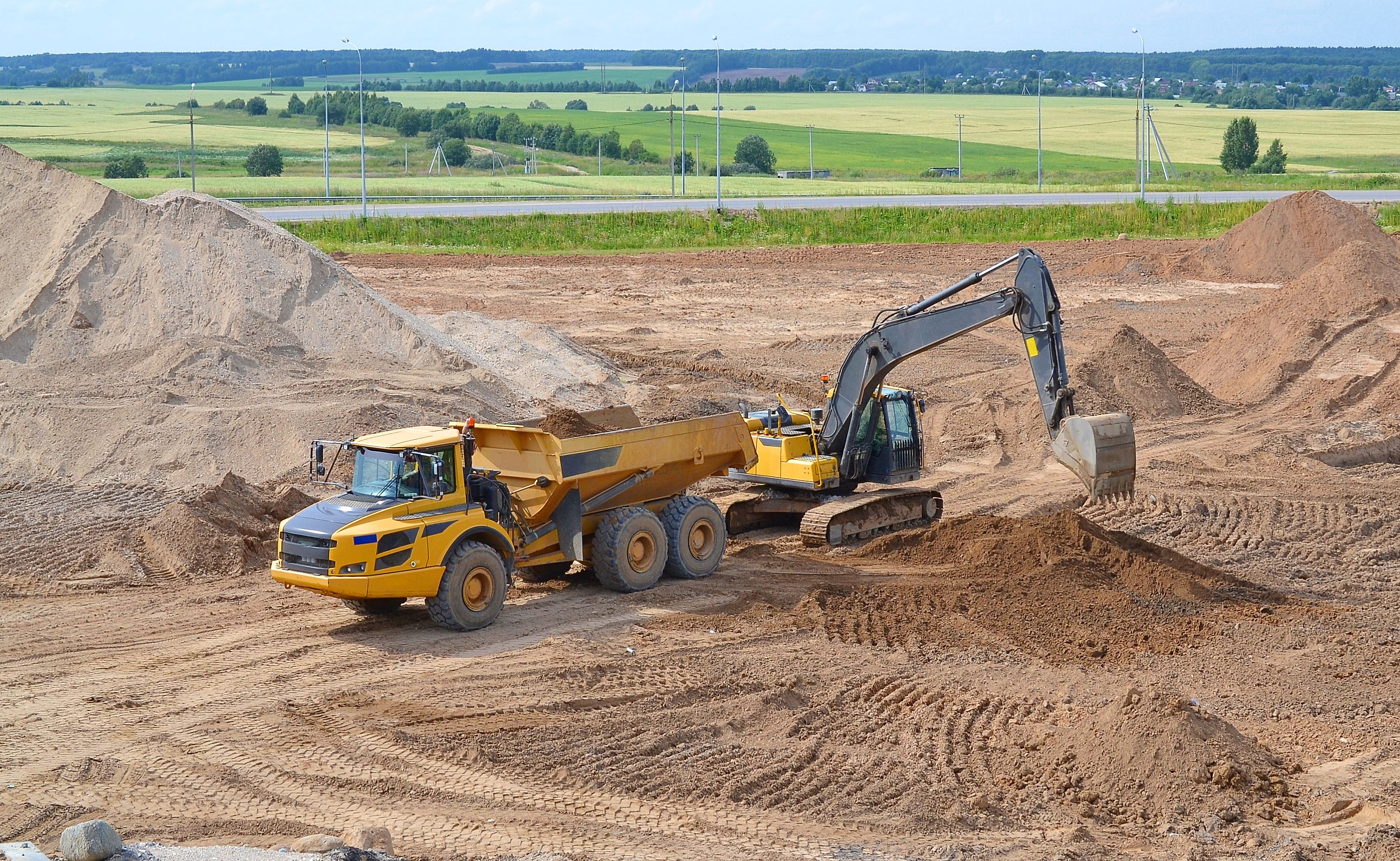
The backhoe, the vac truck, the mixer: operators tag the machine at clock-in or when they get on it, and its hours land on the same job and cost code as the crew’s, priced at the machine’s rate. A machine someone else is running can’t be picked.
Snap a photo of your paper report and it becomes the same form on the foreman’s phone. The crew and their hours fill in from the time cards, the day’s tasks are dropdowns, and it’s due at clock-out, photos and all, filed to the job beside the hours.
Jobs, phases and cost codes come in from your books, each job with a geofence from its address, so nobody enters a job twice. The crew sees only the codes that belong on that job, like storm, sewer or water, or a default leaves nothing to pick.
Thousands already do, every day.
GPS and AI drive the capture and correction, so they don't have to.
Works offline. Works in Spanish. Prevents buddy punching. Detects and corrects mistakes.
Location is only shared while on the clock, never after hours. You choose the level of tracking that fits your crew.
"I love this app. It makes it so easy for me to clock in and clock out and it tracks my mileage for my work and everything. I would recommend it, great way to keep up with everything."
"By far the best app I've ever used for work. Most consistent and accurate. Haven't had any difficulties at all. I will never use another app for clocking my hours at work."
"This app is extremely easy for my construction staff to use. It creates reports for me that show different costs by projects and honestly just saves me time and headaches."
You're wondering…
Yes. Direct connections to Sage 100 Contractor, Sage Intacct, QuickBooks Online and Desktop, Foundation, Spectrum, Acumatica, ADP Workforce Now, RUN Powered by ADP, Gusto and NetSuite. Rippling, Paychex Flex, Sage 50 and Sage 300 CRE get a file built for their import, and any other system takes a custom file export or connects through the API.
Yes. Operators tag the machine at clock-in or when they get on it, and its hours land on the job beside the crew’s labor, priced at the rate you set for it. A foreman or the office can add a machine to someone’s time afterwards, and two people can’t log the same machine. It isn’t a GPS tracker: if you run telematics, it sits beside Workyard.
They come over. Employees, jobs, phases and cost codes come in from Sage 100 Contractor, and projects and tasks from Sage Intacct, each time you sync. From QuickBooks Online, new jobs can come in on their own every 30 minutes in business hours, each with a geofence from its address, and from Foundation they come in when you pull your lists.
Yes. Snap a photo of your paper report and Workyard builds the same form on the foreman’s phone. The crew and their hours fill in from the time cards; the foreman picks the day’s tasks from dropdowns and adds what got done, the equipment, the photos and a signature. Make it required at clock-out and the app won’t finish clocking out until it’s in. It’s filed to the job and downloads as a PDF with your logo.
Whoever you put in charge of it. In Automatic mode the job comes from where the crew is. For the cost code, each worker picks from the few codes on that job, the foreman sets it for the whole crew, or a default leaves nothing to pick. The office fixes a wrong code in place, and the change stays in the card’s log.
Mostly there’s nothing to fill in. Arriving on site can start the clock, or it’s one tap on Start work, and the whole app runs in English or Spanish. Anyone who won’t use a phone gets clocked in by the foreman from one phone, or at a kiosk on an iPad with a PIN and a photo.
A specialist sets up your jobs, cost codes, geofences and pay rules with you, imported from your accounting where we can, and runs the first payroll sync with you watching. Crews download the app and clock in on their own phones; anyone without one clocks in at a kiosk or with the foreman.
Approve the pay period and send it. Sage 100 Contractor gets a line in Daily Payroll Entry for each person, day, job, phase, cost code and pay type, and Sage Intacct gets weekly timesheets by project and task. For Rippling, export the file and import it into Rippling Time & Attendance: a couple of minutes once your people are matched. Nothing reaches payroll until you send it.
Yes. The app keeps recording with no signal, punches, locations and machine tags included, and syncs the moment the phone finds a connection. A kiosk keeps clocking crews in and syncs later too.
Yes, on the live map: every clocked-in worker, the job they’re on and how long they’ve been there, who’s on the road and who hasn’t clocked in yet. Location is tracked only while they’re on the clock.
Yes. Make a team for each crew or office and Time Cards groups the cards by team. Every worker has a time approver, or more than one, who sees and approves their own crew’s cards, and project managers can approve the time on their jobs. It’s one approval, not a chain: the office can approve anything still open.
No. Crews step off site for materials or the next job, so leaving doesn’t end the shift: the stop is captured and named on its own, and coming back picks the job up again. A forgotten clock-out is trimmed back to when they left the last job, and the trim is on the card for you to review. Arriving can start the clock, prompt them, or do nothing, crew by crew.
Yes. Fences start from your job addresses, and any one can be a polygon as long and irregular as the work: a corridor, a stretch of road, or two jobs on the same street kept apart. Then choose per crew: block clock-ins outside the fence, or run it as guidance, where a punch outside is flagged on the time card for the office instead of stopping the worker.
Yes. Each stretch of the day carries its own job and cost code, picked at clock-in or switched as the work changes, and Automatic mode moves the time to each job they arrive at. Cost code groups give each team its own list, so the drill crew sees its codes and the build crew sees theirs. A day nobody coded as it went can be split on the time card afterwards.
Your rule decides. In Automatic mode a drive goes to the next job, splits across the day’s jobs or stays unallocated, with its own cost code if you like. To put the drive back to the yard on the job they just left, move that time on the time card, and the change stays in the log. Travel time is tracked, but it isn’t sent to payroll as its own pay type.
Yes. Workers edit their cards only if you allow it, crew by crew. Every change made in the office needs a reason and stays in the card’s log, and the worker gets an email and a push. At clock-out they answer the daily sign-off (injuries, breaks, whether all their time is recorded) and sign, and you can add your own questions on a clock-out form. At the end of the pay period they confirm their hours or ask for a correction.
Not yet. Equipment hours and cost show on each job in Workyard and on the time cards, but they aren’t part of the payroll and accounting exports today. Labor hours export as they always have.
Partly. Every hour is coded to its job and cost code, so public and private work stay apart in the export, and you can export the crews on prevailing-wage work as their own batch. A worker has one pay rate at a time in Workyard, so a rate by job, county or classification is applied in your payroll system: Foundation applies the union and prevailing rates it holds, and Sage 100 Contractor can leave the rate to Sage. Workyard doesn’t calculate prevailing wage or produce certified payroll.
We import your jobs, cost codes, and crews from your accounting system. Connected and live in days, with a person on the phone the whole way.


