11 Best Apps for Contractors and Construction Companies in 2026
The right app depends on the job it has to do. Here's what each of 11 does best, what crews can send from the field, and what the plan you need costs.
By Kyo Zapanta
· Reviewed by Rouselle Isla
· Last updated 12 October 2026 • Published 26 September 2025
TL;DR
The plan that unlocks field updates is rarely the one roundups quote: Contractor Foreman's $49 plan has no daily logs, and Jobber's $49 plan has no checklists. Here are the standout picks.
Best overall for construction crews and job costs: Workyard. GPS-verified hours, notes and photos land on the job and cost code, so you see what each day cost.
Best for home builders and remodelers: Buildertrend. Schedules, budgets and daily logs, with a client portal and homeowner app.
Best for commercial GCs: Procore. Formal daily logs, punch lists and project documents, with unlimited users.
Best for daily reports: Raken. The foreman builds the report on the phone, signs it, and the PDF goes to the distribution list.
Best for jobsite photos: CompanyCam. Time- and GPS-stamped photos go into the job as they're taken.
Best for service trades: Jobber. Visit notes, photos, checklists and on-my-way texts for single-visit service work.
Disclosure: Workyard competes directly with several of the apps in this guide. This review reflects our honest assessment of each product based on our research and testing, and we've flagged where we're not the right fit.
Running a construction company means running two operations at once: the work in the field and the office work around it. Schedules, time cards, daily reports, photos, change orders, invoices. When those live in text threads, spreadsheets and the foreman's memory, you find problems on the invoice instead of on the job.
Contractor apps, also called construction apps, move that work onto the phone and into one record. A crew member clocks in, takes a photo, fills a daily log or checks off a task, and the office sees it against the right job without calling anyone. That is the practical core of construction workforce management: knowing where your crews are, what they did and what it cost.
The apps in this guide do different jobs. Some run the whole project, some document the field, some manage crews and labor cost, and some dispatch service calls. The plan a vendor advertises is often not the plan that includes what you need.
This guide compares 11 apps for contractors on what each does best, what crews can send from the field, what still works with no signal, and what the plan that unlocks it costs. Workyard publishes this guide and ranks itself first, so we show our method below.
What apps do contractors and construction companies need?
Most contractors need apps for five jobs: project management, field reporting and photos, crew time and scheduling, service dispatch, and accounting and payroll. Workyard is the best overall pick for running crews and job costs. Buildertrend and Procore lead project management, CompanyCam and Raken lead photos and daily reports, and Jobber and ServiceTitan lead service trades.
Few contractors buy all five. A remodeler might run Buildertrend and little else. A specialty contractor with crews on several jobs might pair Workyard for time, scheduling and job costing with an accounting system. Start with the job that costs you the most time or money today. For the broad project platforms, see our guide to the best construction management software.
Field reporting and photos: daily logs, jobsite photos and punch lists on drawings (Raken, CompanyCam, Fieldwire)
Crew time, scheduling and job costing: GPS-verified hours, crew schedules and labor cost by job (Workyard, ClockShark, Assignar)
Service and dispatch: single-visit jobs, routing, quotes and invoices for trade service companies (Jobber, ServiceTitan)
Accounting and payroll: where hours and costs end up, usually QuickBooks, Sage, ADP or Gusto, connected to the apps above
Most apps in this guide cover one of these jobs well and touch a second. None replaces your accounting system, so check how hours and costs get there before you buy.
Contractor app vs field reporting app vs field management software
A contractor app, or construction app, is the broad term: any mobile and web app a contractor uses to run jobs, crews and the office work around them. Buildertrend, Procore and Contractor Foreman sit at the broad end.
A field reporting app does one job: it gets documentation from the jobsite to the office. Raken (daily reports) and CompanyCam (photos) are the clearest examples. Fieldwire does the same around drawings and punch lists.
Field management software starts with the crew: who is working where, for how long, on which job, and what that labor cost. Workyard, ClockShark and Assignar start here. Jobber and ServiceTitan do the same for service visits rather than multi-day jobs.
What's changed in this update (September 2026)
Added Fieldwire, CompanyCam, Jobber and ServiceTitan. Removed Knowify, Autodesk Build, Arcoro Time (ExakTime) and Service Fusion, which fit field updates less well.
Removed the list of job-finding marketplaces. This guide covers apps for running your own field work.
Re-ranked around what crews can send from the field, when the office sees it, and how each app behaves offline.
Rechecked every price and listed the plan that unlocks field updates. That corrected our own Workyard pricing (the $50 base fee and $13 Pro plan are gone) and several competitors: Buildertrend's published tiers are retired, Raken no longer publishes prices, and Contractor Foreman's annual prices are about a third higher than we previously listed.
Replaced long review excerpts with cited, dated quotes, and added hands-on findings from our September 2026 testing of Fieldwire, CompanyCam and ClockShark.
What is the best app to provide updates from the field for contractor businesses?
Workyard is the best app for field updates when notes, photos and forms need to land on the job with GPS-verified hours and labor cost. CompanyCam is best for jobsite photos, Raken for signed daily reports, Procore for commercial daily logs, Fieldwire for punch items on drawings, Buildertrend for homeowner updates and Jobber for service visits.
The right pick depends on what your crews send most. A superintendent needs a signed daily log, a remodeler needs photos a homeowner can see, and an owner running six crews needs to know who is on which job and what the day cost. If a formal field report is your main need, our guide to field reporting software goes deeper on that one job.
Two things separate these apps more than their feature lists: when the office actually sees the update, and what still works when the jobsite has no signal. Every entry below covers both.
What crews need to send from the field
Photos and video, time-stamped and GPS-stamped, filed against the right job
Job notes on the job, the task or the time card
Mobile reporting: daily reports or daily logs with manpower, weather, work completed and delays
Crew communication: job comments, @mentions and threads tied to the job instead of a group text
Forms and checklists: safety checks, inspections, sign-offs
Task or job status, including punch items
Client-facing progress updates or photo reports
GPS and time context, so the update is tied to who was on site and when
Key features to look for in a mobile contractor app
Offline capture that queues on the phone and syncs without anyone re-entering it
Updates filed against the job automatically, not dumped into one shared feed
Field-to-office visibility as the update is made, not only when someone signs or submits
Daily logs that pull manpower from time cards instead of retyping it
Required fields, such as a photo before a checklist can be completed
Clear plan gates: which tier includes daily logs, custom forms and client access
A mobile app crews rate well on both iPhone and Android
Two questions separate the contenders fastest:
When does the office see what the crew sent?
What happens when there is no signal?
Ask both of every vendor. CompanyCam photos reach the job feed as they're taken, while a Procore daily log reaches the office only when someone clicks Complete & Distribute. CompanyCam caches 60 projects offline, while Contractor Foreman needs a connection for everything except time cards.
Best contractor apps compared
The price column shows the plan that unlocks field updates, which is not always the plan the vendor advertises.
Platform
Best for
What crews send from the phone, and what works offline
Construction crews on multiple jobs, with labor cost by job
Notes and photos on time cards, tasks and checklists, GPS-verified hours, daily reports through Smart Forms. Offline: clock-ins, GPS and clock-screen forms. App: iOS 4.0, Android 3.8
Starter $6/user/mo billed annually. Pro, Autopilot and Smart Forms: no published price
Structured daily log, photos and punch items; forms with Quality & Safety. Offline: new entries, no edits to completed forms. App: iOS 4.6, Android 3.8
Site diary with timesheets, quantities, photos and client signature. Offline: timesheets, forms and dockets; Site Diary not documented as offline. App: iOS 3.83 (US), Android 3.5
Quote only
Prices checked October 12, 2026. Raken no longer publishes prices, so its entry uses the last published figures. App ratings from the App Store and Google Play were captured September 28, 2026. Plans and prices change, so check the vendor's page before you buy.
How we chose the best construction apps
We reviewed the 30+ apps named across the top-ranking contractor app roundups and AI answers, and chose the 11 best for construction and field teams.
Field-update depth: What a crew member can send from the phone: photos, notes, daily logs, forms, task status and client updates.
Office visibility: When the office actually sees the update, and whether someone has to sign or submit first.
Offline behavior: What queues on the phone with no signal, what syncs later, and what fails.
Plan gate: Which tier unlocks the field-update features, and what it costs at a real crew size.
Mobile experience: App Store and Google Play ratings, what crews can do on the phone versus the web, and how mobile reporting behaves without signal.
Hours and job cost: Whether an update ties to who was on site, when, and which job the labor belongs to.
We read each app's product documentation and help-centre behaviour docs, re-verified live pricing pages, and read verified user reviews across Capterra, the App Store and Google Play, alongside anonymized analysis of Workyard research conversations where available. See our review methodology.
We ranked by how directly each app ties a field update to hours and job cost, which favours Workyard.
Our review team tested three of these apps hands-on in September 2026: Fieldwire on its free Basic plan, on the web and on a phone, including an offline test; CompanyCam on the web during a Scale trial (we did not test photo upload or the mobile app); and ClockShark on the web and iOS during a trial. First-person findings in those entries come from that testing. Everything else is research.
Where a vendor's marketing and its own documentation disagreed, we went with the documentation and said so in the entry.
11 best apps for contractors and construction companies
1. Workyard — Best overall for construction crews and job costs
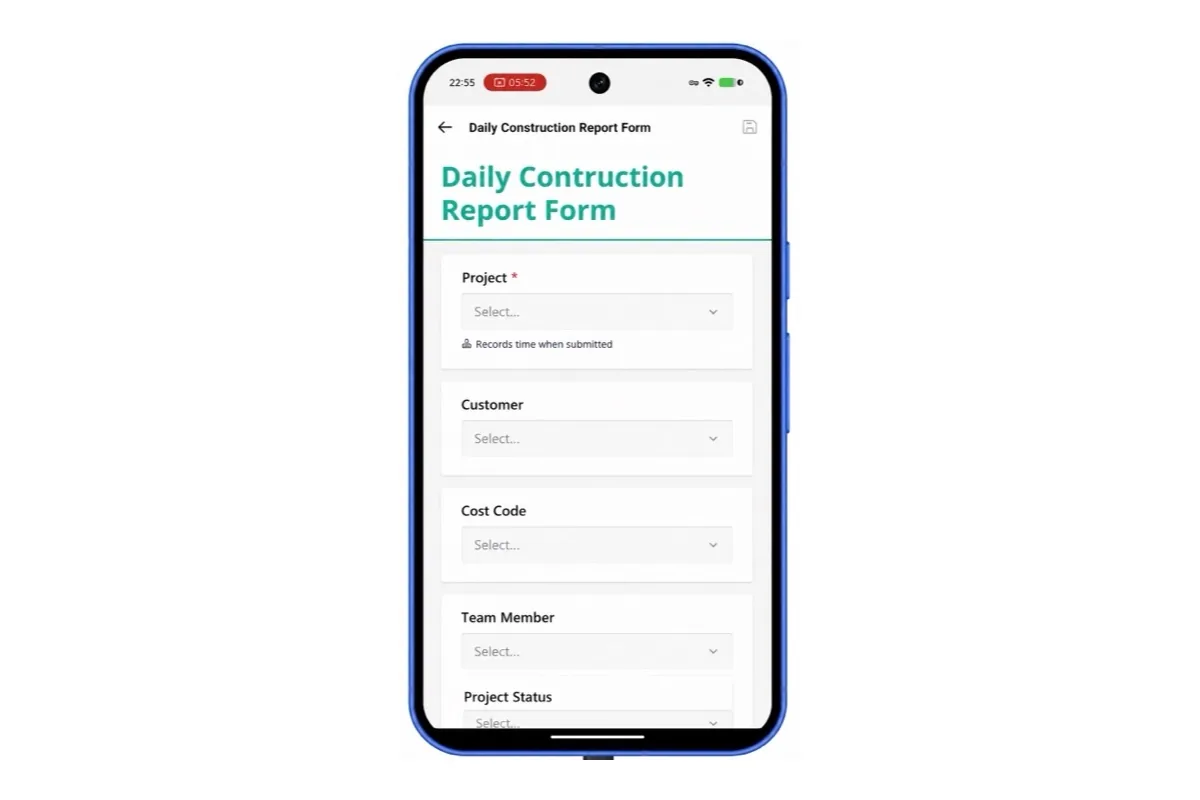
A daily construction report form on the Workyard crew app.
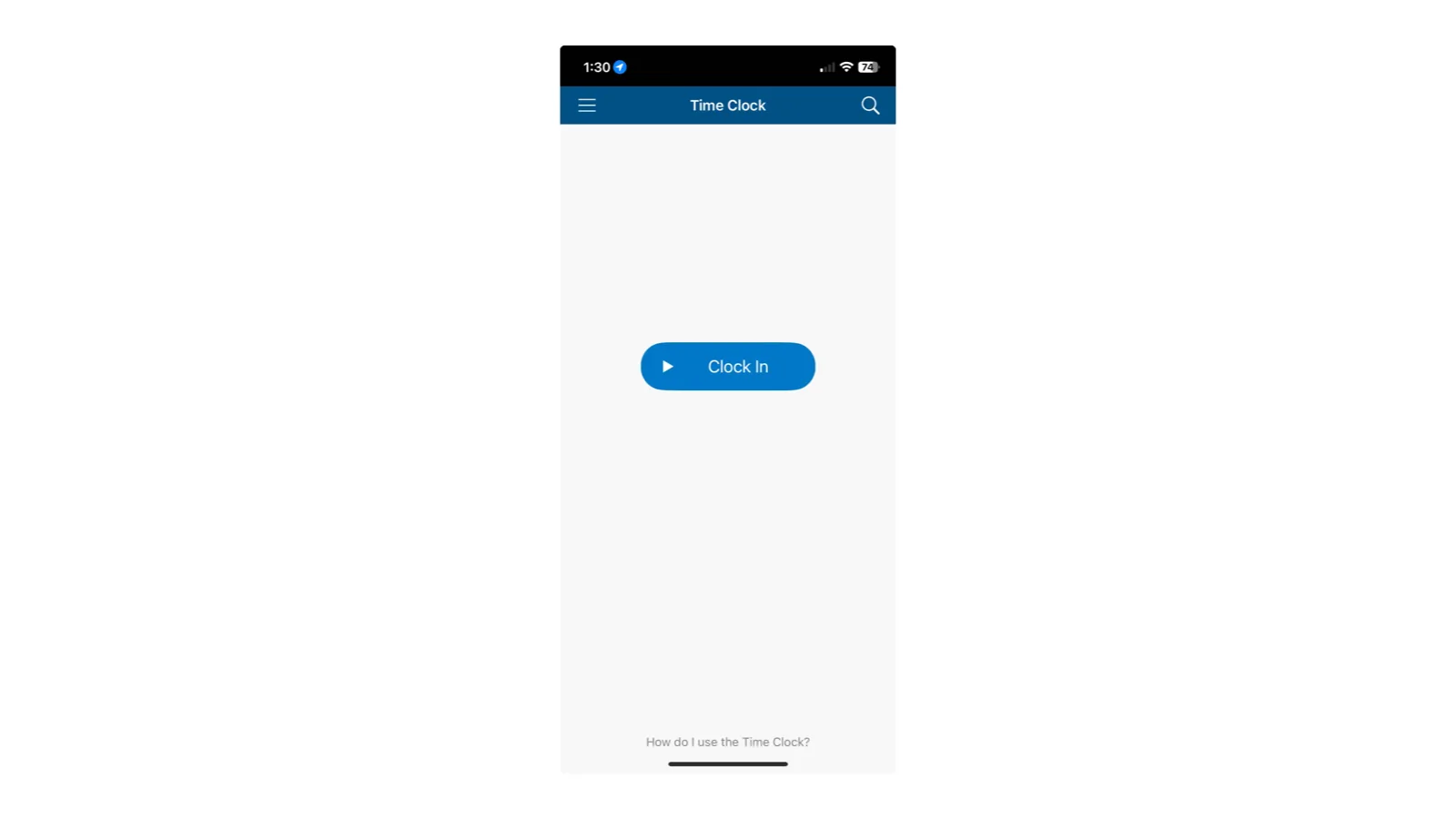
Workyard is a construction operations platform for specialty contractors and self-performing general contractors. Crews send notes, photos and forms from the same GPS time clock app they clock in with, so each Workyard field update lands on the job with the GPS-verified hours behind it. Construction time tracking, plus time-card notes and photos, starts on Starter at $6 per user per month, billed annually. Pro adds tasks, checklists and each job's Live activity feed. The Smart Forms add-on holds daily reports and custom forms. Neither Pro nor Smart Forms has a published price.
Workyard puts notes and photos on the time card on every plan, and each photo tags the job and address where it was taken. From Pro, notes, photos and checklist ticks on assigned tasks land in the Live activity feed. The feed does not refresh while open.
Workyard's Smart Forms reach the worker at clock-in, clock-out, geofence arrival or on a task, and land in the office's submissions list on submit. With no signal, time and GPS data stay on the phone, and forms submit offline only from the clock screen.
Knowing exactly where your employees are at, get all info about the work the performed on the notes and receive photos thru the app. Weekly reports with hours are also very helpful.
Lorena L. · Office Assistant, Construction · Capterra · 2025-03-07
”
Between a glitchy geofence auto clock-in feature and an unwavering certainty that the GPS never makes mistakes you will either have to vigilantly check each and every time card or risk losing hours of pay!
Google Play reviewer · Google Play · 2026-06-03
What our customers say about us
Hear positive experiences first hand from real conversations between our customers and Workyard.
Notes and photos in a few taps
The app picks the job from the worker's location.
”
I rolled up onto a job site and wanted to put notes in, and the drop down was very easy. It told me right where I was, and all I had to do is pick that and then take a picture and then write a note.
Roofing & Exterior Contractors - Project Manager
Daily forms done before clock-out
Managers no longer follow up to collect daily reports.
”
It kinda gives us the option to require those forms to be filled out before they clock out at the end of the day.
Civil & Infrastructure Construction
Safety records with a photo and signature
Forms with a photo and a signature cover OSHA documentation.
”
And then they take a photo and they sign. So I can use this for all of our OSHA and safety requirement documentation for compliance.
Civil & Infrastructure Construction - Operations Manager
Dive into testimonials from our customers increasing their margins with Workyard
Workyard ranks first because a field update and the labor cost behind it come from one record. Each note, photo or form carries the GPS-verified time that drives payroll, and on Pro every clock-out recalculates labor cost by job and cost code.
Workyard's Timecard Autofill closes the usual gap in a daily report. The help centre says foremen can pull their crew's timecards into the report "without re-entering hours," so the form matches payroll.
Workyard pushes forms to the worker, so the office stops chasing them. A geofence form fires once per site visit, with a push about two minutes after arrival, and a task form due today shows on the clock-out checklist. Routing sends each job's submissions to its PM in real time or as a next-morning summary.
Workyard has no client portal, RFIs or drawings. A Professional Report PDF is downloaded and emailed by hand, and a task form opened from the Tasks view needs signal. Workyard's crew app rates 4.0 on the App Store from 242 ratings and 3.8 on Google Play from 256 reviews, as of September 28, 2026.
2. Buildertrend — Best for home builders and remodelers who update homeowners
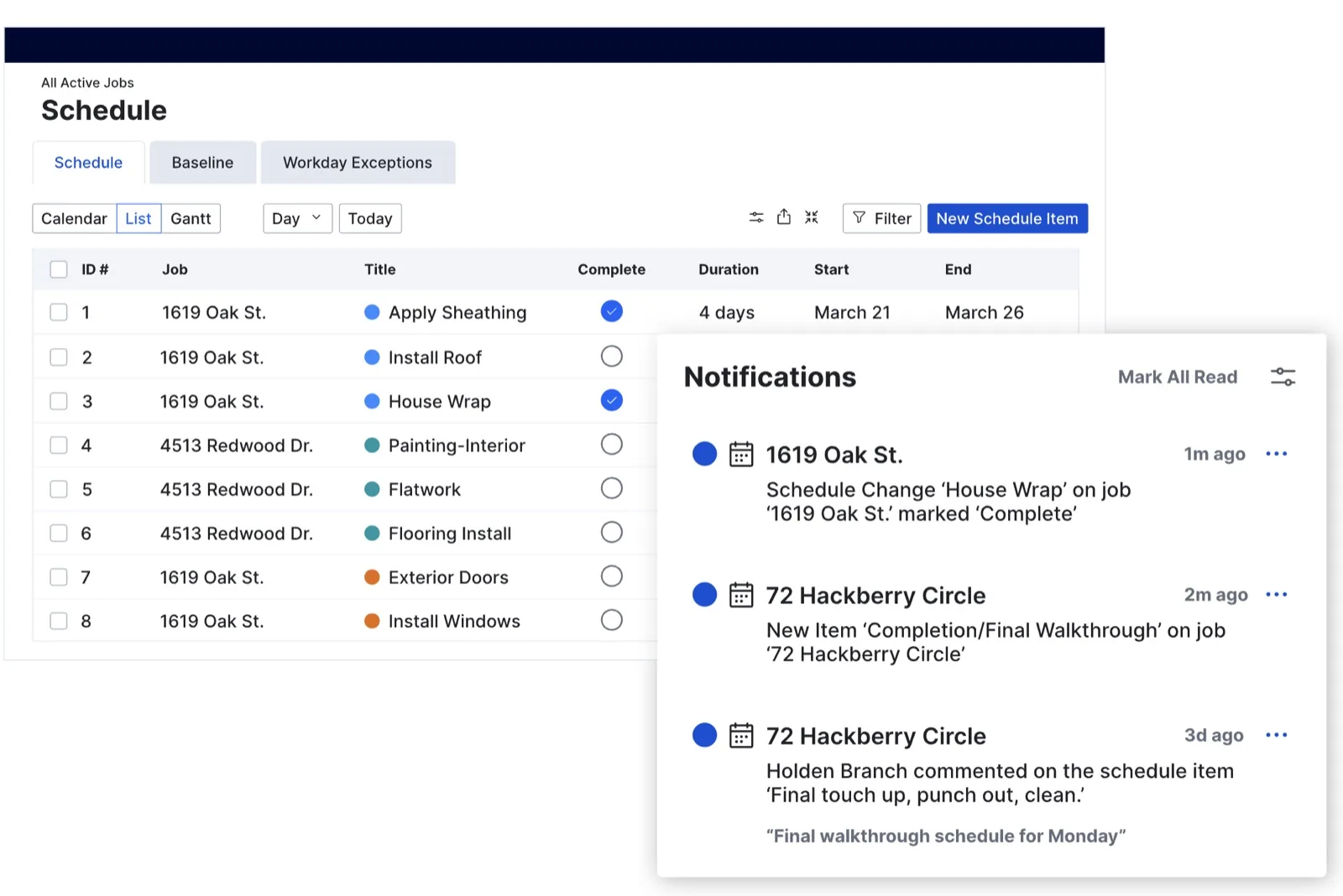
Buildertrend's desktop view, where the office picks up schedule changes and notifications. Source: Buildertrend
Buildertrend is job management software for homebuilders, remodelers and specialty contractors. Buildertrend's field update is the Daily Log: a foreman adds notes, photos and video from the phone and shares each log with the team, subs or the homeowner, with a notification on save. Buildertrend's iOS app rates 4.5 from 5.1K ratings, as of September 28, 2026.
Buildertrend's Daily Log has four core fields (title, job, date and notes) plus tags and attachments. Weather fills in from the job's zip code. Custom fields turn the log into a light form, such as a dropdown of the equipment used that day.
Buildertrend gives each log a share toggle with three audiences: internal team members, subs and vendors, and the homeowner. With that permission on, subs can also comment to the owner on a log.
Buildertrend's homeowners sign into the same app to see the schedule and progress photos, approve selections, send messages and pay. An approved selection updates the job costing budget, with any overage tracked against the allowance.
Key features
Tasks, which replaces To-Do's, accepts a pasted punch list and assigns each item to a team member, sub or client.
Photos and PDFs can be annotated on mobile, and an RFI can be created straight from a photo.
Storage for photos, videos and documents is unlimited on every job.
The mobile time clock logs breaks, cost codes, notes and tags, with Quick Switch between jobs and shift approval from the phone.
Pros
Cons
Per-log visibility for the team, subs and homeowner, with notify on save
Weekly homeowner summaries drafted from Daily Logs
Unlimited users and projects on every quote
No published price and no free trial
Offline covers Daily Logs and Time Clock only
Location is captured only at clock-in and clock-out
Built mainly for residential builders; commercial support is newer
Reviewers complain about frequent interface changes
Pricing
Free trial or free plan: No free trial or free plan. Buildertrend offers demos and a virtual tour instead.
Custom quote: Quote only, based on builder type, annual revenue and business needs. Every plan includes the full collection of lead, project, financial and client management features, with unlimited users and projects.
Onboarding: Two support levels, quoted with the plan. From initial setup and independent learning up to financial setup and personalized coaching.
Buildertrend publishes no prices: you answer four questions about your business, then get a custom quote on a call, with 10% off when you pay annually upfront. The Essential, Advanced and Complete tiers other roundups quote at $499 to $1,099 a month are retired. Third-party estimates put a mid-size builder at roughly $8,000 to $14,000 a year. A 2026 Capterra reviewer reports an annual contract being enforced, so ask about contract terms before you sign.
What real reviews say
”
I'm able to manage subs, monitor progress and update homeowners in real time with live changes to the schedule all from the same platform.
Ben T. · Renovation project manager, construction · Capterra · 2025-07-03
”
The app is very slow on your phone and it will take forever to upload photos and it will crash at the end without uploading.
Moe K. · App Store reviewer · Apple App Store · 2026-08-11
Why we picked it
Buildertrend earns its place for the homeowner loop. AI Client Updates drafts a weekly homeowner summary from Daily Logs, the schedule, change orders and invoices, looking one week back and one week ahead. The builder edits it and publishes it to the Client Portal. Buildertrend says that takes about 6.5 minutes, against 30 to 60 before.
Buildertrend's own launch release says only 33% of projects with client access got even one Daily Log update in the prior year. The software can deliver the update. Someone in the field still has to write it.
Buildertrend works offline only for Daily Logs and Time Clock, held as pending sync until signal returns, on app version 9.15 or later. The crew member must already be signed in before losing connection, and the app signs out after 30 days. Video recorded inside the app caps at 5 minutes, against 15 minutes from the camera roll.
Buildertrend's roots and most of its features are residential. It also quotes commercial GCs and specialty contractors, so test whether its commercial workflows fit. Skip it if you mainly need a crew time and photo app. Its time clock records location only at clock-in and clock-out, with nothing in between. A punch outside the radius is still recorded, with a yellow pin and an alert to admins.
3. Procore — Best for commercial general contractors who need a formal daily log
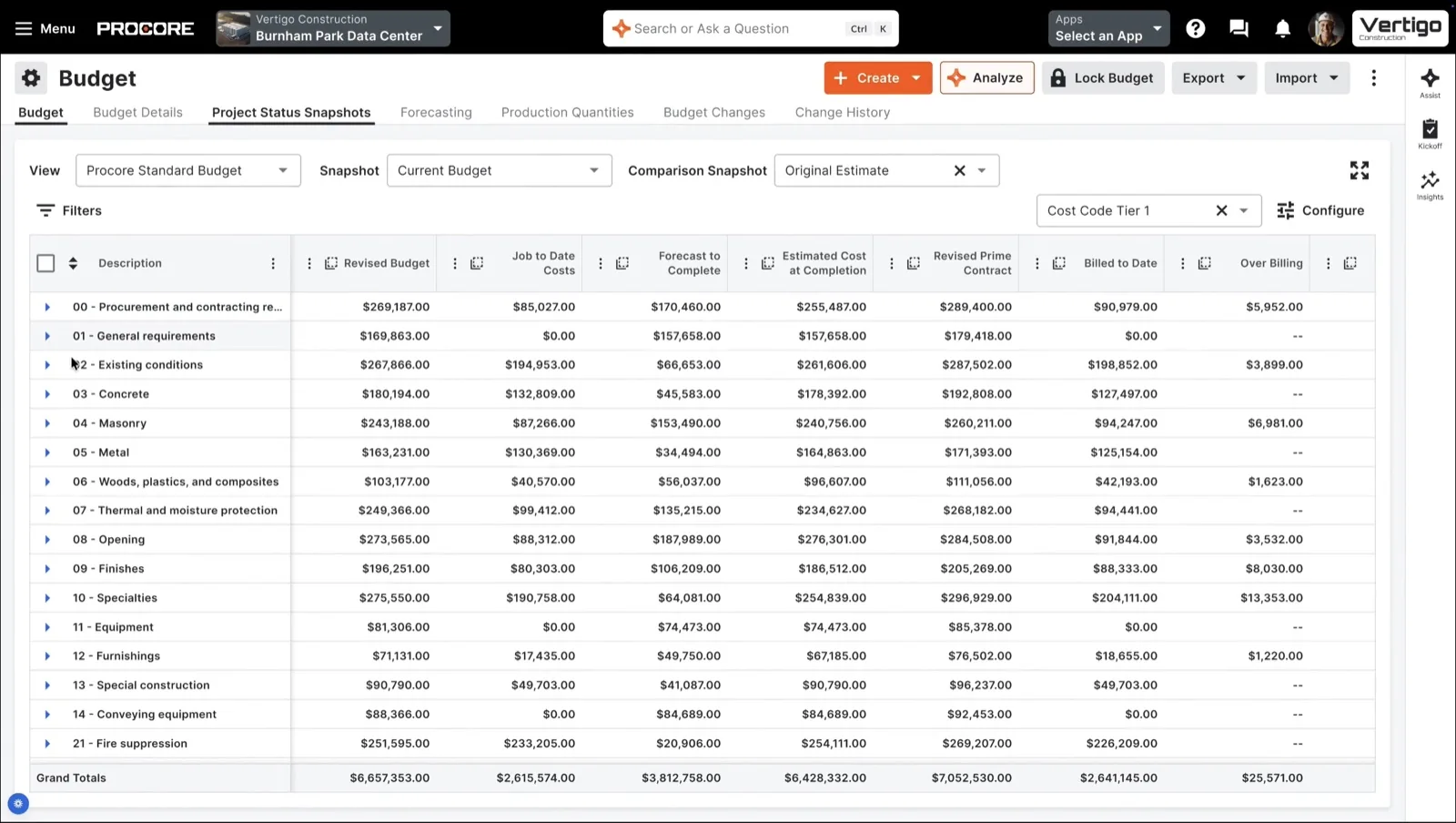
Procore's Budget tool, where job-to-date costs roll up by cost code. Source: Procore
Procore is construction management software for owners, general contractors and specialty contractors. Procore's field update is a Daily Log of about 20 sections, from manpower by company to delays and photos, which reaches the office distribution list when someone marks it Complete and distributes it. Procore's iOS app rates 4.6 from 46,277 ratings, and Google Play sits lower at about 3.8 from 3.25K ratings, as of September 28, 2026.
Procore pulls weather in for the project's location. Manpower is logged by company, with worker count, hours and cost code, and a banner flags companies that were on yesterday's log but not today's. When the Timesheets tool is active, it fills the log's Timecards section automatically.
Procore lets subs write their own entries through Collaborator Entry once an admin turns it on. Field users need Standard or Admin permission to add entries; a Read Only seat can only view. Photos carry GPS, date and direction stamps and can become a punch item, observation or RFI from the phone.
Quick Capture turns a recorded video into a punch item, filling the title and description from the spoken audio.
QR codes start a punch item from the field, even offline, and punch items can be pinned to drawings.
Inspections take pass, fail or N/A per item with comments and photos, offline too, and a failed item can spawn an Observation.
Drawings keep every revision available offline on the phone.
Pros
Cons
About 20 configurable Daily Log sections
Unlimited users, including subs, clients and vendors
Subs can file their own log entries
A photo becomes a punch item, observation or RFI in one step
The office gets the log only on Complete & Distribute
Forms and inspections sit in a separate product
Offline works on cached items only; existing forms can't be edited
No published price, and the AI Daily Log Agent costs extra
Pricing
Free trial or free plan: Procore's pricing page lists no free trial or free plan.
Project Management: Quote only, annual, based on construction volume. Daily Log, Punch List, Photos, Drawings, RFIs, Timecard, Tasks.
Quality & Safety: Quote only, annual, based on construction volume. Adds Forms, Inspections, Observations and Incidents.
Digital Coworker (AI agents): Quote only; 6-month flat-rate Starter Pack or 12-month credit-based plans. Includes the Daily Log Agent. Sold separately from Project Management.
Every contract includes unlimited users and storage, 24/7 support and implementation. Third-party estimates vary widely; Procore publishes no prices.
What real reviews say
”
The best thing about Procore is the real time updating of drawings and progress pics so everybody on my team knows where we stand without having to reach out and start an email chain.
Joe W · Assistant project manager, construction · Capterra · 2026-06-01
”
In order to be able to simply create and submit a daily report I’m having to do different tasks between the online portal, the Procore App on my IPad, and then the Procore app on my phone.
Heading whetstone · App Store reviewer · Apple App Store · 2026-08-21
Why we picked it
Procore is here for the commercial GC whose daily record has to stand up later. Manpower by subcontractor company, sub-written entries and unlimited external users all sit in the same record as RFIs, submittals and drawings.
Procore's office team sees a finished Daily Log only when someone marks it Complete and distributes it. Procore's documentation describes no scheduled end-of-day send, though an Email button sends a log to project users on demand. A date-range export arrives by email as a zip of daily PDFs.
Procore sells Forms, Inspections and Observations in Quality & Safety, not Project Management. A buyer quoted for Project Management gets the Daily Log and Punch List but not custom forms. The AI Daily Log Agent, which drafts a log from field photos, video and notes for a person to verify, is sold separately through Procore's Digital Coworker plans (a 6-month flat-rate Starter Pack, or credit-based plans on 12-month terms).
Procore works offline only with what the phone cached while it had signal. New Daily Log entries and inspections can be created offline and sync later. Forms need their template downloaded first, and a form already created or completed cannot be edited offline. Smaller self-performing crews will pay for sub-management depth they may not use.
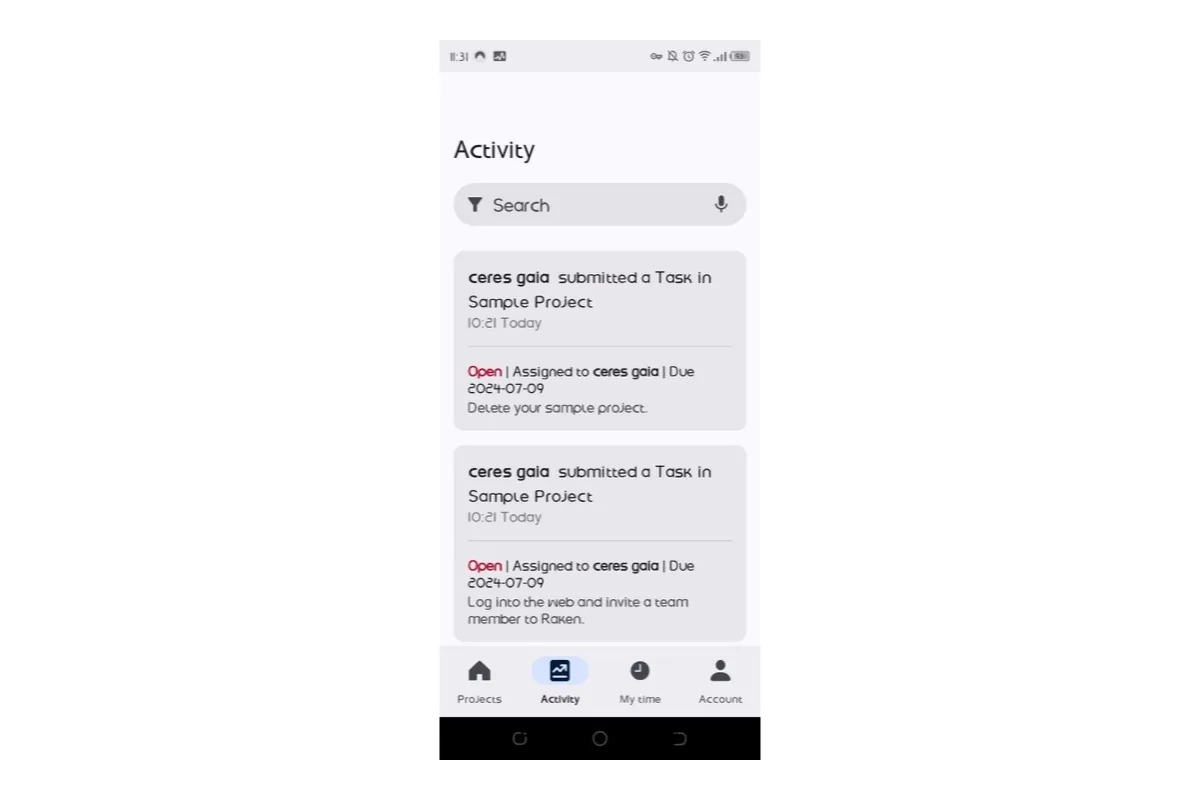
Raken is a construction daily report app for commercial field teams: the foreman builds the day's report on the phone, signs it, and the PDF goes automatically to the project's distribution list. Raken's iOS app rates 4.75 from 22,433 ratings, and Google Play shows 4.3 from 2.63K reviews, as of September 28, 2026.
Raken lets anyone with project access build a report per date on the phone: work logs, notes tagged as notes, safety or quality, photos and video from the camera or files, and survey questions. Weather delays go in as a survey answer, not a field. Raken's feature page says photos, videos and attachments are time-stamped.
In Raken, signing the report is what sends it. The signer taps Sign and complete, uses a saved Quick sign signature or draws one, and the PDF goes to the distribution list. Subcontractors can file their own dailies, and a Super Daily merges them with the company report into one PDF once each has submitted for that date.
Segmented reports split a day's report by supervisor, shift or location.
Kiosk time tracking needs Performance but not the Time Clock add-on.
OSHA submit files injury and illness records to OSHA's Injury Tracking Application.
Pros
Cons
Signed daily PDF goes to the distribution list automatically
Subs file their own dailies, merged into one report
Daily reports and photos on every plan
Performance, which holds time cards and safety forms, has no published price
The GPS clock needs a Time Clock add-on on top of Performance
Offline caps at 5 projects
Standard dailies send only on signature, not on a schedule
Pricing
Free trial or free plan: Capterra lists a free trial; Raken's own pricing page offers a demo.
Basic: Quote only (last published $23 per user per month, annual). Daily reports, photo and video gallery. No time cards.
Performance: Quote only (last published $59 per user per month, annual). Adds time cards, production tracking and safety forms.
Time Clock add-on: Price not published. Needed on top of Performance for the GPS mobile clock.
The last published figures, recorded in Workyard's Raken review in August 2026, carried a 3-user minimum and may have changed.
What real reviews say
”
The amount of information and communication a single pdf could provide was incredible.
Austin T. · Project manager, commercial real estate · Capterra · 2026-03-04
”
The app used to work flawlessly. Now, every time they send out a new feature or update it creates multiple other issues.
Davesabe04 · App Store reviewer · Apple App Store · 2026-05-20
What contractors told us about Raken
Themes from anonymized Workyard research conversations, with mention counts.
GPS time tracking falls short 4 mentions
Raised by a customer, two churned accounts and a prospect. Raken's December 2025 release added enhanced geofencing, so part of this may be dated.
”
Raken couldn't show precise location, including workers clocking in before they reached the site.
Churned customer - Outdoor living and hardscape builder
Reports that hold up later 3 mentions
A current customer valued the reports as a record after the job, not just a daily update.
”
Raken's reports look great and are useful when dealing with damage claims.
Current customer - General construction
Paying for features they don't use 3 mentions
A small residential remodeler said they use about a quarter of the suite; another customer put the cost at about $3,800 a year.
”
They use only about a quarter of what Raken offers, and paying for the rest is ridiculous.
Current customer - Residential exterior remodeler
Why we picked it
Raken is the pick for daily reports because the report is the product. Raken's help centre says the standard daily goes out on signature, not on a timer. Scheduled email covers only Manpower and Project Summary reports. AI daily summaries, added in December 2025, highlight key insights and flag issues from the day's report.
Raken no longer publishes plan prices. Its pricing page now shows a phone number and a demo button. The help centre is clear about gating, though. Daily reports are on all plans. Time cards in every form need Performance, and the GPS Time Clock needs Performance plus a Time Clock add-on. Checklists, toolbox talks, observations and incidents are Performance-only too.
Raken works offline for your top 5 projects only, picked by latest activity. Entries save locally and sync automatically when signal returns. Generating or downloading a report needs a connection.
Skip Raken if you need continuous GPS tracking. It was the most-raised weakness in the conversations below, though Raken's December 2025 release added enhanced geofencing. The same release added OSHA electronic filing and QuickBooks Desktop and CMiC connections.
5. Fieldwire — Best for plan-based task and punch updates
Plan markup in Fieldwire's mobile app, from our September 2026 trial.
Fieldwire, owned by Hilti since a 2021 deal worth about $300 million, is built around the drawing. In Fieldwire, a field update is a task pinned to a location on the drawing, with photos, a markup and a status change the office sees on the same sheet. The activity feed logs every change, so the office can see who updated what and when. Fieldwire's mobile app rates 4.83 on the App Store from 13,805 ratings and 4.4 on Google Play from 4.9K reviews, captured September 28, 2026.
Fieldwire tasks do most of the work. Fieldwire's documentation positions them as punch items, inspection observations, safety issues and daily progress entries, and each task carries status, assignee, checklist, manpower and cost fields. Checklists come on every plan, including free Basic, so the no-cost route to a structured field check is a task checklist.
Fieldwire's formal daily report is a Form, with a template covering weather, delays, accidents and injuries, and forms can go out for Docusign e-signature. Custom forms are listed on Business at $64 per user; on the free plan the Forms module was locked in our trial. Fieldwire has no GPS time clock: its Timesheet is a form.
Plan markups stay attached to the sheet instead of becoming a separate image.
Photos are project records that show their tags and the plan, task or form they link to.
Form templates cover daily reports, safety audits, QA/QC inspections, T&M and timesheets.
GPS and date stamps on photos, from Pro, carry into reports and form exports.
AI photo tagging labels uploaded images by what they show.
Pros
Cons
Plan-pinned tasks show the office exactly where each update happened
Offline round trip passed on mobile in our test
Free Basic plan covers tasks, photos and checklists
Tasks double as punch items, observations and progress entries
Custom forms are listed on Business at $64 per user; the Forms module was locked on the free plan in our trial
The browser does not work offline, and projects can't be created offline
No GPS time clock or payroll; its timesheet is a form
Basic's 3-project cap counts archived projects
Pricing
Free trial or free plan: Yes, a free Basic plan for up to 5 users, 3 projects and 100 sheets, with no card required.
Basic: $0. Plan-pinned tasks, photos, checklists and mobile offline mode.
Pro: $39 per user per month, billed annually. Adds reports, exports, sheet compare and photo GPS stamps.
Business: $64 per user per month, billed annually. Adds custom forms, custom task fields, 360° photos and integrations.
Business Plus, at $89 per user per month billed annually, adds RFIs, submittals, change orders and budget. Monthly billing costs more: $79 per user on Business in our trial. Custom pricing starts at 50 licenses.
What real reviews say
”
Task assignment, plan viewing, and real-time updates help streamline project management, especially when handling multiple jobs or coordinating with different teams.
Murtaza L. · General manager, construction · Capterra · 2026-03-31
”
Constant freezing and crashing, pictures disappear after adding them or are assigned to random pins.
allioucious · App Store reviewer · Apple App Store · 2026-04-27
Why we picked it
When we tested Fieldwire on the free Basic plan, the offline round trip held up on mobile. With the phone offline, we opened a downloaded project, added task content and a photo, and marked up a plan. After reconnecting and syncing, the web app showed all three, with no manual recovery. Fieldwire's docs add that tasks created offline get their final task numbers only on reconnect.
Fieldwire can't create a project offline, and its browser version stalled without a connection in our test. The app showed an internet-required message for a new project, and desktop project areas sat in a loading state. Offline work belongs on the phone, on projects downloaded before signal drops.
Fieldwire's sidebar oversells the free plan. Our Basic project listed 11 modules. Forms and 3D Models opened Business upgrade screens, and RFIs, Submittals, Change Orders and Budget opened Business Plus screens. Pro at $39 adds reports, exports and GPS and date stamps on photos. Custom forms and integrations are listed on Business at $64, 64% more per seat.
Fieldwire suits crews whose day revolves around plans, punch work and site observations, especially in low-signal areas. Skip Fieldwire if you need crew hours, payroll or labor cost in the same app. Don't expect free Basic to run a live team either: it caps at 5 users, 3 projects and 100 sheets, and in our trial archived projects counted toward that cap.
6. CompanyCam — Best for jobsite photo documentation
A completed checklist in our CompanyCam web trial.
CompanyCam is a jobsite photo app: crews shoot GPS- and time-stamped photos and video into a project, the office sees them in the company feed, and a live Project Timeline link shows the customer each new photo. The stamps are set at capture, not at upload, so a photo sent hours later still carries its field time. CompanyCam's app rates 4.8 on the App Store from 30,491 ratings and 4.7 on Google Play from 7.9K reviews, captured September 28, 2026.
A CompanyCam project also holds Documents, Checklists, tasks and a comment thread with mentions. Daily Log and Summary templates use AI to build a report from a day's photos, with tasks completed and a list for tomorrow. Video length is a plan limit: the plan cards in our trial showed 5 minutes on Core and 10 on Crew.
Our CompanyCam test was web only, on a Scale trial. We did not upload a photo or install the mobile app, so capture, offline and upload behaviour here come from CompanyCam's help centre and reviewers. As of September 28, 2026, CompanyCam's Time Tracking is in free Early Access, and the help centre says plan availability is subject to change.
Checklists can require photos before a task counts as complete.
Tags sort photos, and project Labels become columns on Project Boards.
The App Marketplace connects Jobber, JobNimbus, JobTread, QuickBooks Online and Google Drive.
Time Tracking exports a CSV for payroll and alerts after 9 or more hours.
Pros
Cons
GPS and time stamps are set at capture, not upload
Customers can follow a live photo timeline
Photos Required blocks checklist completion without evidence
Connects to Jobber, JobNimbus, JobTread and QuickBooks Online
Team checklists and auto job reports start at $119 per month
Checklists cannot be created or edited offline
Reviewers report photos that fail to upload
Time tracking is an early-access beta with no cost codes
Pricing
Free trial or free plan: Yes, a 14-day free trial with no card required.
Core: $63 per month billed annually, 1 user. Timestamped photos and video, offline capture and live client updates.
Crew: $119 per month billed annually, 3 users. Adds shared checklists, auto job reports, task assignment and live map.
Scale: $249 per month billed annually, 3 users. Adds unlimited templates, subcontractor access controls, LiDAR and e-signatures.
Extra users cost $29 per month on annual billing or $34 monthly. Monthly plans are $79, $149 and $299. Enterprise, for 50+ users, is quote only.
What real reviews say
”
We love that we can now communicate in real time (with photos) with our customers while we're working on their properties.
Angela N. · Accounting, construction · Capterra · 2025-04-04
”
Over the last 6 mos the app has stopped uploading all the photos to a project.
tl78741 · App Store reviewer · Apple App Store · 2026-01-08
What contractors told us about CompanyCam
Themes from anonymized Workyard research conversations, with the number of companies behind each theme.
Kept for photos alongside a field system 18 mentions
18 companies said they keep CompanyCam for photos next to their field software.
”
Photos were the one gap they saw, so they would probably keep CompanyCam, which does an amazing job at that.
Stone and masonry - Owner, prospect
Why we picked it
When we tested CompanyCam checklists on the web, Photos Required did what it says. Completion was blocked with the message "You must add photos to complete this task." In our trial, a document exported to PDF saved to the project's Documents tab, and Request Signatures opened an embedded Dropbox Sign flow.
CompanyCam works offline only in the mobile app, caching up to 60 recent, starred or assigned projects. Its help centre says photos, videos, clock-ins and task updates wait in an upload queue until signal returns. You cannot create, edit or delete a checklist offline. Some App Store reviewers report photos that never finished uploading.
CompanyCam's $63 headline price covers one user on Core. Shared checklists, auto-generated job reports, task assignment and the live job map start on Crew at $119 per month for 3 users, plus $29 per extra user, so a 15-person crew pays about $467 per month. Our trial also billed Marketing Suite as a $99 monthly add-on even though onboarding called it included.
CompanyCam suits roofing, restoration, solar and HVAC trades that mainly need visual proof. With no crew scheduler, cost-code labor costing or payroll rules, teams that need payroll-ready hours run CompanyCam next to another system.
7. Jobber — Best for home service visits
Jobber's day view of the team's scheduled visits. Source: Jobber
Jobber is built around the single service visit. Jobber's field update happens on the visit: the technician adds notes, photos and checklist answers, taps Complete Visit, and the client gets an on-my-way text linking to the client hub. In Jobber's documentation, notes are internal by default; photos reach the client when attached to a quote, invoice or email. Jobber's field app rates 4.81 on the App Store from 21,052 ratings and 4.38 on Google Play from 6,796, captured September 28, 2026.
Jobber's client side is its strongest part. The on-my-way text links to a client hub showing appointment details and the assigned team, and the hub handles quote approvals and invoice payments. Jobber's feature page does not describe clients seeing job photos, notes or checklists. Checklists, renamed from job forms, support required questions, signatures and up to 10 photos per image question, with markup.
Jobber's closest like-for-like alternative for home service companies is Housecall Pro, and our Housecall Pro review compares the two.
Notes with photos attach to the client, quote, job, visit or invoice they belong to.
Completed checklists download as a PDF or go to the client by email.
Location timers on Grow auto-start within 200 m of an assigned visit.
Recurring jobs create visits automatically, and Grow adds route optimization.
QuickBooks Online sync starts on Connect.
Pros
Cons
Timers, checklists and notes work offline
Client hub covers on-my-way texts, quote approval and payment
Required checklist questions with photo markup and signatures
Published prices and a no-card trial
The trial runs on Grow, so trialists see features the $139 Connect plan lacks
GPS is event pins, and geofence timers need signal
Only the 100 most recent notes show per job
No daily log or cost-code job costing for multi-week work
Pricing
Free trial or free plan: Yes, a 14-day free trial on the Grow plan with no credit card required.
Core: $49 per month, 1 user. Notes on jobs and visits. No checklists or time tracking.
Connect: $139 per month, 1 user. Adds checklists, time tracking and QuickBooks Online sync.
Grow: $199 per month, 1 user. Adds GPS tracking, location timers, route optimization and job costing.
These are monthly list prices for 1 user. Jobber prices Connect in 1, 5, 10 and 15-user bundles ($139, $199, $299 and $399), and each added user is $29 per month. Plus, at $499 per month for 5 users, adds crew clock-in and unlimited photo and video storage. Jobber's 1-year monthly commitment keeps billing until month 12 if you cancel early.
What real reviews say
”
I love that Jobber keeps so much of our business organized in one place.
Cheryl H. · CEO, construction · Capterra · 2026-09-22
”
It crashes often, losing data in whatever quote is being created.
Luke P. · Google Play reviewer · Google Play · 2026-09-11
Why we picked it
Jobber keeps timers, checklists and notes with attachments working offline, and its help centre says they sync automatically on reconnect. The app shows a banner with the time the device went offline. Location timers, Jobber's geofence auto clock-in, need an active connection, so they stop without signal, and they auto-start only for a worker assigned to the visit.
Jobber's GPS means event pins, not a breadcrumb trail. A waypoint drops only when someone clocks in or out, starts or stops a visit timer, adds a note or completes a visit, and Jobber warns that pins can miss on weak data. Continuous vehicle tracking runs through integrations such as FleetSharp.
Jobber's $49 Core plan has no checklists or time tracking. Checklists start on Connect at $139 per month, while location timers and job costing need Grow at $199, the plan the 14-day trial runs on, so a trialist sees features Connect lacks. Below Plus, each worker runs their own timer, because crew clock-in is a Plus feature.
Jobber has no daily log, and a multi-week remodel becomes one job split into many visits. Only the 100 most recent notes show on a single item, so a long job drops its early notes from that screen. Jobber's job costing subtracts tracked labor, materials and field receipts from the job price for a live margin, not budget against actual by cost code.
8. ServiceTitan — Best for large trade service companies
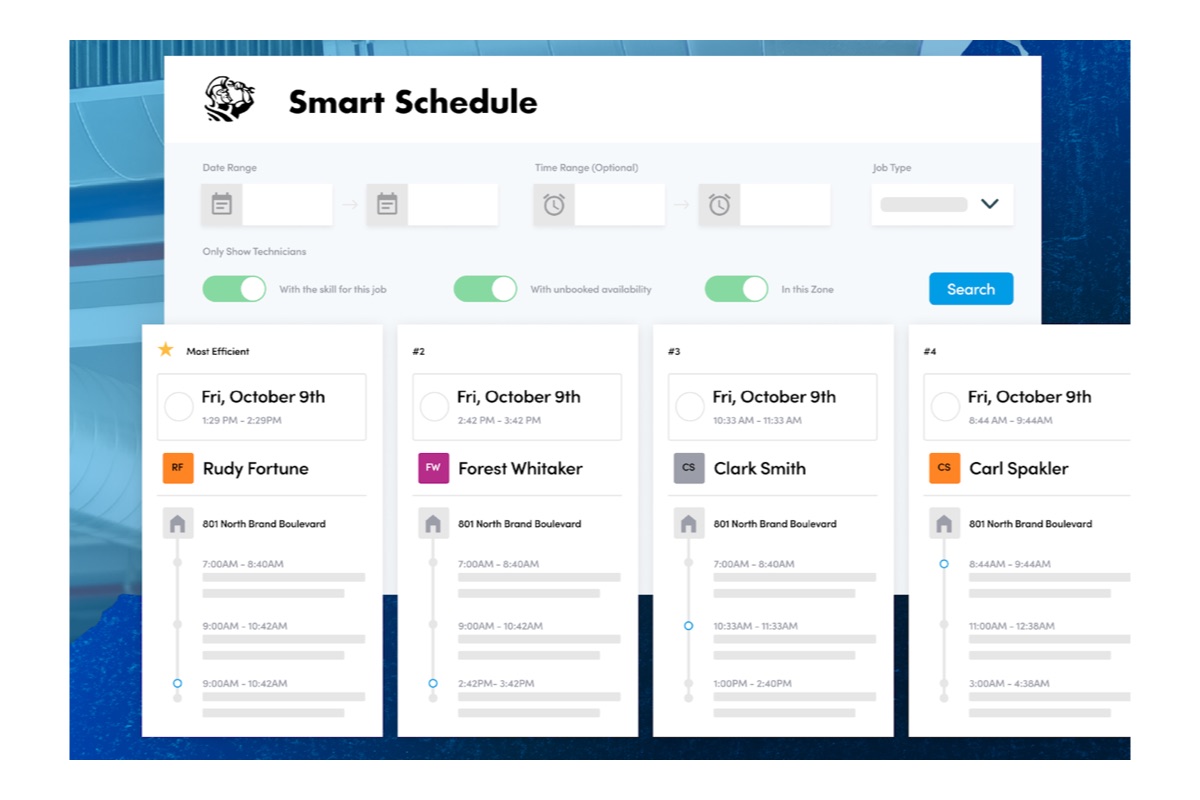
ServiceTitan's Smart Schedule suggests technician slots for a job. Source: ServiceTitan
ServiceTitan runs field updates through a job status workflow in its Field Mobile App. A technician taps Dispatch, Arrive and Closeout, and the app auto-arrives them within 125 meters of the service location. Photos added to forms land in the job's Files tab, with markup for shapes, text boxes and freehand drawing.
ServiceTitan lets the office force a form at arrival. A required arrival form must be completed when the tech taps Arrive, which ServiceTitan pitches for safety and hazard checks before work starts. Customers get an automatic on-the-way text, and arrival tracking adds the tech's photo, distance and ETA. A crew lead with Flexible Timekeeping can dispatch, arrive and close out a whole crew at once.
ServiceTitan began in residential plumbing and now sells to commercial and construction contractors. Its 2025 and 2026 construction releases added daily logs, RFIs, change order requests and submittals for Commercial Construction accounts, on the same database as service agreements.
Required arrival forms can trigger on every appointment and for each tech.
Uploaded PDF forms take signatures but not photos or video.
A form can't move between jobs; a misfiled form is refilled on the right job.
Multi-day crew jobs group under one crew with Foreman and Apprentice roles.
Construction daily logs cover work notes, materials, safety, weather and attachments, with office approval.
Pros
Cons
Required arrival forms enforce safety checks before work
Most field actions work offline
Customer arrival texts carry the tech's photo and ETA
Service and construction work share one database
No published price for any tier, no trial, and 12 to 36 month contracts
Construction daily logs cannot be submitted offline
Low iOS ratings during the field app migration
Construction features are recent, from 2025 and 2026 releases
Pricing
Free trial or free plan: No. ServiceTitan offers no free trial or free plan.
Starter: Quote only, per technician. Dispatching, scheduling, call booking, invoicing and pricebook.
Essentials: Quote only, per technician. Adds mobile estimates and payroll management.
The Works: Quote only, per technician. Adds advanced reporting, commission tracking and customizable memberships.
Implementation is guided rather than self-serve, and paid Pro add-ons include Dispatch Pro, Scheduling Pro and Fleet Pro. Projul's 2026 pricing analysis estimates about $245 to $400 per technician per month on annual contracts; that is a third-party estimate, not a ServiceTitan figure.
What real reviews say
”
ServiceTitan is a beast in that it encompasses everything you could need for your business - customer communication, invoicing, inventory, scheduling, etc.
Khiana K. · CSR and dispatcher, construction · Capterra · 2026-06-26
”
When you have 2 bars of signal it will constantly say you are offline then online, then won’t load estimates
Repairgamerguy · App Store reviewer · Apple App Store · 2026-08-16
Why we picked it
ServiceTitan is here for trade companies running service and install on one database. Its help centre says notes, photos, forms, equipment, invoice items and job closeout all work offline and sync on reconnect. Construction daily logs are the exception: users must be online to capture and submit them, and the office then approves each log, which locks it.
ServiceTitan has one offline trap worth training on. Tapping Download Pricebook with unsynced changes erases them, and ServiceTitan says they are not recoverable. Dynamic Pricing also needs a connection, so shops that work offline switch services to static pricing.
ServiceTitan publishes no price and offers no free trial. It lists Starter, Essentials and The Works as per-technician tiers behind a Request Pricing button. Its FY2026 10-K says fees are charged mainly per technician per month, on noncancelable contracts of typically 12 to 36 months that renew automatically. About 10,800 active customers, each over $10,000 in annualized billings, make up over 97% of its billings.
Skip ServiceTitan if you run a small crew or pure construction work. The field app is mid-migration from the legacy ServiceTitan Mobile. On the App Store, ServiceTitan Field rates 3.45 from 5,052 ratings and the legacy app 2.94 from 1,654, captured September 28, 2026. A recent App Store reviewer says the app flips offline and online on two bars of signal.
9. ClockShark — Best for simple GPS time tracking with job notes and photos
Photos and notes attach to the entry once the shift starts.
ClockShark is a GPS time tracker where a field update is a photo, file or 2,000-character note attached to the worker's running time entry, or a comment on the job's thread. ClockShark's help centre says timesheet notes and attachments reach the office at clock-out, while job comments post immediately.
In our trial on web and iOS, ClockShark's Attachments area opened a sheet with Take Picture, Add Photos and Add Files once we clocked in, so a site photo went straight onto the active entry.
ClockShark keeps the two channels apart: a timesheet note never appears on the job thread. Job comments take photos and @mentions, and a mentioned user is notified immediately on web and mobile.
ClockShark fits specialty contractors who want hours, schedules and payroll exports without a project management system. Its integrations page lists 13 connectors, including ADP, Gusto, Paylocity and QuickBooks. Skip it if the update must be a daily log or a formatted report.
Task Checklists hold up to 20 items per task on every paid plan, but run only in the mobile app, not on Kiosk or Crew Clock.
Crew Clock lets a foreman punch a whole crew from one phone using an Everyone checkbox.
JobReady, an AI daily brief an admin must switch on, shows the worker office notes and attachments before clock-in.
Geofences have a 100 m minimum radius and remind workers and alert admins, but never block a punch.
Pros
Cons
Photos and notes land on the timesheet line the office approves
Checklists and JobReady briefs on every paid plan
Crew Clock punches a whole crew from one phone
Checklist progress stays on the device until clock-out
The only structured form has three question types and no photo field
No daily log or formatted report, and photos carry no documented geotag
Timesheet notes and job comments don't cross-post
Pricing
Free trial or free plan: Yes, a 14-day free trial with every Pro feature and no credit card.
Standard: $42/month + $9.50 per user / month. Attachments, job comments, checklists, JobReady and Crew Clock.
Pro: $63/month + $11.50 per user / month. Adds Shift Wrap-Up forms, Mileage Tracking and time off.
A contract term of three years applies to all pricing plans, per ClockShark's pricing page. For a 20-person crew, Pro is $293 a month against Standard's $232.
What real reviews say
”
ClockShark has helped our field team manage their time in a very easy way, that in the office we are able to process payments securely and accurately thanks to the time tracking and attendance verification.
Marvin E. · Estimator, construction (2-10 employees) · Capterra · 2025-05-19
”
Not the best customer service and defiantly has server issues a lot
Cheyenne R. · Admin, construction (11-50 employees) · Capterra · 2024-10-22
What contractors told us about ClockShark
Themes from anonymized Workyard research conversations, with mention counts.
Easy for crews to punch in and out 15 mentions
”
The crew finds ClockShark easy to use.
Construction trades, customer
Crashes and glitches, including failed punches 49 mentions
The most-raised theme, clustering around payroll processing.
”
Crews sometimes try to clock in or clock out and can't.
Construction trades, customer
Clunky photo upload 11 mentions
ClockShark's docs now show a bulk ZIP download, which answers part of this.
”
Photo upload is clunky, with no easy preview and files downloaded one at a time.
Residential home services contractor
Why we picked it
ClockShark ties the evidence to the hours being paid. Photos, notes and checklist ticks sit on the same timesheet line the office approves. When we tested the mobile app, Who's Working Now showed each clocked-in worker's pin, current job and time on the clock.
ClockShark shows checklist results to the office only after the shift ends, and its docs say timesheet attachments are shared at clock-out, though the web map promises real-time thumbnails. Ask which applies before you count on a mid-shift photo.
ClockShark's only structured form, Shift Wrap-Up and Compliance, is Pro-only. It fires at clock-out or job switch and supports short answer, yes/no and multiple choice, with no documented photo or signature field. In our trial the form builder would not open: the JobFlow route returned a 404.
ClockShark holds mobile punches and checklists offline until the worker presses Sync. Kiosk Offline Mode shipped on 22 September 2026, but a force-closed kiosk loses unsynced data. Buyers rate ClockShark 4.7 on Capterra, while crews rate the field app 2.98 on the App Store (81 ratings) and 3.4 on Google Play (113 reviews), captured 28 September 2026.
10. Contractor Foreman — Best budget all-in-one for small construction businesses
Contractor Foreman's web dashboard. Source: Contractor Foreman
Contractor Foreman's field update is a six-tab Daily Log filled in from the phone, with weather recorded automatically and the day's time cards, safety meetings and inspections pulled in. It is a full job management suite priced per company, with a user cap on each tier. Its iOS app rates 4.3 from 548 ratings (App Store, captured 28 September 2026).
Contractor Foreman's Daily Log has Details, People, Material, Equipment, Notes and Files tabs, and also pulls in incidents and equipment logs when the project and date match. Photos taken in the app are filed to the right project folder, and since April 2026 the camera can annotate at capture and pick the project by GPS.
Contractor Foreman suits small general and trade contractors who want estimates, daily logs, safety and billing in one app at a flat price. Skip it if more than 15 crew need to clock in, since everyone who punches counts toward the plan's user cap, or if your sites run without signal.
Only project, arrival date and arrival time are required to save a daily log.
Crew cards let a supervisor clock in a whole crew, with GPS stamps and a per-project geofence that notes out-of-fence punches.
Materials marked delivered in a daily log update the related purchase order, if the PO is approved.
The client portal (Pro) emails the client if a portal message sits unread for five minutes.
Pros
Cons
Daily logs pull in hours, safety meetings and inspections automatically
Flat company price instead of per-seat billing, up to each tier's cap
Photo markup and GPS project selection at capture
800+ toolbox talks in English and Spanish
Daily logs start on Plus, not the $49 headline plan
Only time cards work offline, and they're still a Preview
User caps (8 on Plus, 15 on Pro) include every worker who clocks in
Client portal needs Pro at $221 a month
Pricing
Free trial or free plan: Yes, a 30-day free trial on annual plans.
Basic: $49/month billed annually (1 user). Projects, photo markup and estimates. No daily logs or time cards.
Plus: $166/month billed annually (up to 8 users). Adds daily logs, forms, time cards, safety meetings and inspections.
Pro: $221/month billed annually (up to 15 users). Adds the client portal and Time Card Manager.
Prices are per company with a user cap per tier: Standard is $105 (3 users) and Unlimited $332 (unlimited users). Implementation is $500, non-refundable, and free on Pro and Unlimited. The 100-day guarantee covers annual Plus and up (monthly Plus, Pro and Unlimited get 30 days).
What real reviews say
”
The app makes it easy to complete daily logs, upload photos, and access important project documents directly from a phone or tablet.
App Store reviewer · Apple App Store · 2026-03-26
”
I just tried adding a daily report and the app glitched and the only way to exit the loading screen was to crash the app. I had added one picture. The daily log didn't save, ugh.
Megan W. · Google Play reviewer · Google Play · 2025-10-14
Why we picked it
Contractor Foreman is the cheapest suite in this list that puts daily logs, time cards, 800+ toolbox talks, OSHA 300 incident logs and AIA billing in one app. The catch is which plan you are pricing.
Contractor Foreman's $49 Basic plan, the one roundups quote, has no daily logs, time cards or forms. The pricing page starts those at Plus: $166 a month billed annually, for up to 8 users. The client portal, where clients see shared daily logs and photos, needs Pro at $221. Plus was $125 a month when we last updated this page.
Contractor Foreman's knowledge base says anyone who clocks in or out must be a Contractor Foreman user, so a 10-person crew that all punch outgrows Plus and needs Pro. Punch lists sit one tier below daily logs, on Standard at $105 a month.
Contractor Foreman works offline for time cards only, still labelled a Preview, and its release notes say offline time cards will move to select plans later. The vendor's help article tells crews to take photos on the phone and upload them later on a stable connection. A daily log with more than 120 photos may fail to generate its PDF.
11. Assignar — Best for self-perform civil and heavy crews
Assignar's scheduler, where crews and equipment are allocated to jobs. Source: Assignar
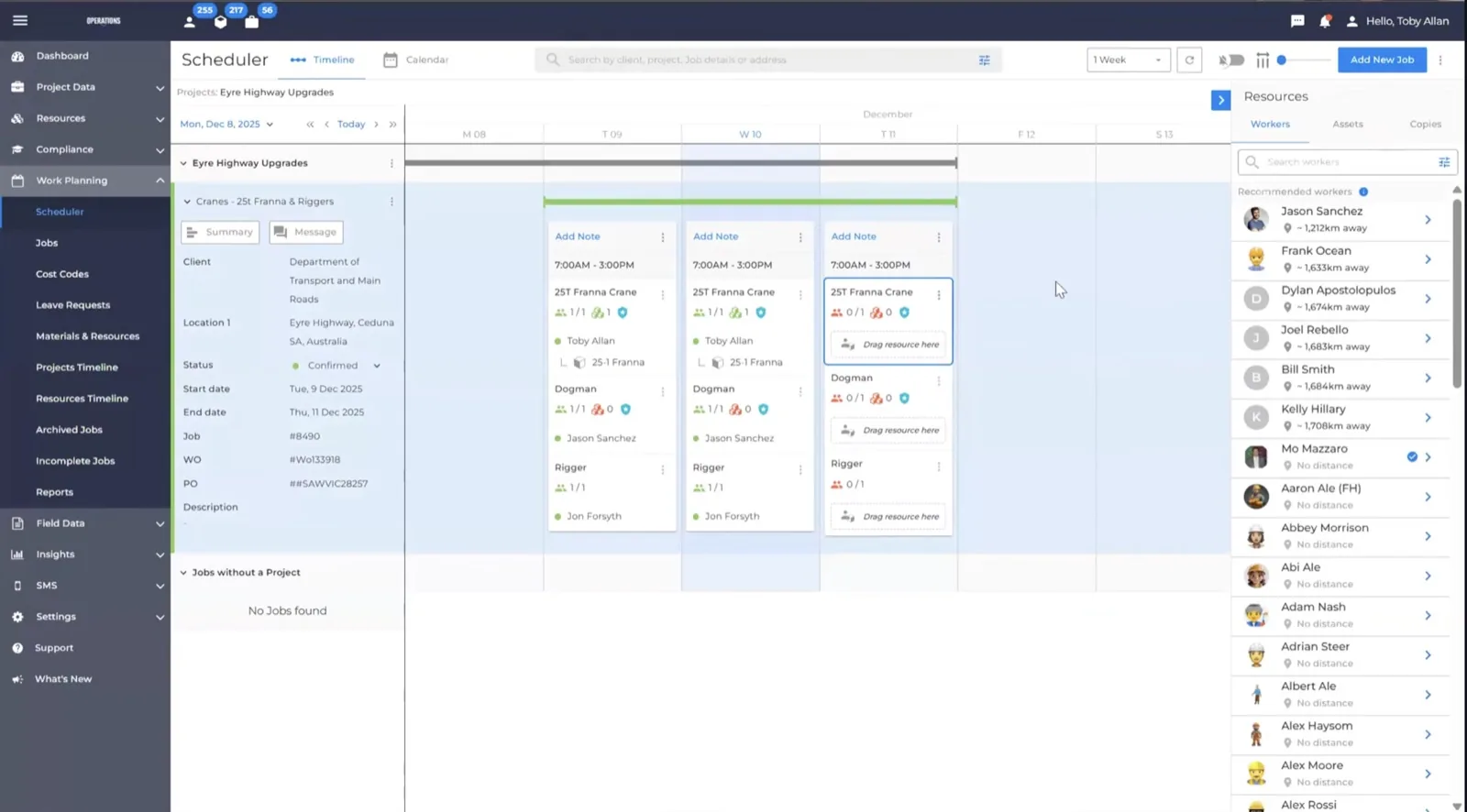
Assignar's field update is the Site Diary: at the end of a shift the supervisor bundles crew timesheets, quantities, notes and photos, the client signs on the phone, and the diary goes to the client as a PDF. Assignar sells scheduling and field paperwork to road and civil contractors who self-perform, in paving, earthworks, crane, traffic management and utilities.
Assignar's help centre says the Site Diary pulls in timesheets the crew has already submitted, plus progress, chargeable items, notes with photos, additional questions and weather. At Sign and Submit the supervisor picks client contacts, and the diary goes out as a PDF proof of work once an admin has set that up. A Processed status for office tracking arrived in March 2026.
Assignar workers file pre-starts, incident forms and dockets from the same app. A pre-start answer mapped to Needs Action flips the whole form to Needs Action, which is how a failed equipment check reaches the office.
Assignar is a poor fit for residential or service contractors who need client photo timelines, published pricing or a free trial. It publishes no prices and offers a test drive only after a booked demo.
Site Diaries export to PDF in consolidated, full or custom formats.
Forms reach workers three ways: attached to an order, attached to a role so they're added whenever it's scheduled, or granted by user tag.
Each order's Documents tab holds its timesheets, site diaries, forms and dockets together.
Diary additional questions became editable on the web in September 2026, not only on mobile.
Assignar Pay added timesheets to a Customer Portal for faster client approvals in May 2026.
Pros
Cons
Site Diary doubles as client-signed proof of work
Equipment moves with the crew in the Planner
Timesheets, most forms and some dockets work offline
Needs Action answers flag failed pre-starts to the office
Site Diary isn't on the documented offline list
Offline must be switched on before site, sometimes by Support
No free trial, and no published price for the line with Site Diary
Android app draws complaints about speed and orders not loading
Pricing
Free trial or free plan: No free trial or free plan. Assignar offers a test drive after a booked demo.
Custom quote: Contact Assignar for a custom quote. Assignar's pricing FAQ says pricing is tailored to your team's specific needs.
Assignar sells separate lines (Operations, Pay, CraneOps, InfraOps and TrafficOps, among others) and doesn't publish which one includes Site Diary, forms or the Customer Portal. Ask on the demo which line you need, and whether offline mode has to be enabled by Support on your account.
What real reviews say
”
Assignar was a great tool for our company enabling us to monitor compliance on the fly.
Matthew C. · HSE Advisor Specialist, renewables and environment (201-500 employees) · Capterra · 2025-02-03
”
Really bad when you're trying to go from job to job and you have to call the office for the job address because the orders won't load.
Scott W. · Google Play reviewer · Google Play · 2024-10-28
Why we picked it
Assignar is here because, for a paving or crane contractor, the field update is the billable record, and a client-signed diary is proof of work. In Assignar's Planner, equipment moves with the crew when you drag a job, and 2026 updates added bulk moves that respect non-working days.
Assignar's offline help article doesn't list the Site Diary among offline actions. It covers timesheets, forms (except collaborative forms) and dockets outside an assignment. Plan to submit diaries with signal, which means the office may see the day's report only once the supervisor is back in coverage.
Assignar's offline mode also has to be switched on before site. Workers tap Go Offline to preload assignments for three days either side, then Go Online to sync. If the button is missing, Assignar's help centre says your admin must ask Assignar Support to enable it, and a failed sync can only be fixed or discarded.
Assignar's store ratings trail its buyer ratings: 3.83 from 30 US iOS ratings (2.65 from 95 in Australia) and 3.5 on Google Play from 285 reviews, captured 28 September 2026, against 4.6 on Capterra. Store reviewers mostly cite slowness on Android and work orders failing to load in the field.
How to choose a contractor app
The right app depends on what your crews need to send and who needs to read it. Work through these seven steps in order.
1. Decide which job the app has to do
Start with the job that costs you the most time or money today, then shortlist from the matching category:
Budgets, schedules, change orders and client portals: Buildertrend, Procore or Contractor Foreman.
An update the office sees tomorrow is a record, not a warning, so check when each app actually delivers it:
As it's sent: CompanyCam, Fieldwire, and Workyard from the Pro plan.
On sign-off: Procore sends the daily log when someone clicks Complete & Distribute, and Raken sends it once it's signed.
At clock-out: ClockShark checklist progress stays on the worker's phone until then.
Pick from the first group if you need to catch a short delivery at 10 am. The second group's sign-off step is a feature when you need a clean, signed record for a GC or owner.
3. Price the plan that unlocks it, at your crew size
The advertised price is usually an entry plan that leaves out the update you want. Here is the monthly cost of the plan that includes field updates for one 12-person crew, using the prices shown on October 12, 2026:
Workyard Starter: $72 billed annually, for notes and photos on time cards. Daily reports and custom forms need the Smart Forms add-on, which has no published price
CompanyCam Crew: $119 for 3 users plus 9 at $29, so $380, billed annually
Jobber Connect: about $357 a month for 12 people ($299 for the 10-user bundle plus 2 at $29). Plus plans and annual billing differ.
Fieldwire Business: 12 at $64, so $768, billed annually
Contractor Foreman: Plus caps at 8 users, so 12 people need Pro at $221, billed annually
Then check contract terms. ClockShark applies a three-year term to every plan, and ServiceTitan's contracts run 12 to 36 months. Buildertrend, Procore, Raken, ServiceTitan and Assignar are quote-only, so ask for a quote at your size before the demo, not after.
4. Test offline in a real dead zone
Every app here has offline limits, and vendors describe them loosely. Run the same test on each shortlisted app before you buy:
Open the app on a job while you still have signal, so project data is on the phone.
Switch to airplane mode and log the update you care about most: a daily log, a photo, a checklist.
Try to submit it, then force-close the app.
Reconnect and check what reached the office, and whether anything needed retyping.
Step 3 matters. ClockShark says a force-closed kiosk loses unsynced data. Fieldwire, which passed this test in our trial, only gives offline-created tasks their final numbers once the phone reconnects.
5. Count who needs a seat
Seat rules change the real price as much as the list price does. Ask every vendor these four questions:
Does everyone who clocks in need a seat? On Contractor Foreman they do, and Plus caps at 8 users, Pro at 15.
How many users does the plan include? CompanyCam's Crew plan includes three, then $29 per user.
Can subs and clients join without a paid seat? Procore and Buildertrend include unlimited users.
Is there a free tier to trial with? Fieldwire's Basic plan allows 5 users across 3 projects.
6. Decide whether updates should reach the client
If client updates help you win and keep work, compare how each app gets them out:
Buildertrend shares daily logs through a client portal and homeowner app, and drafts client updates from them.
CompanyCam sends a live project timeline link that shows new photos as they're taken.
Jobber has a client hub and on-my-way texts for service customers.
Contractor Foreman's client portal needs its Pro plan.
Workyard produces client-ready PDF reports that you download and email yourself.
Buildertrend says only 33% of client-facing projects got a daily log update in a year before it added drafted client updates, which is the case for automating this step.
7. Connect updates to hours and job cost
A field update is worth more when it's tied to who was on site, when, and which job the labor belongs to:
Workyard ties notes, photos and GPS-verified time to jobs and cost codes, so an update also shows what the day cost.
ClockShark attaches photos and notes to the worker's active time entry.
Assignar ties the supervisor's site diary to crew timesheets and quantities.
If payroll and job costing are your biggest weekly headache, weigh this step most.
More questions about contractor and construction apps
How can the office see job progress without calling the field?
Pick an app that files each update against the job as it is sent, then check the job instead of your texts. CompanyCam's project feed shows photos as crews take them. Fieldwire logs every task change on the drawing. Workyard's Live activity feed on Pro shows task notes, photos and checklist ticks by job, next to a live crew map. Procore and Raken show the daily log only after someone distributes or signs it, so they tell you what happened, not what is happening.
Can field crews add job notes, forms and task updates from their phones?
Yes, in every app here, but each puts the update somewhere different. Workyard crews add notes and photos to their time card from the Starter plan and fill forms through the Smart Forms add-on. Fieldwire updates a task pinned to the drawing. CompanyCam adds photos and checklists to the job. Raken and Procore collect it in the daily log. For field documentation you can audit later, pick the app that files it against the job automatically.
Which apps combine field updates with GPS time tracking and payroll?
Workyard and ClockShark, Assignar for civil crews, and Jobber and ServiceTitan for service trades. The difference is what the update attaches to. Workyard ties notes and photos to GPS-verified time, jobs and cost codes, pushes schedules and tasks to crews from Pro, and exports hours to payroll systems such as QuickBooks, ADP, Gusto, Paychex and Paylocity. ClockShark attaches photos and notes to the active time entry. CompanyCam's time tracking was still an early-access beta as of September 28, 2026, and Raken's GPS time clock is a paid add-on.
When is Procore worth it over lighter apps?
When you're a commercial GC or large specialty contractor who needs formal daily logs with manpower by company and a record an owner will scrutinize. Procore prices on annual construction volume with unlimited users, which pays off when many subs and staff need access. For a residential builder or a ten-person specialty crew, the annual contract is usually more than the field-update job needs. Raken, Fieldwire or Contractor Foreman cover daily logs on smaller commitments.
Do contractor apps write daily logs with AI now?
Some do, usually as add-ons or betas. Procore's AI Daily Log Agent is sold separately through Procore's Digital Coworker plans (a 6-month flat-rate Starter Pack, or credit-based plans on 12-month terms). Buildertrend drafts client updates from daily logs. CompanyCam offers daily log and summary documents generated from photos. ClockShark's JobReady writes a daily brief for workers before they clock in. Treat all of these as drafting help. Someone still has to check the log before it goes to a GC or owner.
How do you roll a field app out to crews without pushback?
Start with one thing crews already do by text, such as sending end-of-day photos, and move only that into the app for two weeks. Watch the phone app, not the dashboard: ClockShark rates 4.7 on Capterra but 2.98 on the App Store, and Assignar 4.6 against 2.65 in Australia, which is where adoption problems show up. Tell crews what location data is collected and when, then add daily logs or forms once the habit sticks.
Workyard is our pick for contractors who need crews, hours and job costs in one place. For a single job, the best construction app is the one built for it: Buildertrend or Procore for project management, CompanyCam for photos, Raken for daily reports, Fieldwire for punch lists on drawings and Jobber for service visits.
Which contractor apps let crews submit daily reports from the jobsite?
Raken is the most focused construction daily report app: daily reports are on every plan, and the signed PDF goes to the project's distribution list. Procore, Buildertrend, Contractor Foreman, Fieldwire and Workyard also do daily reports, but check the plan: Contractor Foreman needs Plus at $166 a month, Fieldwire lists custom forms on Business at $64 per user, and Workyard needs the Smart Forms add-on. Our guide to field reporting software goes deeper.
Which construction apps are best for managing field crews?
Workyard is the strongest pick for crews spread across several jobs: Pro adds office-to-field scheduling, task notifications and a live crew map next to GPS-verified hours. ClockShark suits simpler GPS time tracking, with Crew Clock for a foreman punching the whole crew. For road and civil contractors, Assignar schedules crews with equipment and collects the supervisor's site diary. Jobber and ServiceTitan dispatch service technicians.
Do contractor apps work offline?
Partly, and every app here has limits. Fieldwire's mobile app worked offline in our test, but its browser version did not. Raken limits offline work to five projects. CompanyCam caches up to 60 projects but not checklist edits. Contractor Foreman works offline for time cards only. Assignar's offline help article doesn't list the Site Diary, and ServiceTitan's construction daily logs need a connection.
How much do contractor apps cost?
Published prices run from $6 per user a month (Workyard Starter, billed annually) to quote-only annual contracts for Procore and ServiceTitan. The number that matters is the plan that unlocks field updates: $166 a month on Contractor Foreman Plus, $64 per user on Fieldwire Business, $139 a month on Jobber Connect and $119 a month on CompanyCam Crew.
What is the best app for a small construction business?
Start with the update you send most. Contractor Foreman covers daily logs, time cards and safety forms for up to 8 users on its Plus plan. CompanyCam fits photo-heavy trades. Workyard's Starter plan covers GPS time tracking with notes and photos from $6 per user. Service businesses should compare Jobber and Housecall Pro.
Can subcontractors use a contractor app without a paid seat?
Sometimes. Procore and Buildertrend include unlimited users on a custom-quoted price, so subs can be added without per-seat fees. CompanyCam's live project timeline can be shared with clients and subs, Crew adds guest access, and Scale adds subcontractor access controls. Fieldwire's free Basic plan allows up to 5 users. Ask how subs are billed before you sign.
Which contractor apps send clients progress updates?
Buildertrend is the strongest for homeowners, with a client portal, a homeowner app and client updates drafted from daily logs. CompanyCam can share a live project timeline. Jobber has a client hub and on-my-way texts. Contractor Foreman's client portal needs its Pro plan. Workyard produces client-ready PDF reports that you send yourself.
Is there a free app for contractors?
Fieldwire's Basic plan is free for up to 3 projects, 5 users and 100 plan sheets, and includes tasks, photos and offline mobile work. CompanyCam's time tracking is free during its beta as of September 28, 2026, and the help centre says plan availability is subject to change. Several others offer free trials: 14 days on Workyard, CompanyCam, Jobber and ClockShark, and 30 days on Contractor Foreman's annual plans. Buildertrend, Procore, ServiceTitan and Assignar offer demos.
Is this list about apps to find contractor work?
No. Apps for finding work or hiring subs are marketplaces, such as Angi or ToolBelt. This guide covers apps contractors use to run their own jobs, crews and field updates. For a wider comparison of platforms, see our guide to the best construction management software.
Kyo Zapanta
Construction technology writer, 10+ years covering workforce management & SaaS
Kyo Zapanta is a B2B technology writer with more than 10 years of experience covering workforce management and SaaS. At Workyard, she writes about construction labor compliance, GPS time tracking, job costing, and crew scheduling. She has personally tested and reviewed more than 30 construction technology platforms, combining hands-on product research with a family background in carpentry and construction to connect software capabilities with the realities of field work.