
$123Ksaved with Workyard’s Smart Forms
"Smart Forms pays for itself through accurate invoicing, insurance savings, and keeping our business moving every single day."
Job hazard analysis software
Job hazard analysis software puts your JHA on the crew’s phones: the steps, the hazards and a control for each, signed before the work starts. Workyard opens yours at clock-in or when the crew reaches the job, and files it to the job with the photos and every signature.
$123Ksaved with Workyard’s Smart Forms
"Smart Forms pays for itself through accurate invoicing, insurance savings, and keeping our business moving every single day."

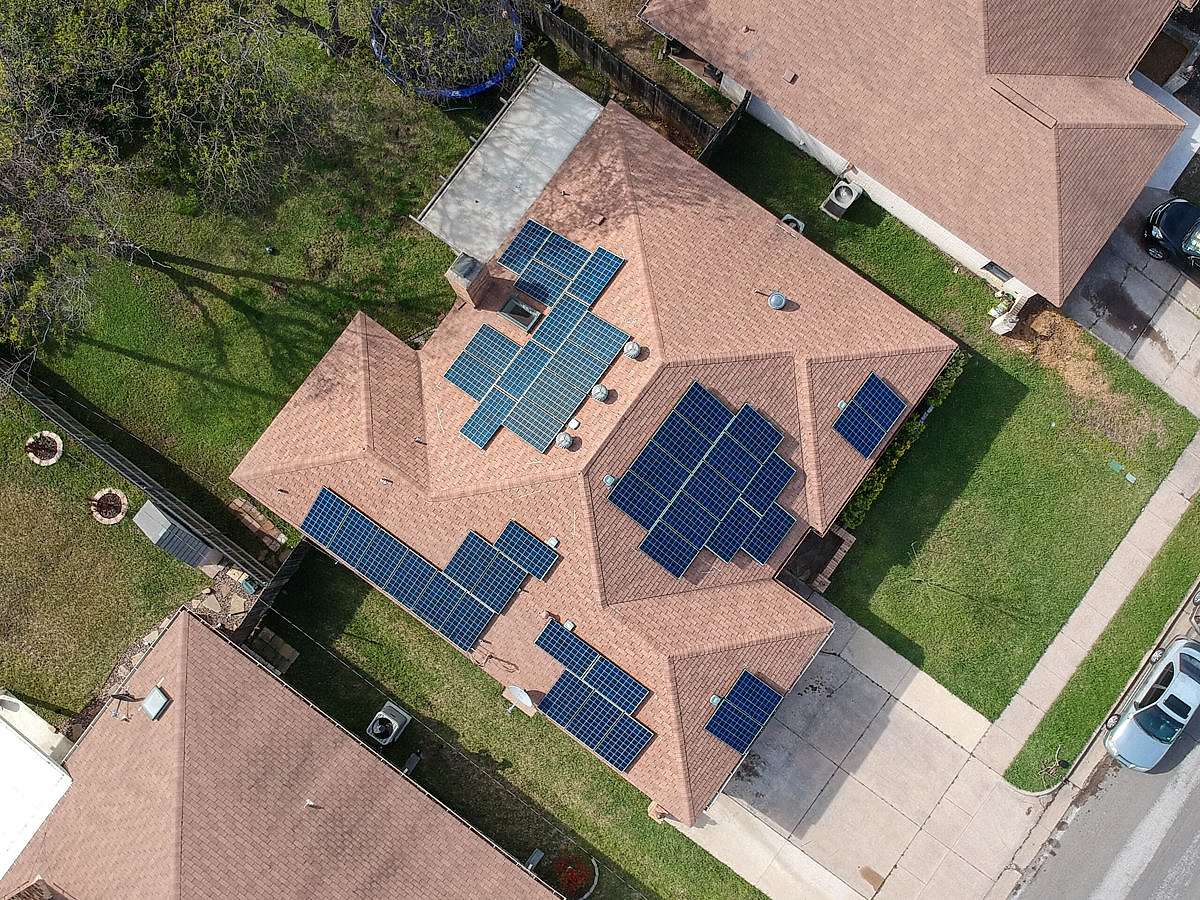
"I would probably ballpark it to be roughly about $5,000 and that's just something that we saw fairly immediate, where we were able to save roughly about five visits per job"
Victor Rodriguez, HR Field ManagerSynaptic Solar

"We wanted more than a time tracking app since many exist. We sought something that helps beyond just tracking time."
Brian Mata, Project ManagerWagler Custom Homes

100s of hrssaved a week routing supervisors by proximity
"It's preventing us from losing more on each project — saving us money."

"Of all the solutions we’ve been exposed to, Workyard is the best. It’s a good value for the money, and the team is always willing to work with you to meet your needs."
James Monzello, CFOGreen Wall Tech

2 weeksto roll out to all 120 crew
"You should ditch the paper, get rid of the other software, get on something that can track your crew's time, track your job costing, and save you real money."

15–20admin hours back every month
"If you have field crews, Workyard is one of those tools that pays for itself. It saves us hours every payroll, keeps everyone accountable, and gives us real-time visibility into every job."

How it works
A JHA and a JSA are the same idea under two names: the job’s steps, the hazards in each, and a control for every hazard. Workyard runs yours in the app your crew already clocks in on, and files every one to its job.
Snap a photo of your paper JHA, or upload the PDF, Word or Excel file, and the AI Form Builder turns it into a phone form with your steps, hazards, controls and sign-off lines. Or start from a JHA template for trenching, crane lifts, hot work or roofing. Check it and publish.

Pick who gets the JHA and when. At clock-in, it comes up as they start the day, and they can’t clock out with it still open. On arrival, it fires each time a clocked-in worker reaches the job’s geofence, so every site gets its own. Not done? A reminder goes out after 15, 30, 45 or 60 minutes.
Each step gets its hazards and a control for each, and required fields must be filled before it submits. Photos are a tap. Then the crew signs one after another on the foreman’s phone, so the JHA shows who was told.
Send every JHA to the people you name, a team, or the job’s project managers, by email and push. Mark the answers that matter, like a No to “811 marks on site?”, and they’re flagged to whoever has to act. Rather read them once a day? Pick the daily summary.
Trench JHA · sent to
6:54 AM
Every JHA files itself to its job with the date, the photos, the signatures and who filled it in. When the GC, an inspector or your insurer asks, filter by job, date or worker and send a clean PDF with your logo, or export the lot as a CSV.

The payoff
Every day
on the phone at the start
It opens at clock-in or at the job, and a clock-in JHA has to be in before anyone clocks out.
Every name
signed on the form
The whole crew signs on the foreman’s phone, so the record shows who was told.
One filter
every JHA for the job
By job, date or worker, as a PDF or CSV, when the GC, an inspector or your insurer asks.

"Smart Forms pays for itself through accurate invoicing, insurance savings, and keeping our business moving every single day."
$123Ksaved with Workyard’s Smart Forms
Read the story
"Moving our repair requests to digital forms with Workyard made a huge difference. Before, issues would get lost in the shuffle, and it could take too long to get equipment fixed. Now, as soon as a problem is reported, we get notified immediately, and our mechanics can take care of it right away."

"Of all the solutions we’ve been exposed to, Workyard is the best. It’s a good value for the money, and the team is always willing to work with you to meet your needs."
Connect 21 payroll, accounting and project systems. Your jobs and employees sync automatically.









Fair questions, straight answers
Job hazard analysis software puts the JHA on a phone instead of a clipboard: the crew fills in the steps, hazards and controls, adds photos and signs, and the record files itself. In Workyard it’s part of Safety, in the app your crew already clocks in on.
Yes. The JHA runs in the app your crew already clocks in on, not a separate safety app, and every submission files to its job’s Forms tab beside the dailies. Want it in the daily itself? Build a hazard section into the daily form.
A job hazard analysis (JHA) breaks a job into steps, names the hazards in each, and sets a control for every hazard before the work starts. A job safety analysis (JSA) is the same thing under another name; OSHA uses both. You’ll also see pre-task plan (PTP) and activity hazard analysis (AHA).
As fast as they send it. Keep a near-miss or hazard report in the form library, where anyone can open it any time. Each one goes to the people you name by email and push. Mark an answer as unexpected, like “Anyone hurt? Yes”, and it goes straight to your safety lead, who can filter for just those.
As near as an app can. Set it to open at clock-in: it won’t submit with required fields empty, and if it’s still open at the end of the day, the app won’t let them clock out. Or have it fire on arrival at the job, with a reminder after 15, 30, 45 or 60 minutes. The app can’t stop someone picking up a shovel, so pair it with your rule: no JHA, no start.
Not for every job. No single OSHA rule requires a written JHA, but OSHA recommends one in its booklet Job Hazard Analysis (OSHA 3071), first for jobs with high injury rates, severe potential injuries, or new or changed work. Its construction rules do require training workers to recognize and avoid unsafe conditions (29 CFR 1926.21(b)(2)), and a JHA gone over with the crew is a common way to do it.
GCs and owners often require one by contract, and Army Corps of Engineers jobs need an activity hazard analysis (EM 385-1-1). General information, not legal advice.
Usually the foreman or competent person writes it with the crew, and everyone on the task signs. In Workyard, assign it to your foremen: it opens on their phone and the crew signs there, one after another. Each signature can carry the time and place it was given, so you can show who was told.
Yes, two ways:
More in Forms & workflows.
Yes. Have it fire on arrival at the project groups or geofences you pick, for the teams or people you pick. Assign it to the foreman, not everyone, and it’s one JHA per crew, signed by all. For a one-off, attach it to that day’s scheduled task.
OSHA’s booklet sets out the method. In short:
Send each JHA to the people you name, a team, or the job’s project managers, by email and push, as it comes in or in one daily summary. There’s no approval step: if the super has to sign off, add their signature to the form.
A worker can’t clock out on their own phone with a clock-in JHA still open, and an on-arrival JHA sends a reminder. To check, filter the JHA’s submissions by job, date and worker, or see how many of a task’s forms are in. There’s no separate missing-JHA report today.
Workers see the forms they submitted, in the app, any time. Foremen with a manager role and the office see everyone’s, filtered by job, on the phone or the web. Crew members don’t see each other’s submissions.
Filter, then send. Every job has a Forms tab, and each form’s submissions filter by job, date range and worker. Any JHA downloads as a clean PDF with your logo, photos, signatures and time and location stamps, or export the lot as a PDF or CSV.
A JHA covers one job: its steps, hazards and controls, signed by the crew doing it. A toolbox talk is a short safety meeting on one topic, like ladders or heat. Most crews run both: the talk weekly, the JHA before the task.
Yes, for a JHA that opens at clock-in or clock-out: it’s on the phone with or without coverage, and it sends once there’s signal. Drafts save offline too.
JHAs run on Smart Forms, which come with Safety and Forms & workflows in the Max plan, and in Enterprise. Compare plans.



Live in days, not months, and a real person on the phone the whole way.