

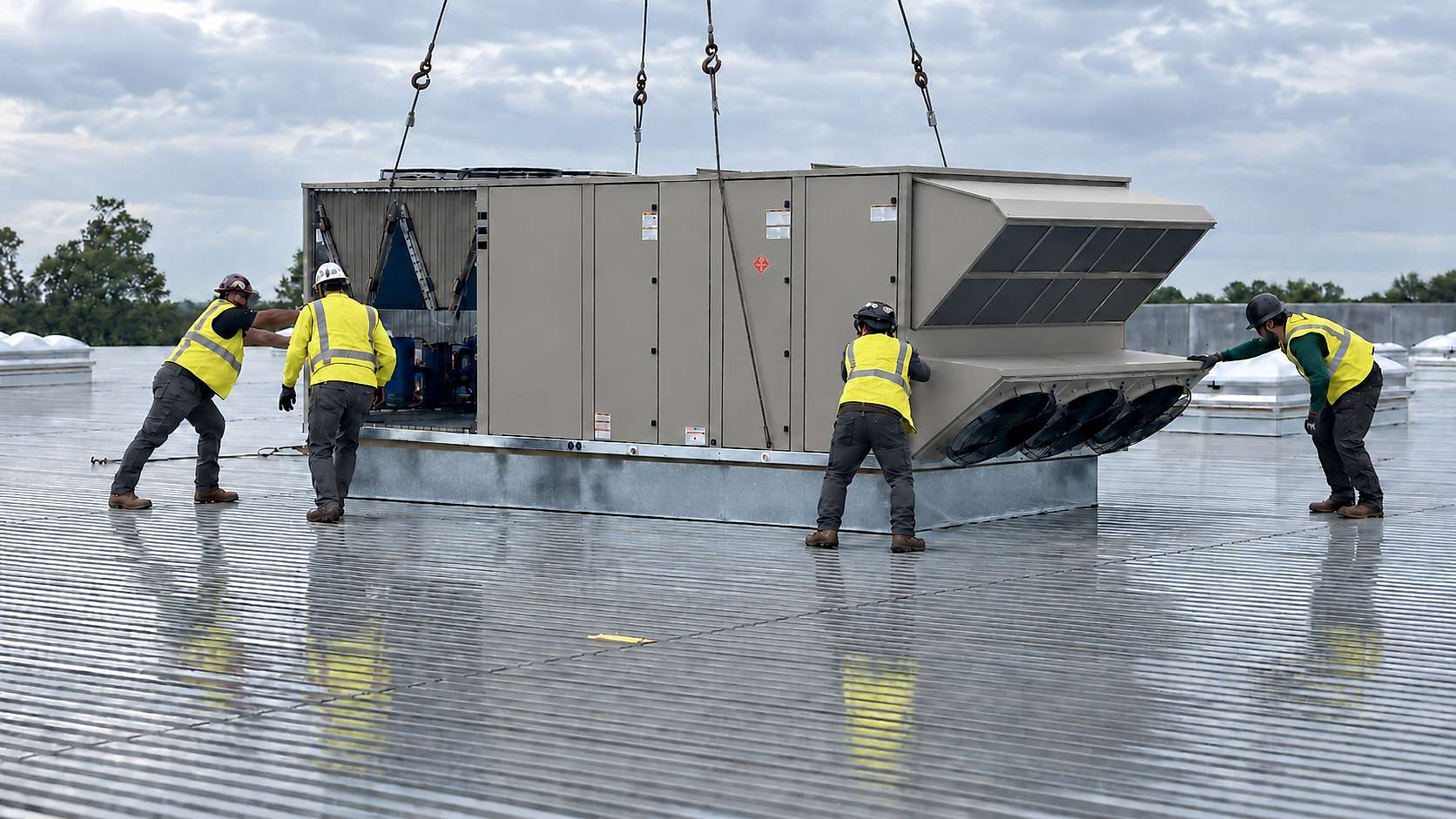

A crane inspection checklist is the record of the check made on a crane before it works a shift: ground and setup, structure, wire rope and hooks, hydraulics, and every motion and safety device under power. Operators and crane crews on mobile, crawler, tower and overhead cranes fill it in, and a supervisor signs it before lifting starts.
Who should do the pre-shift inspection of a crane
The pre-shift inspection is done by a competent person: someone trained to spot the defects on that type of crane and authorized by the company to take it out of service. On many jobs that's the operator; on others it's a lead or a dedicated inspector. OSHA's crane rules for construction and the manufacturer's manual set who qualifies and what they check, so confirm the current rule for your crane type. The form records the inspector's name and signature, plus a supervisor sign-off when repairs are made.
What the crane inspection form covers
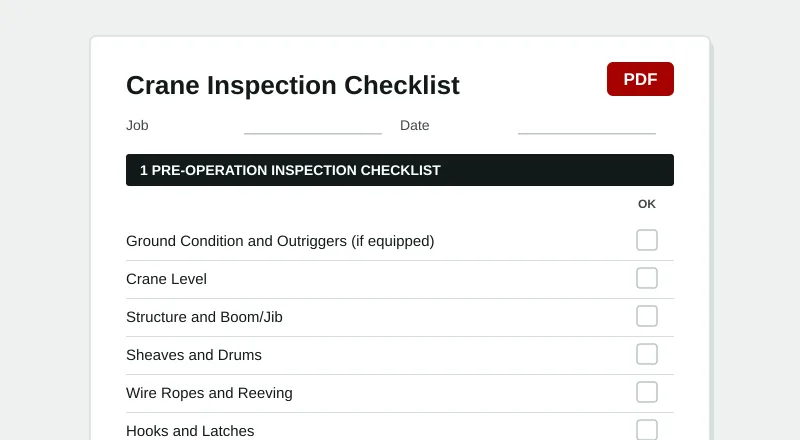
The form starts with the crane type (mobile, tower or overhead), unit number, location and shift, then moves through two checks, each line marked OK once confirmed.
| Check | Items |
|---|---|
| Before start-up | Ground and outriggers, crane level, boom, jib and structure, sheaves and drums, wire rope and reeving, hooks and latches, hydraulic lines and fluid level, air lines, electrical, tires, rails or runway, cab and windows, load chart, manual and counterweight |
| Power on | Control functions, brakes for each motion, limit switches including anti-two-block, safety devices and operational aids, horn and alarms, swing and travel area clear |
The form spells out what OK means on each line, which helps a newer operator. Wire rope, for example, has no broken strands, kinks, birdcaging or heavy corrosion, and is reeved to the manufacturer's spec. Hooks show no deformation, cracks, wear or heat damage, and the latch springs closed. Lines that don't apply, such as tires on an overhead crane, are skipped.
Daily checks vs the annual crane inspection
The template is a daily, pre-shift crane inspection form. It isn't an annual crane inspection form. Cranes also get deeper inspections at longer intervals, typically by a qualified inspector who may take parts apart, load test and issue a certificate. Those intervals and who may perform them depend on the crane type, its use and your state, so check OSHA's current rules and the manufacturer's manual.
Daily forms and annual inspections work together. Repeat notes on the daily form, like a brake that drifts or a hose that weeps, are exactly what the annual inspector should see, so keep them with the crane's file.
Defects, out of service and repair follow-up
The deficiency section records what was found and any immediate action taken, with photos. The crane is then marked Safe to Operate (all items OK or issues corrected) or Out of Service, Repair Required. Once repaired, the follow-up records the corrective action, who completed it and verification comments, with a supervisor or inspector signing off after the repair, before the inspector's final signature.
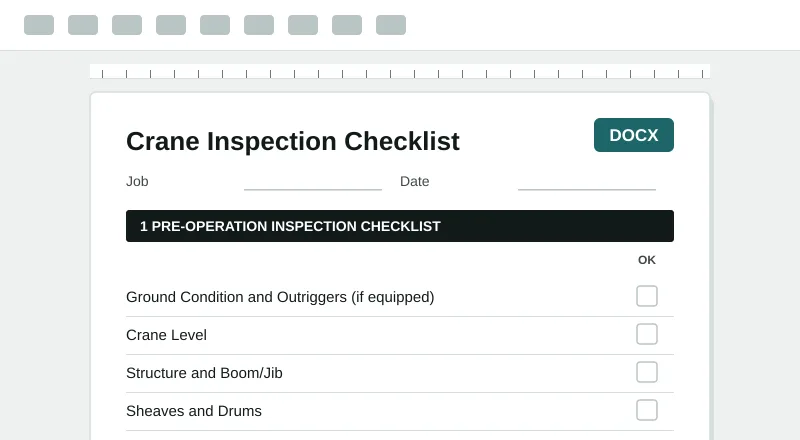
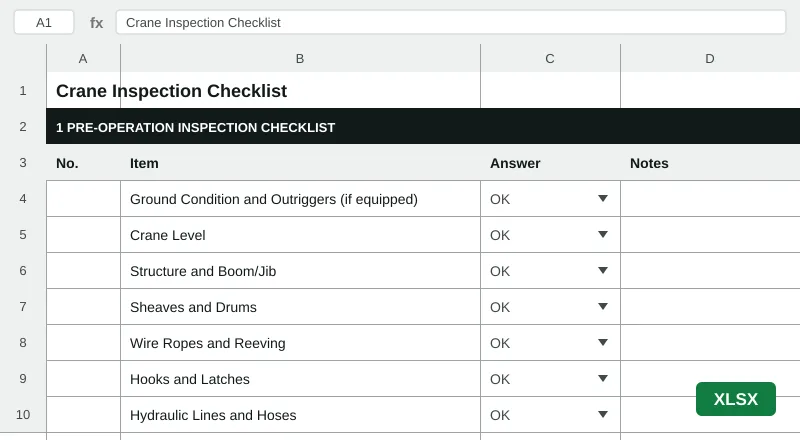
Download the crane inspection checklist free as a PDF, Word or Excel file, no sign-up needed. To run it on phones, set it up in Workyard's inspection app: the operator fills it in at clock-in, attaches photos and signs on screen, an Out of Service answer goes to the supervisor you name, and every crane inspection form is filed to the job in the office. For tracked cranes, use the crawler crane inspection checklist, and for slings and hardware, the rigging inspection checklist.


