

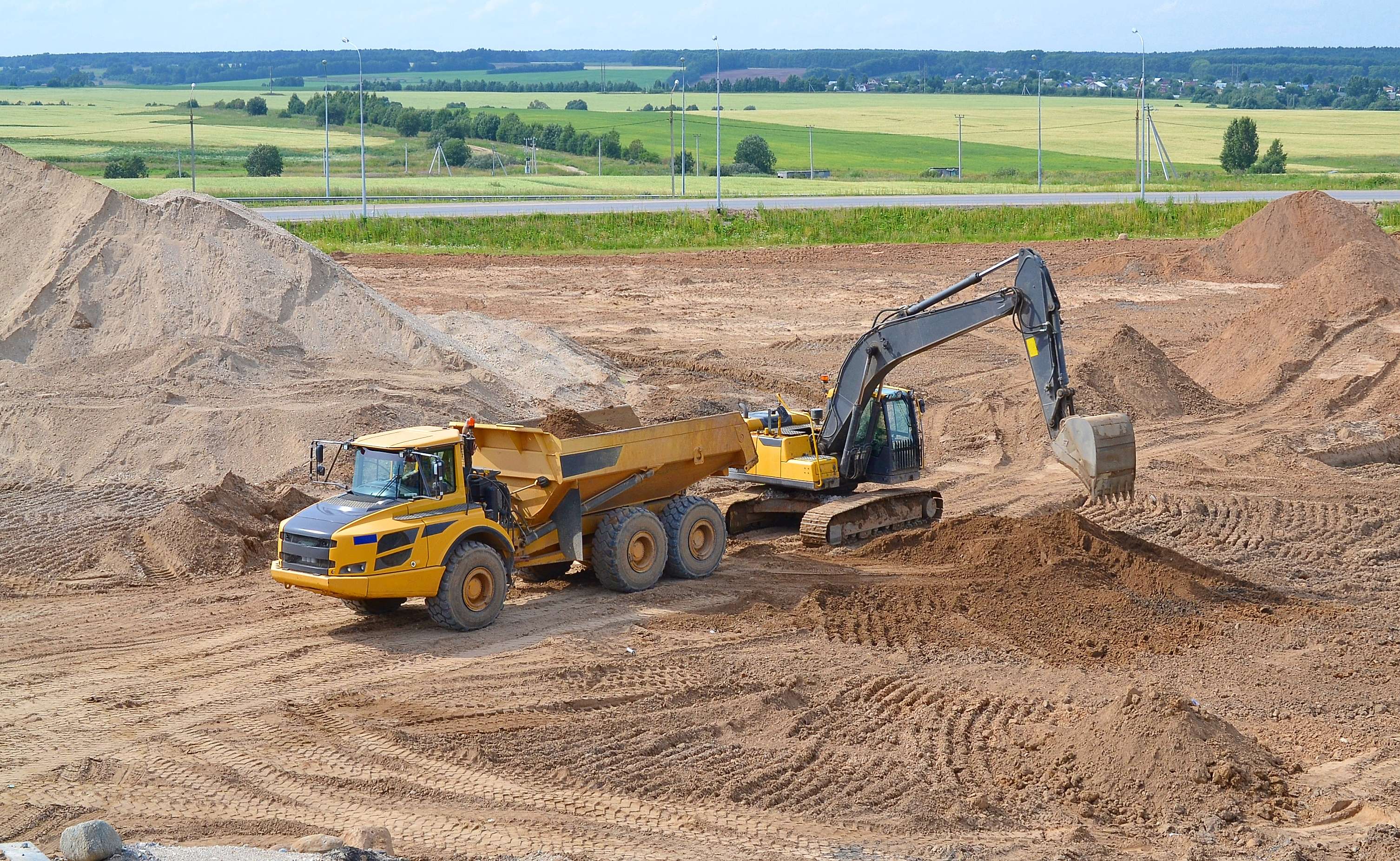

The heavy equipment operation and spotting toolbox talk is a crew briefing for operators, spotters and everyone on foot around loaders, excavators, dozers and haul trucks. Foremen and safety leads give it at the start of earthwork, paving and site jobs, and the template records the talk, the crew's answers and each attendee's signature.
What the toolbox talk covers
The talk runs through seven topics, in the order you'd present them.
- Equipment inspection and maintenance: a documented walk-around before start-up (fluids, tires or tracks, lights, alarms), backup alarms and cameras checked, lockout for machines with hydraulic or electrical problems, and start-of-shift vehicle checks (the form cites 29 CFR 1926.601(b)(14)).
- Operator qualifications: qualified by training or experience to run the machine (29 CFR 1926.20(b)(4)), a CDL for commercial vehicles on public roads, knowing load charts and stability limits, stopping work if contact with the spotter is lost.
- Spotter roles and communication: covered below.
- Safe operating practices: controlled work zones, a clear swing radius, no riders without a seat for them, distance from power lines (the form gives at least 10 feet for lines of 50 kV or less, citing 29 CFR 1926.600(a)(6)), and attachments lowered with the brake set before leaving the cab.
- Site and pedestrian control: marked equipment routes, spotters at blind corners, ramps and road crossings, and lighting for early starts.
- Emergency procedures: shut down, pull the key, call the site emergency number, keep EMS routes clear, report near misses.
- Crew discussion: questions for the crew, with a box for their answers.
Spotter duties and hand signals
A spotter has one job while spotting. The talk sets out what that means:
- No other tasks while spotting
- A high-visibility vest (the form names ANSI/ISEA 107 class 2 or 3)
- Hand signals or a radio protocol agreed in the pre-task plan, before the machine moves
- Eye contact with the operator through the mirrors or camera where possible
- Standing in clear line of sight and outside pinch and crush zones
The form doesn't print a hand signal chart, so agree your signals at the start of the job and use the same ones every day. At minimum, everyone on site should know the signal for stop. The talk's discussion prompt asks crew members to show it, which is a quick way to find out who doesn't. For cranes and other lifts, the form's references point to 29 CFR 1926.1428 for signal person qualification.
Blind spots and site traffic
Every machine has areas the operator can't see from the seat, and they're bigger than most people on foot assume. Use the talk to walk around a real machine on site and have someone stand where the operator loses sight of them. Then plan around it: separate routes for equipment and foot traffic, barricades around swing areas, a spotter wherever a truck backs up where people work. The form cites 29 CFR 1926.602(a)(9)(ii) on reverse alarms or an observer for earthmoving equipment.
Running the talk and recording it
Fill in the date, project and presenter, then have each team member enter their name. Work through the content, take notes in the notes box, ask the discussion questions and record the answers. Each attendee signs and can leave feedback. Before the next shift on the same job, do a daily check of the machines with the heavy equipment daily inspection.
Download the heavy equipment operation and spotting toolbox talk free as a PDF, Word or Excel file, no sign-up needed. To run it on crews' phones, use Workyard's toolbox talks: attendees sign on screen at clock-in, and every signed talk is filed to the job in the office. More topics are in toolbox talks.


